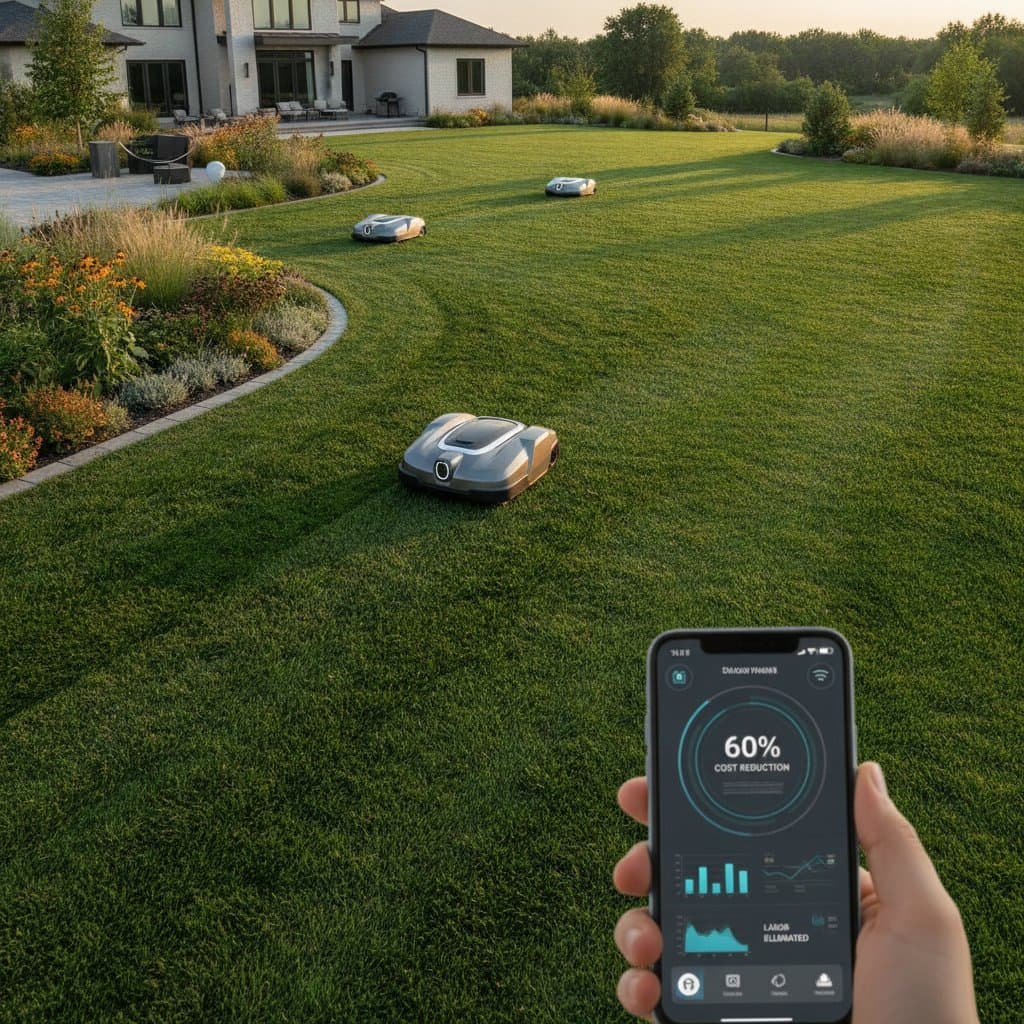
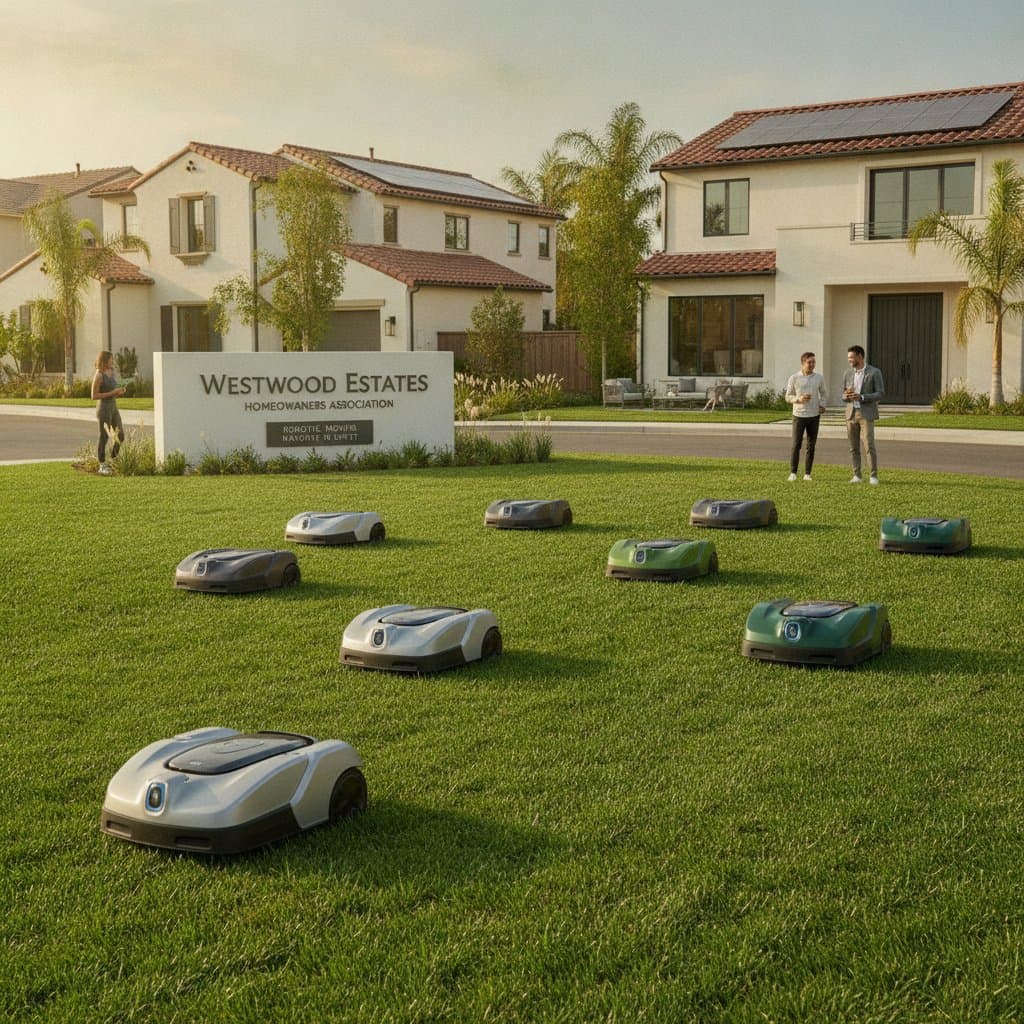
Why California HOAs Now Require Robotic Mowers
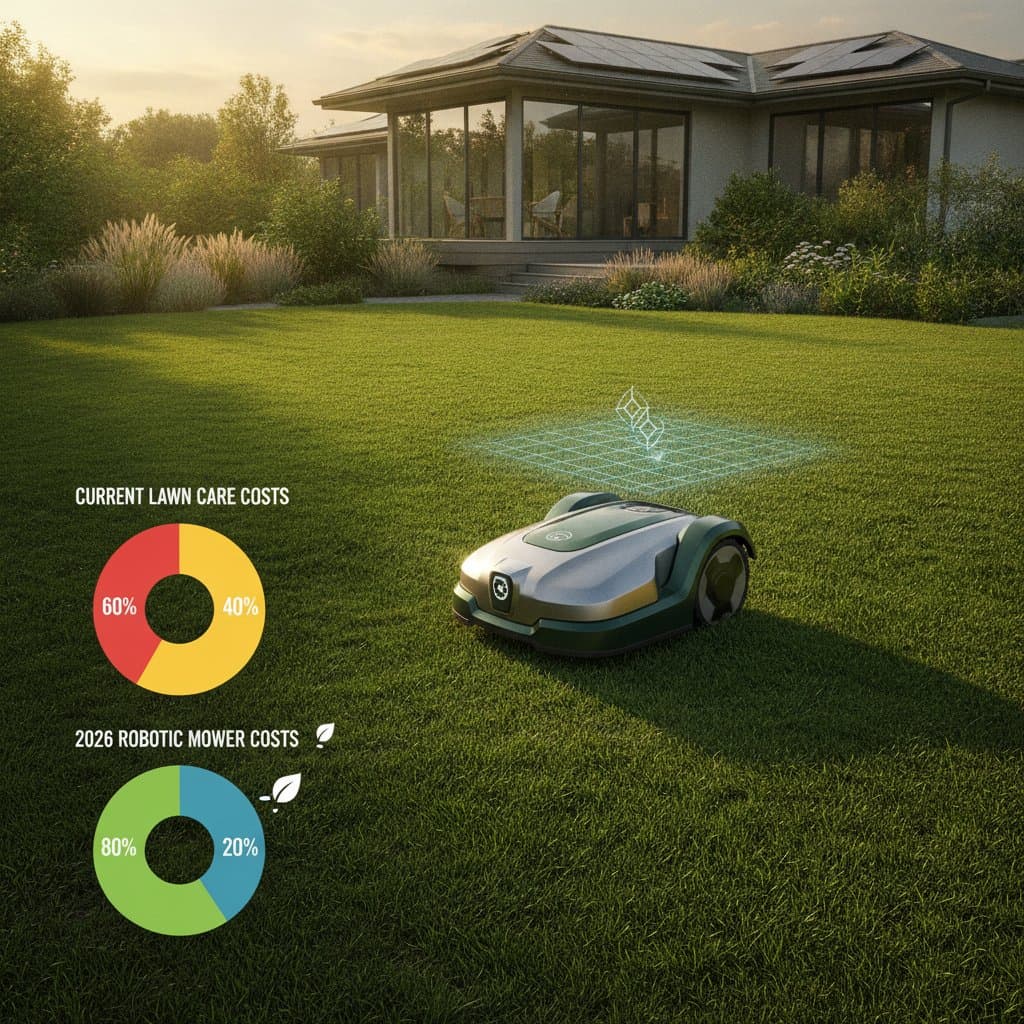
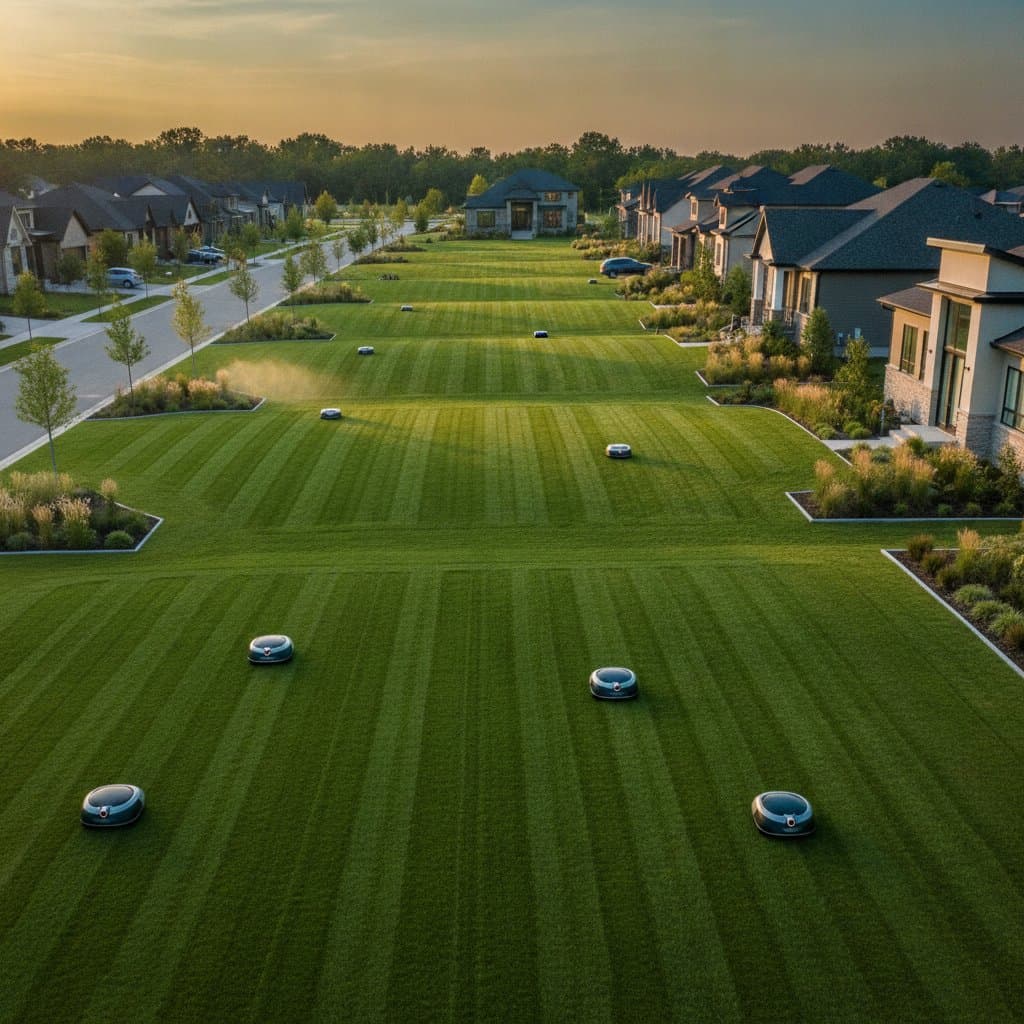
California HOAs now mandate robotic lawn mowers to achieve quieter neighborhoods, lower emissions, and uniform curb appeal. Homeowners must review specific rules, select suitable models, and adjust yard layouts to meet compliance deadlines while reducing long term maintenance demands.
Read More Post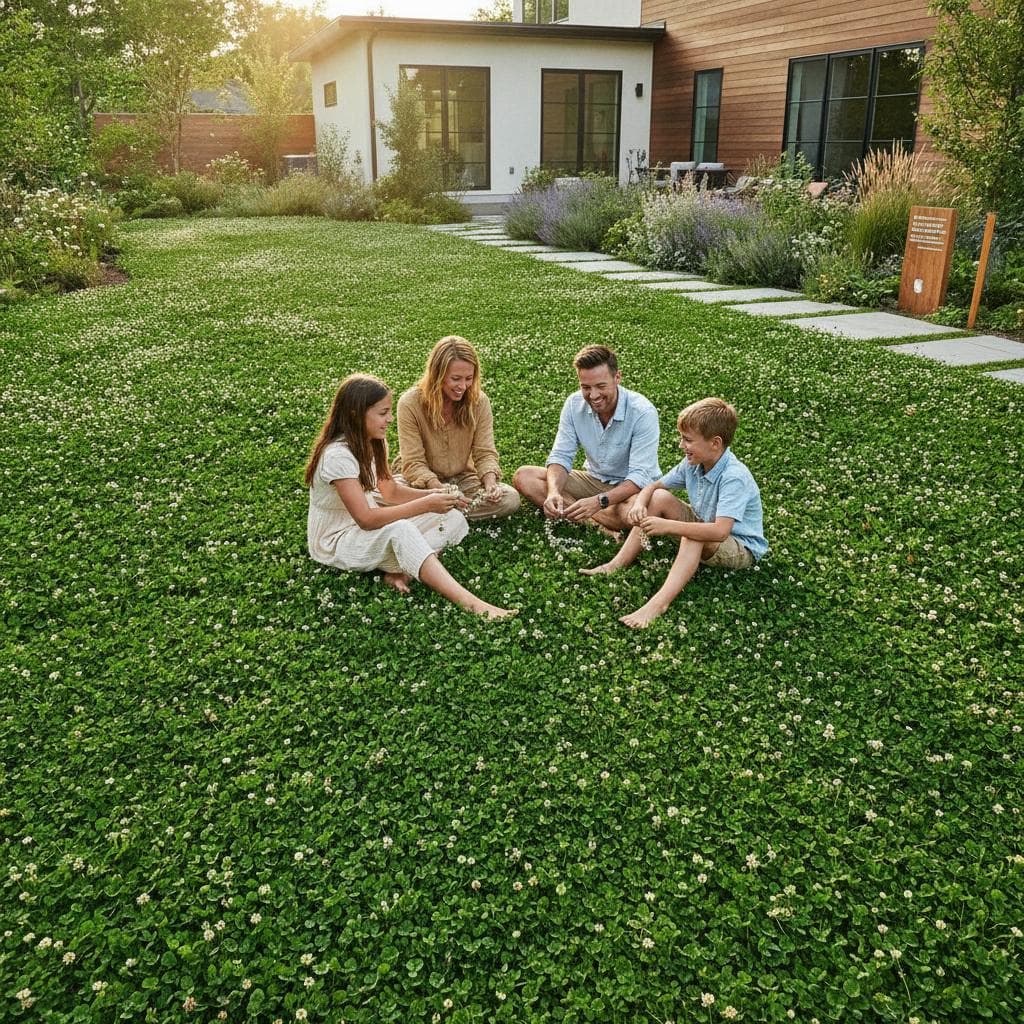
Clover Lawns Stay Green Through Drought Without Watering
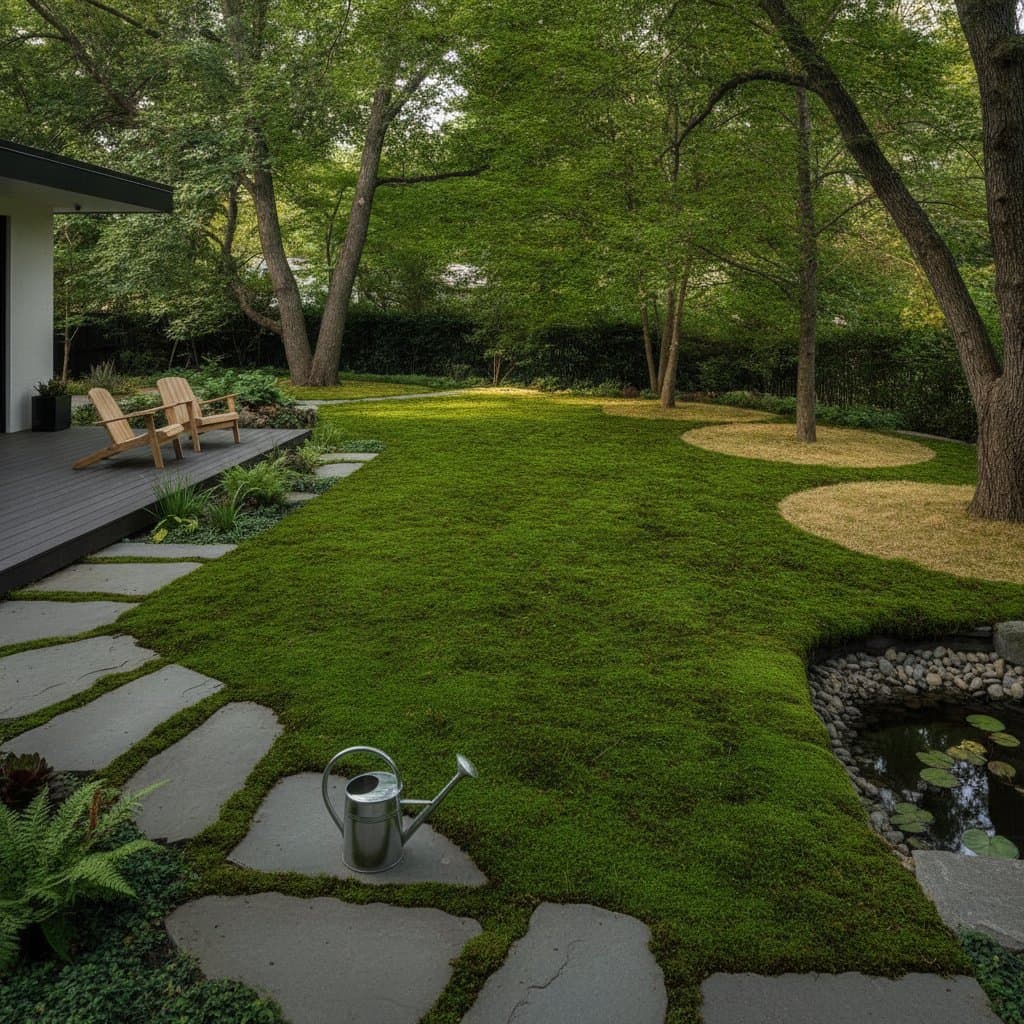
Clover lawns are redefining suburban landscapes, growing rapidly in popularity as homeowners trade high-maintenance grass for eco-friendly greenery. Resilient, drought-tolerant, and self-fertilizing, clover creates lush, low-water yards that stay vibrant year-round. Discover why designers and families alike are embracing this sustainable, soft alternative that transforms lawns into thriving, pollinator-friendly ecosystems.
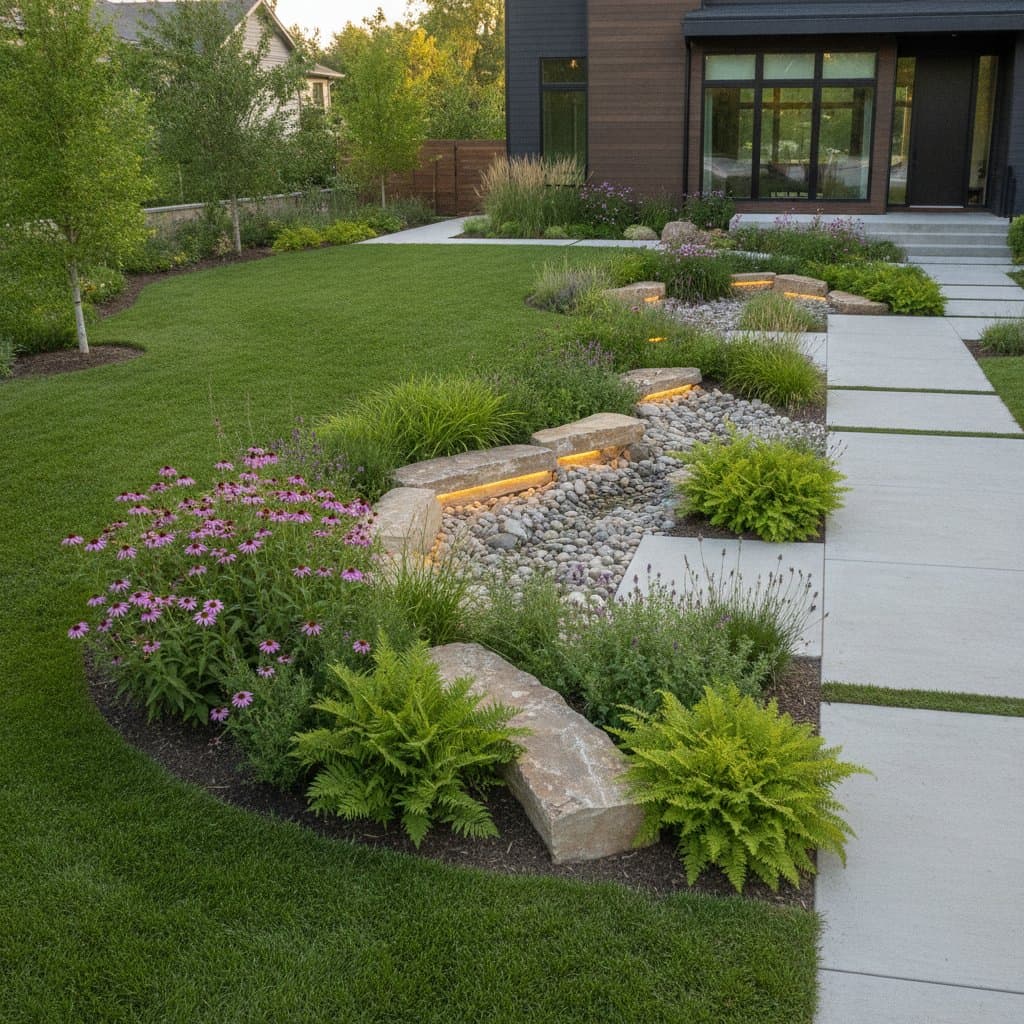
Mandated Bioswales Transform Into Beautiful Borders
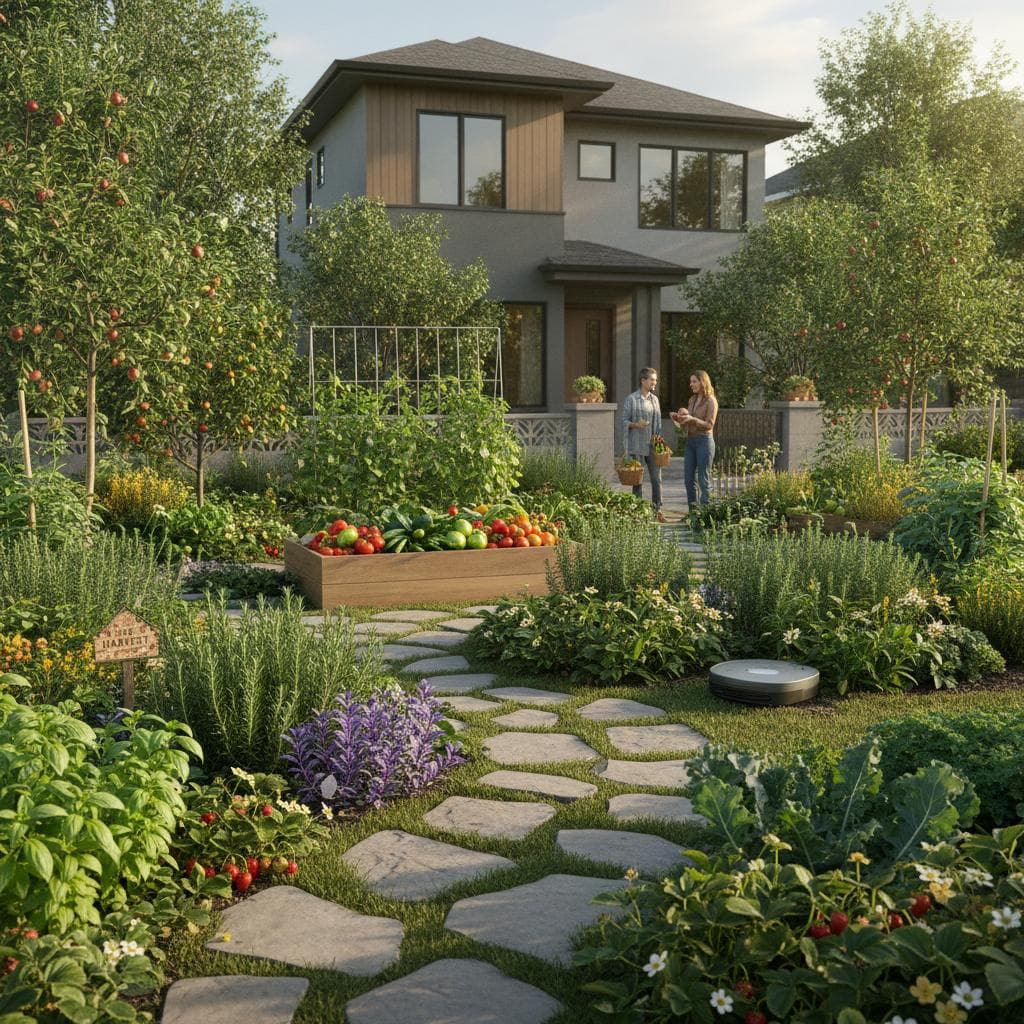
Mandated bioswales can become striking landscape features when shaped with care. Thoughtful grading, layered planting, stone accents, and subtle lighting transform utilitarian drainage into living borders that manage stormwater beautifully. Blending ecology with design, these functional gardens enhance biodiversity, define outdoor spaces, and elevate everyday landscapes into sustainable works of art.
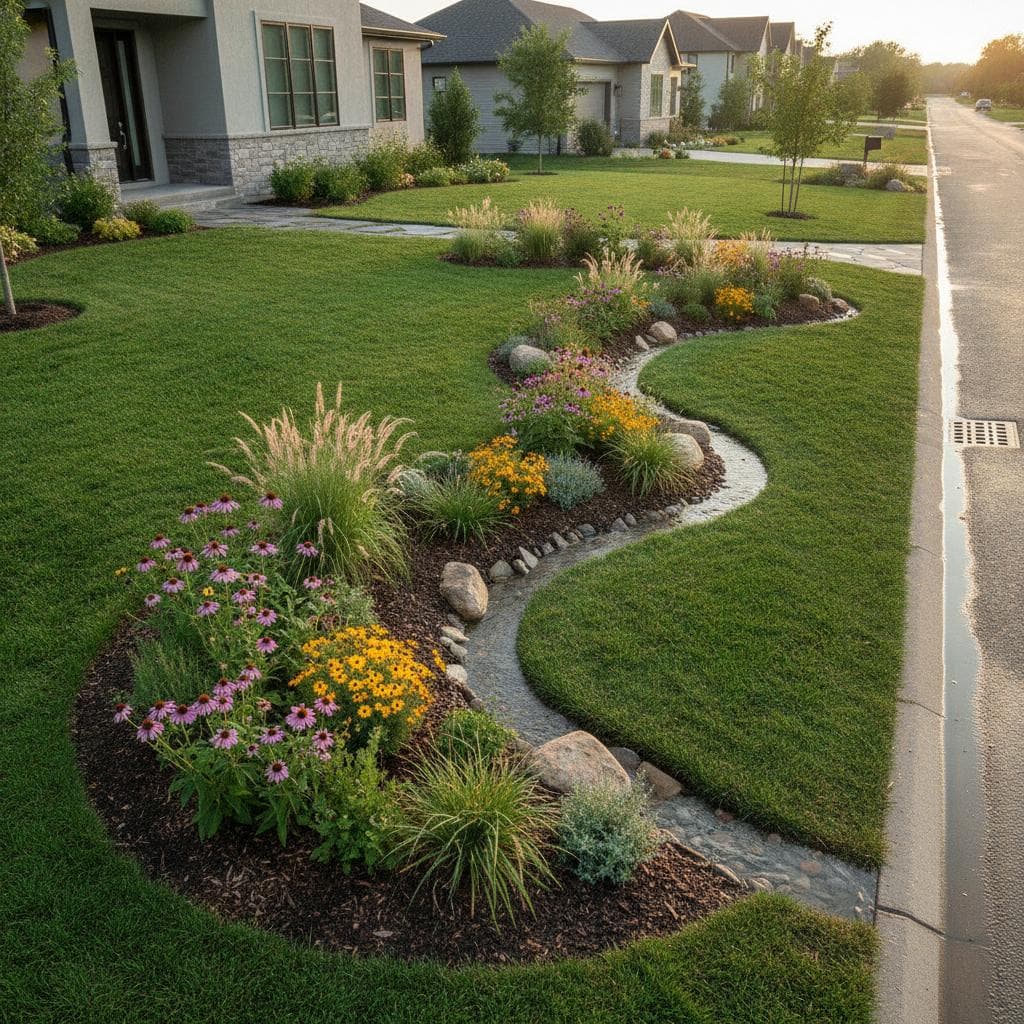
Bioswale Borders Stop Storm Water Before It Floods Yards
Transform storm-prone front yards into resilient, beautiful landscapes with bioswale borders. These planted channels naturally capture, filter, and absorb rainwater, preventing flooding and erosion while supporting native habitats. Learn how thoughtful design, smart plant choices, and minimal maintenance create a lasting, eco-friendly solution that enhances curb appeal and property value.
Latest Articles
View All Articles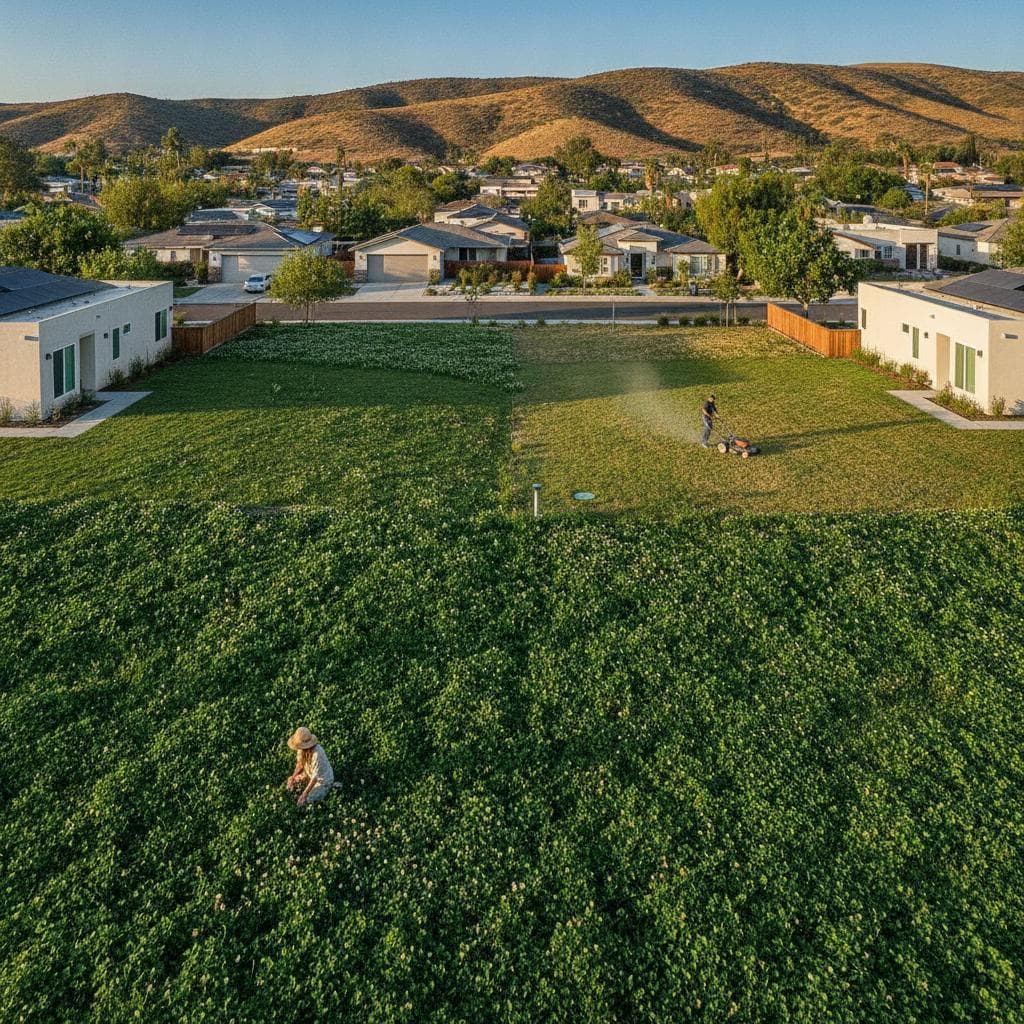

Highlights