
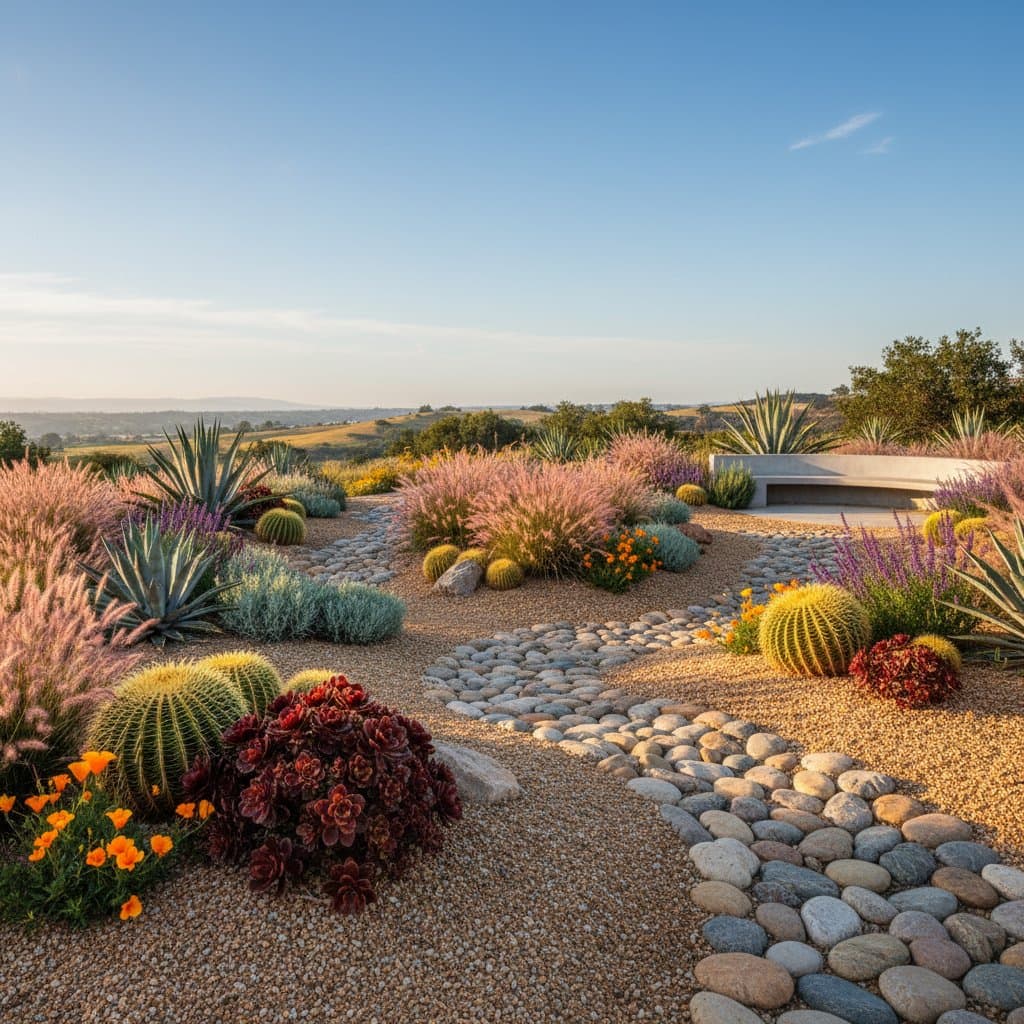
Gravel Gardens Boom: Eliminate Irrigation for Sustainable Beauty
In regions where rainfall is infrequent and water restrictions are common, Californians are redefining garden aesthetics. Gravel gardens emerge as a stylish, sustainable alternative to traditional landscapes. Homeowners replace water-intensive lawns with gravel-based designs featuring drought-tolerant plants. These gardens conserve resources, reduce maintenance, and maintain vibrant color, texture, and visual interest throughout the year.
The Rise of Gravel Gardens in California
Gravel gardens have gained popularity in dry climates, and their adoption in California stems from both environmental pressures and innovative design approaches. Many residents face challenges with irrigation systems, uneven turf, and escalating water costs. Gravel provides an elegant, environmentally integrated solution that enhances rather than detracts from property appeal.
Beyond water conservation, gravel gardens regulate soil temperatures, suppress weed growth, and promote efficient rainwater infiltration. For properties with challenging soil types, such as heavy clay or loose sand, gravel establishes a supportive base. This foundation sustains drought-resistant vegetation and ensures the landscape remains permeable and healthy.
Essential Principles for Building a Gravel Garden
Creating an effective gravel garden requires intentional layering and preparation, blending horticultural knowledge with aesthetic planning.
Soil Preparation
Begin by excavating existing turf and removing invasive roots to prevent regrowth. Clear the area of weeds and debris for a clean foundation. Lightly till the soil and incorporate compost or decomposed granite to improve stability. Prioritize drainage; if water pools after rain, add a subsurface layer of coarse sand or gravel to facilitate downward movement.
Selecting Appropriate Gravel
Gravel varieties differ in appearance, feel, and functionality. Pea gravel offers a gentle surface ideal for walkways or lounging zones. Crushed granite forms a firm base suitable for planting areas. River rock introduces smooth contours and dynamic patterns. Incorporate two or three compatible types to enhance visual depth and texture in the design.
Layering Techniques for Durability
Construct the garden in distinct layers for optimal performance. Start with compacted soil amended with organic material. Install a permeable weed barrier fabric to minimize upkeep. Top with decorative gravel to a depth of two to three inches. This setup permits root aeration while minimizing moisture loss. As plants establish, their growth integrates seamlessly with the gravel surface.
Selecting Plants for Low-Water Resilience
Gravel gardens excel in sustainability once plants root deeply, relying solely on natural precipitation in much of California. Success depends on choosing species adapted to arid conditions.
Recommended Drought-Tolerant Plants
- Lavender: Silvery leaves and aromatic flowers endure dry spells and reflect heat effectively.
- Salvia: Attracts pollinators with extended blooms and requires little intervention.
- Yarrow: Delicate foliage and floral umbels perform well in nutrient-poor soils.
- Sedum: Succulent forms retain moisture and provide reliable ground coverage.
- Rosemary: Evergreen with culinary uses, it withstands intense sun and drought.
Integrating Native and Mediterranean Species
Incorporate California natives such as Eriogonum (buckwheat) or Artemisia alongside Mediterranean options like Thyme, Santolina, and Euphorbia. This combination yields a palette of natural hues and seasonal changes. These selections favor infertile soils, eliminating the need for frequent fertilization.
Creating Visual Interest Through Form and Texture
Contrast drives the garden's allure. Balance vertical elements like ornamental grasses with sprawling succulents. Juxtapose bold agaves against rounded thyme clusters. Texture serves as the design's core structure. Year-round appeal persists through form and color variations, extending beyond peak flowering periods.
Balancing Aesthetics and Utility in Design
Gravel gardens transcend mere conservation; they invite creative expression. Tailor the layout to evoke modern elegance, rustic charm, or any preferred style through material choices and arrangements.
Defining Pathways and Gathering Spaces
Employ gravel to guide circulation within the garden. Winding paths encourage leisurely strolls, while expansive zones function as patios for relaxation or meals. Position furniture on stabilized crushed granite for durability. Integrate larger stones or pavers to secure footing and focal points.
Establishing Borders and Containment
Prevent gravel displacement with defined edges. Options include metal strips, rock borders, or clipped drought-resistant shrubs. These features impose order and unify the composition. For a fluid transition, permit select plants to cascade over boundaries, softening divisions between elements.
Harmonizing Colors and Materials
Align gravel selections with home architecture for cohesion. Earthy tones complement adobe or timber facades, while neutral grays suit sleek or seaside structures. Match gravel hues to the broader environment. Consistent coloring fosters serenity, complemented by diverse surface qualities for engagement.
Maintenance Strategies for Ongoing Vitality
Gravel gardens demand far less effort than conventional yards, though periodic attention preserves their condition.
- Weed Control: Pull emerging seedlings promptly, as barrier fabrics deter but do not eliminate all intrusions.
- Gravel Replenishment: Restore thickness every few years to account for settling and displacement.
- Plant Care: Trim selectively to promote bushiness and avoid sparse growth.
- Initial Watering: Provide regular hydration to new plantings during the first season; taper off as roots develop.
Environmental Benefits and Enduring Appeal
Gravel gardens advance responsible land stewardship by minimizing resource use and enhancing ecological harmony. They lower water and energy demands, curb erosion, and foster habitats for insects and birds. Property values benefit from their durability and low upkeep compared to high-maintenance alternatives.
These landscapes mature gracefully, gaining character as vegetation fills in. Their versatility accommodates diverse architectural contexts, from contemporary to classic. The investment yields sustained beauty and functionality aligned with California's natural rhythms.
Steps to Implement Your Gravel Garden
Converting an existing yard requires strategic foresight, but benefits materialize swiftly. Outline intended uses, such as relaxation areas or access routes. Map plant placements and gravel zones that align with your residence. Opt for varied, resilient flora to ensure ongoing vibrancy.
For smaller projects, target a single area like an entryway to test the approach. Expansion often follows as the simplicity and allure become evident. Consult professionals for soil assessment or complex installations to guarantee proper execution and avoid future adjustments.
Ultimately, a gravel garden embodies adaptive elegance, honoring local conditions while enriching daily life. It invites extended time outdoors amid the gentle sounds of nature, all sustained by inherent resilience rather than artificial inputs.