
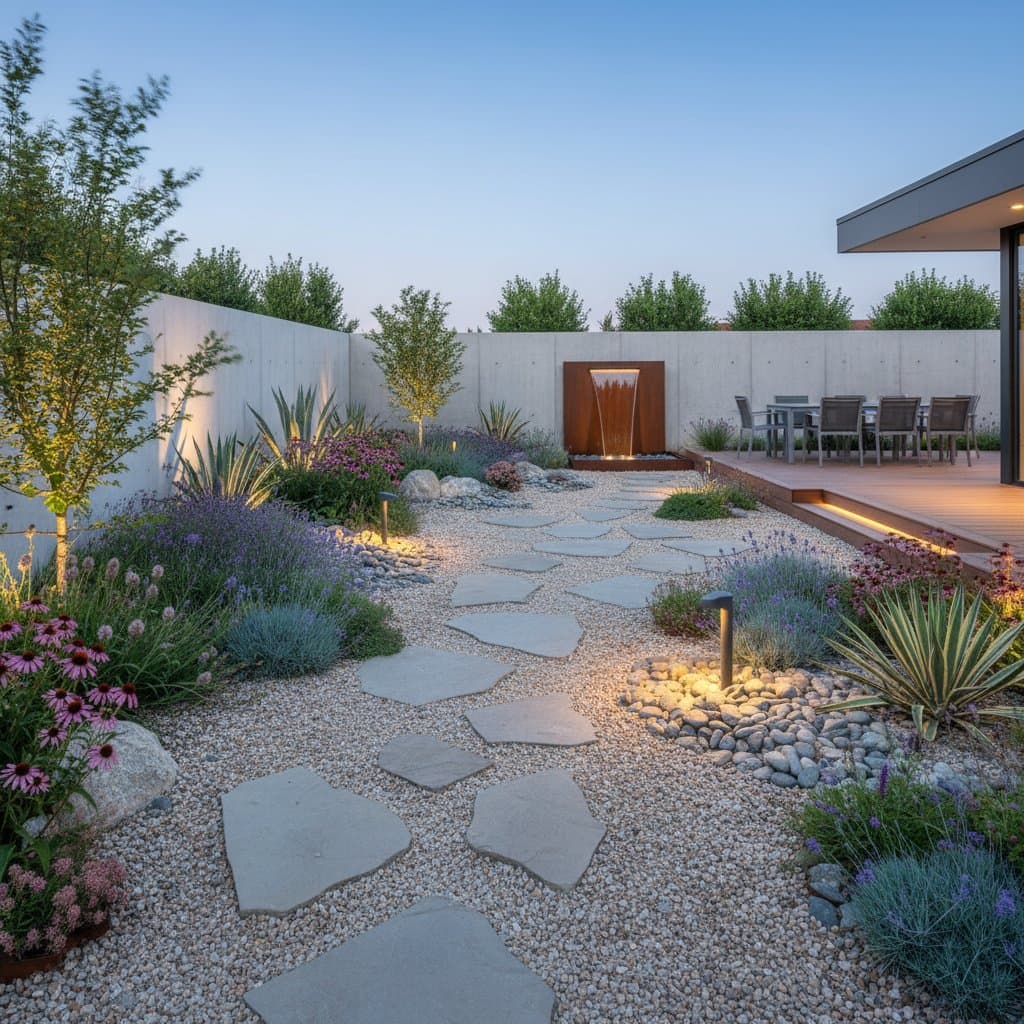
Introduction to Gravel Gardens
Homeowners increasingly turn to gravel gardens for their ability to deliver sophisticated outdoor spaces without the ongoing demands of traditional landscaping. Unlike mulch, which requires frequent replacement as it breaks down, gravel provides a stable foundation that enhances curb appeal and withstands environmental stresses. This approach aligns with modern preferences for sustainable, low-effort designs that thrive in diverse climates.
Gravel gardens conserve water by reducing evaporation and support biodiversity through permeable surfaces that allow rainwater infiltration. They offer versatility, adapting to contemporary minimalist styles or classic cottage motifs. By following structured steps, anyone can install a gravel garden that elevates property value and simplifies daily life.
1. Selecting the Ideal Gravel Type
The foundation of any successful gravel garden begins with choosing the appropriate stone material. Consider the local climate, soil conditions, and desired aesthetic when making this decision. For instance, in arid regions, opt for angular crushed stone like decomposed granite, which compacts firmly and prevents shifting underfoot.
In areas with higher rainfall, select rounded river rock for superior drainage and a softer visual appeal. Particle size matters: aim for 3/8-inch to 3/4-inch gravel for pathways, as it provides stability without excessive sharpness. Test samples in natural light to ensure the color complements your home's exterior, such as warm buff tones for earthy integration or cool grays for modern contrast.
Prepare the site by removing existing vegetation and laying landscape fabric to deter deep-rooted weeds. Add a 2- to 4-inch layer of gravel over a compacted base for longevity. This initial investment pays dividends in reduced upkeep over time.
2. Designing an Effective Layout
A well-planned layout ensures your gravel garden functions both practically and aesthetically. Start by sketching the space, incorporating curves and straight lines to guide movement and frame focal points. Define zones: allocate larger areas for open gravel expanses that invite relaxation, and reserve borders for plantings that soften edges.
Incorporate hardscape elements like boulders or low walls to add vertical interest and prevent erosion. Space pathways at least 3 feet wide for comfortable access, winding them through the design to reveal views gradually. Use graph paper or digital tools to scale the plan, accounting for a 10 percent buffer around perimeters to accommodate growth.
This methodical design process creates balance, where open gravel areas contrast with structured plant beds. The result is a cohesive yard that feels intentional and welcoming from every angle.
3. Integrating Companion Plants
Plants play a crucial role in gravel gardens, providing color, texture, and ecological benefits without overwhelming the stone base. Select species suited to your region's hardiness zone to ensure resilience. In cooler climates, incorporate evergreen shrubs such as boxwood or dwarf pine to establish year-round structure and visual stability.
In hotter regions, choose succulents like agave or drought-tolerant herbs such as rosemary, along with ornamental grasses like feather reed grass for dynamic movement and subtle height variation. Plant in clusters to create natural drifts, spacing them 18 to 24 inches apart to allow gravel to remain prominent. The objective is equilibrium, where foliage and stone contribute equally to the overall composition.
Visual callout: Low mounds of thyme cascade softly over fine gravel, forming a fragrant living carpet that enhances sensory appeal.
Water newly planted specimens deeply but infrequently to encourage root establishment in the gravel medium. Mulch lightly around bases with additional gravel to retain moisture and suppress opportunistic weeds.
4. Layering Lighting for Evening Appeal
Gravel's reflective qualities make it ideal for illuminated landscapes, transforming gardens into enchanting retreats after dark. Install low-voltage path lights along walkways to ensure safe navigation, positioning them 2 to 3 feet apart for even coverage. Recessed uplights accentuate plant forms, while string lights draped over arbors add a whimsical touch.
Pale stones amplify light diffusion, creating a gentle glow that avoids stark shadows. Direct beams horizontally across surfaces rather than vertically to maximize scattered reflections and build depth.
"Layered lighting extends outdoor evenings without introducing harsh glare," noted a lighting designer.
Pair warm white bulbs in lounging zones for coziness and cooler tones along paths for clarity. This combination maintains functionality while fostering an inviting atmosphere as dusk falls.
Visual callout: Gentle uplighting skims a gravel path, illuminating silver-foliaged plants and casting elegant sculptural shadows.
5. Varying Stone Sizes for Added Dimension
Monotonous gravel appears bland, but combining sizes introduces organic rhythm and enhances visual interest. Employ larger stones, such as 1- to 2-inch cobbles, along borders to define edges and provide weight. Medium gravel, around 1/2-inch, forms the primary coverage for broad areas, offering a walkable texture.
Finer particles, like pea gravel, suit planting pockets or accents where a polished look is desired. Layer from coarse at the bottom to fine on top, promoting efficient water flow and surface integrity.
A garden designer observed, "Varying stone scales imparts rhythm to the space, rendering it intentional yet effortlessly natural."
Select shades from the same palette for unity, such as blending light limestone fragments with muted gray river stones. From afar, this mix reads as harmonious, while close inspection reveals intricate details that enrich the design.
6. Streamlining Maintenance Routines
Gravel gardens excel in simplicity, demanding far less intervention than mulch-based alternatives. Rake surfaces periodically to redistribute material and eliminate debris, a task that takes mere minutes. Weeds emerge infrequently, and their shallow roots pull out effortlessly from the inhospitable stone layer.
Replenish gravel every three to five years in high-traffic spots to preserve uniformity and depth. Avoid power tools like leaf blowers, which displace stones; instead, employ a stiff broom or landscape rake for precise control.
"Gravel gardens reward steady, minimal attention rather than intensive labor," remarked a maintenance specialist. "Seasonal check-ins suffice to keep appearances pristine."
This low-demand regimen contrasts sharply with mulch's tendency to decompose, fade, and invite pests, allowing more time for enjoyment than toil.
Realizing Lasting Benefits in Your Landscape
A gravel garden endures as a timeless element, bridging home architecture with nature through tactile textures, subtle hues, and the gentle crunch underfoot. It withstands seasonal shifts, maintaining vibrancy without seasonal overhauls.
As demand grows for resilient, year-round exteriors, gravel gardens deliver proven advantages in durability, ease, and adaptability. They suit urban plots or expansive properties alike, fostering outdoor living that feels both luxurious and attainable. Invest in this design, and experience a yard that evolves gracefully with minimal input.