
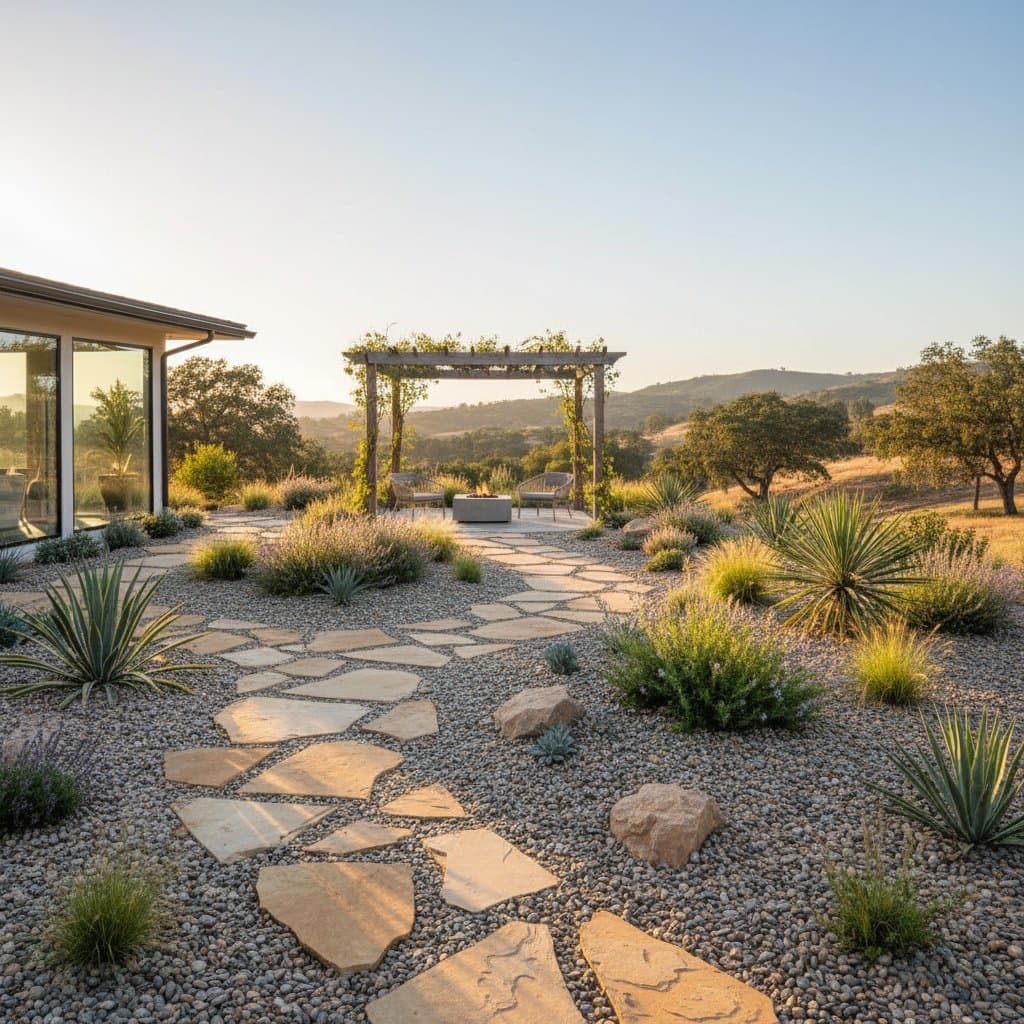
Why Mulch Gives Way to Gravel Gardens in California for 2026
California gardeners excel at combining aesthetics with functionality. As weather patterns shift and water resources dwindle, homeowners reassess sustainable, low-effort garden designs. A prominent evolution involves replacing conventional bark mulch with decorative gravel gardens. This shift represents a strategic adaptation to enduring environmental and stylistic demands. Gravel gardens deliver texture, resilience, and drought-resistant planting options that align seamlessly with contemporary outdoor environments.
Challenges of Mulch in Evolving Weather Conditions
Mulch has long served as a staple for cooling soil, inhibiting weeds, and providing a neat appearance to garden beds. It performs effectively in temperate, humid areas where organic materials degrade gradually and nourish the earth. However, in many parts of California, mulch faces difficulties amid extended dry periods and temperature swings.
Organic mulch breaks down rapidly in arid heat, requiring frequent replacement that increases expenses and effort. Decomposition leads to inconsistent coverage, resulting in exposed soil that attracts weeds and insects. In areas prone to wind or slopes, mulch displaces easily, scattering pieces onto patios or driveways.
Water retention poses another concern. Although mulch conserves moisture in cooler climates, it can retain excess heat in dry zones, overheating surface soil instead of shielding it. This effect eventually harms plants with shallow roots and alters the habitat for soil microbes.
In essence, mulch suits specific contexts, yet it aligns poorly with the drier, unpredictable conditions prevalent today. Such limitations pave the way for an innovative alternative: the gravel garden.
Key Attractions of Gravel Gardens
Gravel gardens enjoy renewed popularity due to their emphasis on enduring materials and water-conscious layouts. A thoughtfully designed gravel garden employs stone for both ornamental and practical purposes. It curbs weeds, preserves water, and establishes a firm foundation for drought-tolerant plants like succulents, lavender, ornamental grasses, and native perennials.
Gravel gardens offer several compelling benefits:
- Durability - Gravel resists breakdown, discoloration, or seasonal renewal. It remains intact for years with basic care.
- Water Conservation - The permeable surface directs rainfall and irrigation to roots efficiently, minimizing evaporation loss.
- Thermal Regulation - Gravel disperses heat rather than absorbing it, maintaining steady soil temperatures and easing plant strain.
- Versatile Aesthetics - Available in diverse sizes, forms, and hues, gravel adapts to modern, Mediterranean, or arid themes.
- Effective Weed Suppression - Paired with suitable underlayment or a firm base, gravel creates a robust deterrent to weed growth.
These attributes suit homeowners seeking polished, organic-looking spaces that demand little ongoing attention.
Steps to Construct a Durable Gravel Garden
Developing a gravel garden demands more than scattering stones amid vegetation. Success hinges on meticulous planning, groundwork, and a defined purpose for long-term utility.
-
Prepare the Soil Base
Optimal drainage forms the cornerstone of a thriving gravel garden. Loosen current soil to enhance water flow. In dense or clay-rich soils, incorporate coarse sand or crushed stone to facilitate drainage through the root layer. -
Outline the Design
Employ edging like steel, concrete, or natural rock to delineate boundaries. This containment stops gravel from encroaching on paths or turf and imparts a professional finish. -
Apply Weed Prevention Layer
Install permeable landscape fabric to block weeds while permitting water and air passage. Steer clear of impermeable plastics, which hinder soil respiration and retain unwanted dampness. -
Select Appropriate Gravel Types
For planted zones, choose stones measuring one-quarter to one-half inch across. Angular varieties interlock better than smooth ones, improving stability for foot traffic and reducing displacement. In pathways or lounging areas, blend sizes or shades for visual depth. -
Incorporate Suitable Plant Varieties
Gravel complements water-thrifty flora. Native California options such as sage, penstemon, yarrow, and manzanita flourish in drained conditions. Mediterranean selections like rosemary and thyme provide aroma and form. Succulents including agave and echeveria offer bold shapes with minimal hydration needs. -
Implement Efficient Irrigation
New gravel gardens require initial watering for root development. Drip systems or targeted applications deliver hydration precisely. After establishment, scatter fine gravel or decomposed granite near plant bases to lock in moisture and limit weeds.
Integrating Aesthetics and Environmental Benefits
Superior gravel gardens transcend water savings; they foster serene, tactile, and perpetual settings. A refined gravel expanse bridges patios and beds, unifying the yard with cohesive movement.
Professionals leverage gravel as a subtle backdrop to accentuate flora, ceramics, and structural elements. Light gray pebbles amplify leaf greens, whereas earthy tan or gold tones harmonize with adobe surfaces and clay vessels. For sleek styles, dark crushed lava or basalt gravel offsets sparse greenery effectively.
Ecologically, gravel gardens promote vitality. They diminish reliance on synthetic fertilizers or herbicides and avoid emissions from transporting fresh mulch. Enhanced drainage mitigates root diseases common in saturated soils.
To expand on sustainability, consider how gravel supports pollinators. Pair it with nectar-rich natives to attract bees and butterflies, boosting local biodiversity without extra resources.
Pitfalls to Sidestep in Gravel Garden Design
Gravel gardens prove resilient, yet improper execution can compromise results. Address these frequent errors for optimal outcomes:
- Overlooking Soil Enhancement: Inadequate drainage sabotages designs. Conduct percolation tests prior to gravel application.
- Mismatched Gravel Dimensions: Oversized stones complicate planting; overly fine particles may pack down and impede aeration.
- Omitting Boundaries: Uncontained gravel spreads undesirably, yielding disorder.
- Excessive Plant Density: Ample spacing permits natural expansion and establishes visual harmony.
- Disregarding Upkeep: Periodic sweeping clears debris; periodic additions preserve evenness.
Avoid these to ensure the garden endures aesthetically and functionally.
Long-Term Economic and Practical Gains
Gravel gardens yield significant returns over time. Upfront expenses might exceed basic mulching, but cumulative savings prove considerable. Reduced outlays for refills, watering, and controls accumulate quickly. Gravel also safeguards soil integrity, curbing erosion and settling.
Lifestyle enhancements stand out equally. These gardens facilitate relaxation and gatherings sans intensive labor. The subtle crunch underfoot engages senses, forging a deeper bond with nature.
For professionals or property managers, the appeal intensifies. Consistent elegance persists across seasons, demanding scant oversight.
Sustaining Your Gravel Garden Over Time
An established gravel garden blends effortlessly into daily routines. Rain revives stone hues, while plants prosper independently, cultivating a subtle persona.
Adopt these practices for peak condition:
- Gently rake to even surfaces.
- Clear organic litter to thwart seeds.
- Replenish sparse areas with compatible gravel periodically.
- Prune judiciously to foster vitality.
As years pass, introduce elements like boulders, pots, or seats to refresh dynamics. Gravel gardens adapt readily, rewarding incremental enhancements.
Embracing Gravel for Resilient Landscapes
Adopting gravel over mulch marks a commitment to adaptive, eco-conscious gardening. This choice builds enduring beauty that withstands California's challenges while enriching living spaces.