
Why Gravel Surpasses Concrete for 2026 Budget Patios
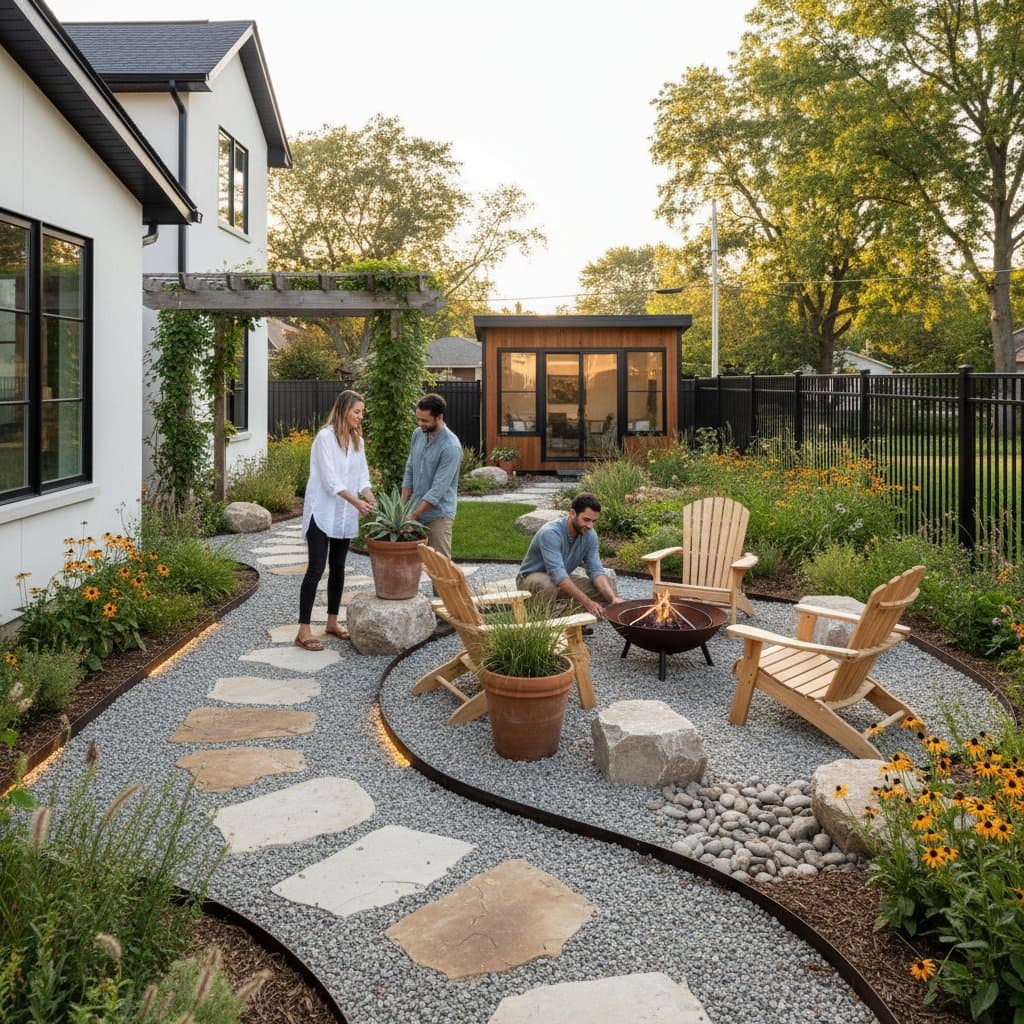
Erin and Mateo acquired their compact brick bungalow with visions of an inviting backyard. They sought a low-effort, cost-effective outdoor area that blended seamlessly with their lifestyle. Although a concrete slab seemed straightforward at first, a review of expenses and versatility led them to compacted gravel. This choice delivered a rugged yet refined surface that integrates naturally, manages water effectively, and demands a fraction of the investment.
Their endeavor now inspires others pursuing quality on a limited budget. Gravel patios gain prominence by showing how economical selections can craft durable, appealing extensions of the home.
Practical Benefits of a Gravel Foundation
Gravel patios attract attention through their blend of economy and distinctive appeal. The material provides a laid-back yet purposeful look, and setup involves minimal tools. Many homeowners manage portions of the installation independently, which cuts down on professional fees. Additionally, gravel conforms readily to diverse terrain, ideal for sloped or irregular lots that would require costly adjustments for concrete.
Adaptability proved essential for Erin and Mateo. Their property features a gentle decline toward the boundary, prompting avoidance of intensive earthwork. The gravel option enabled the designers to shape the area gently, aligning with the terrain rather than resisting it. The outcome appears integrated and organic, as though part of the original landscape.
Reasons Homeowners Prefer Gravel to Concrete
The rise of gravel patios arises from advantages in expense, adaptability, and ecological considerations. Concrete suits demanding applications like driveways, yet for residential yards, gravel delivers comparable performance at reduced cost.
Key Benefits of Gravel Patios
-
Reduced Material and Installation Expenses
Gravel demands far less than poured concrete in terms of price. Projects skip complex molds, steel reinforcements, and smoothing equipment. Completion occurs more swiftly, minimizing time-based charges. -
Water-Permeable Design
Precipitation filters through gravel rather than collecting or flowing away abruptly. Such permeability mitigates flooding risks and stabilizes surrounding soil. -
Minimal Ecological Footprint
Gravel production consumes less energy compared to cement creation. The surface also resists the thermal retention common in concrete installations. -
Versatile Layout Options
Gravel accommodates non-standard forms, confined alleys, or winding perimeters. Future enlargements happen without disruption. -
Straightforward Fixes and Modifications
Settling spots receive quick attention through raking and replenishing. Unlike concrete, gravel avoids fissures or lasting flaws. -
Organic Visual Harmony
Its granular quality enhances pairings with foliage, timber, and rock elements. Gravel suits contemporary or classic architectures without imposition.
Ensuring Comfort and Upkeep
Many question if gravel provides a stable or comfortable walking surface. Proper compaction of finer aggregates yields a firm foundation that supports weight evenly. Furniture remains steady, and displacement of particles stays minimal. Erin and Mateo incorporated weather-resistant mats under their lounging zones, which secure the gravel and introduce varied patterns.
Upkeep remains light. Periodic raking restores evenness. Debris such as fallen leaves clears easily with a gentle blower. Any low spots refill promptly with additional material.
Intrusive plants seldom emerge thanks to the underlying geotextile layer, although occasional sprouts appear at borders during growth periods. "We remove them following showers when the soil softens," Erin noted. "The task requires only moments."
Curating Style and Functional Elements
The subdued grain of gravel serves as an adaptable canvas for diverse aesthetics. Erin and Mateo selected teak pieces accented with woven cords, evoking a serene seaside ambiance. They incorporated patterned cushions and positioned a stone-resembling fire feature centrally.
Overhead, festoon bulbs trace the fence perimeter, complemented by ground-level solar fixtures guiding access from the dwelling. Border plantings of lavender, ornamental grasses, and low-growing herbs ease the shift to adjacent turf.
Selected Materials Overview:
- Surface: Crushed granite in a warm neutral shade
- Borders: Three-inch metal edging with a dark coating
- Seating: Teak frames with fiber accents in earthy tones
- Illumination: Sun-powered lights in subdued housings
- Greenery: Lavender clusters, feathery grasses, and mat-forming herbs
These components foster a unified, earthy vibe. The arrangement conveys purpose without excess.
Experiencing the Space Over Time
Several months post-installation, Erin and Mateo frequent the patio regularly. The gravel maintains a temperate feel during heated days. Storms pass, and usability resumes promptly as moisture dissipates.
Seasonal changes enrich the area. Spring brings floral displays from edge plantings. Fall rains enhance the stone's subtle hues. The subtle crunch underfoot introduces an unanticipated tactile element.
For decision-makers, gravel provides latitude. Start with a basic gathering spot, then scale up to comprehensive leisure zones. It accommodates self-directed efforts or expert oversight alike.
Opting for gravel extends beyond fiscal prudence. It builds an environment attuned to its surroundings, responsive to needs, and true to its essence.