
Automated Lawn Zones Reduce Maintenance Time by 60 Percent
Jamie and Kira purchased a suburban property with a expansive green area surrounding the house. They appreciated the wide lawn but grew weary of dedicating weekends to mowing uneven terrain. Their objective remained straightforward: preserve the vibrant appearance of a healthy lawn while minimizing ongoing efforts. In collaboration with landscape designer Leo Tran of SmartScape Systems, they implemented a comprehensive automated lawn zone system incorporating robotic mowers and intelligent irrigation. This setup now reduces their maintenance time by more than half, allowing focus on enjoyment rather than labor.
Project Overview
- Homeowners: Jamie and Kira, parents to two children
- Setting: A leafy residential neighborhood
- Property Size: 0.6-acre lot
- Designer: Leo Tran, SmartScape Systems
- Installer: GreenGrid Landscaping
- Core Components: Zoned robotic mowing, automated irrigation, soil moisture sensors, centralized mobile app
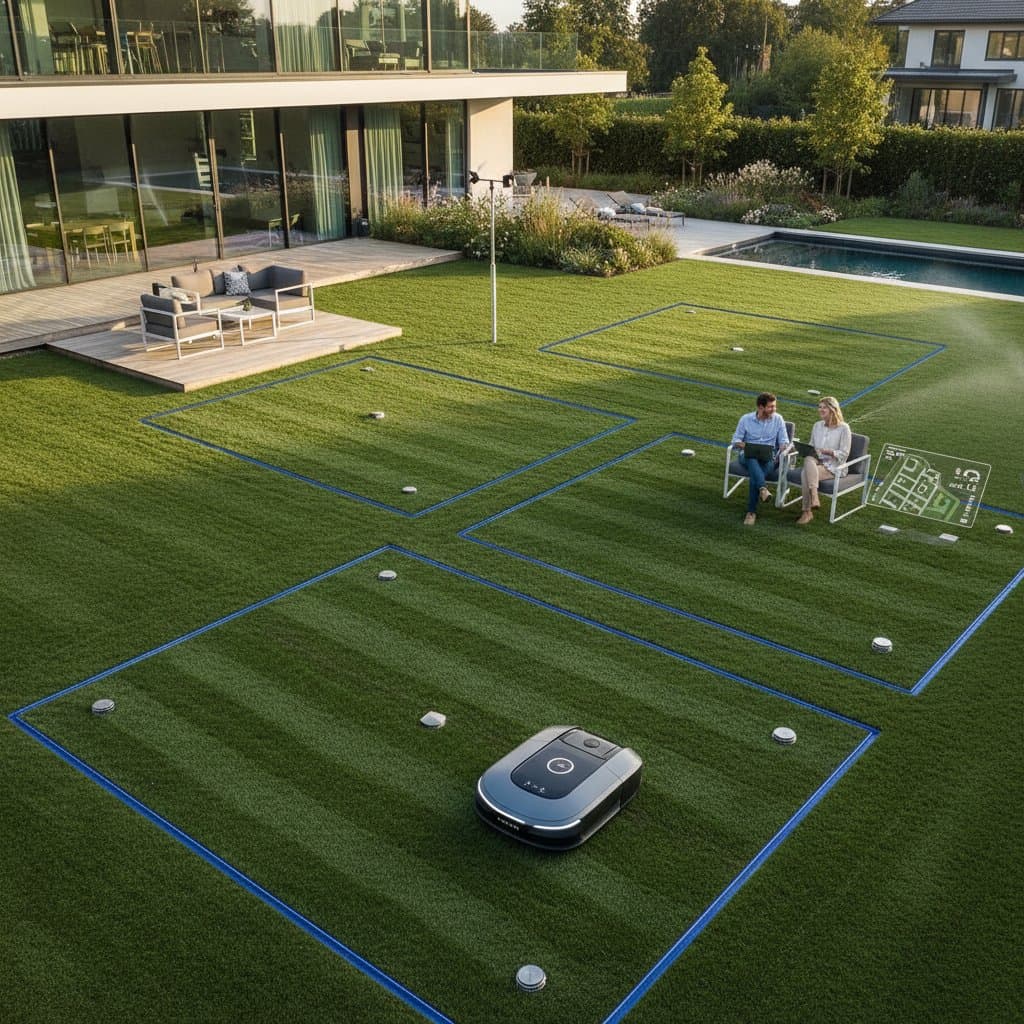
The system divides the lawn into five distinct zones based on factors such as sunlight exposure, soil type, and usage patterns. Each zone operates independently yet integrates seamlessly through a central hub. This zoning approach prevents over- or under-care in any single area, promoting uniform growth and health.
Integrating Mowing and Irrigation for Precision
The core innovation centers on the synchronization of robotic mowers with irrigation controls. SmartScape's hub connects the mowers to an array of soil moisture sensors embedded throughout the zones. Upon detecting insufficient moisture in a specific area, the system activates targeted watering without affecting neighboring sections.
Irrigation employs Rain Bird drip lines for landscaped beds and Hunter pop-up rotors for turf areas. Weather data from integrated stations triggers adjustments, such as pausing cycles during rain forecasts to conserve water. Jamie noted, "We sought precision alongside convenience. The lawn achieves greater consistency now, and water usage has decreased noticeably."
To implement similar precision, homeowners can start by mapping their yard into zones using simple tools like string lines or apps with GPS functionality. Install sensors at representative points within each zone, ensuring they measure depth-appropriate soil levels. Connect all elements to a compatible controller that processes data in real time.
Managing the System Daily
A unified mobile application oversees both mowing and irrigation functions. Kira reviews the app each morning to monitor mowing logs, battery status, and zone conditions. Jamie activates pause features for specific zones during family activities, such as outdoor play.
The app also delivers alerts for routine tasks, including blade sharpening and filter inspections. Leo Tran described the process: "The system adapts by analyzing environmental data. Mowers gradually refine cut heights and schedules according to observed grass growth rates." Initial setup requires one to two weeks of monitoring and tweaks, after which the automation handles adjustments autonomously.
For optimal daily management, establish a routine: Dedicate five minutes each morning to app checks. Set boundaries with perimeter wires or virtual mapping to guide mowers safely. Test irrigation zones seasonally by running manual cycles to verify coverage and flow rates.
Benefits for Sustainability and Lifestyle
Electric-powered mowers operate quietly, eliminating noise pollution and fuel costs. The zoned approach optimizes resource use, reducing water consumption by up to 30 percent compared to traditional methods. Soil sensors ensure nutrients reach roots efficiently, fostering deeper root systems and drought resistance.
Beyond efficiency, the system enhances biodiversity. By maintaining precise moisture levels, it supports beneficial insects and reduces chemical needs. Homeowners report healthier soil microbiomes, leading to lusher grass without fertilizers.
Ongoing Maintenance and Long-Term Performance
Several months post-installation, the system runs reliably with minimal intervention. Grass maintains even heights, and edges appear professionally manicured. Jamie and Kira redirect saved time toward planting native flowers, relaxing with books, or entertaining guests.
Essential upkeep includes removing leaves or sticks from mower routes weekly, replacing blades every three months, and inspecting irrigation filters biannually. The app records all activities, enabling performance analysis and predictive maintenance.
To sustain long-term success, conduct annual system audits: Verify sensor accuracy with manual soil tests, update app firmware for new features, and recalibrate zones after landscaping changes. This proactive care ensures the setup evolves with the yard.
Achieving Balance Through Smart Design
This installation illustrates automation's potential to elevate yard aesthetics and daily life. Zoned responses to sunlight, soil variations, and household rhythms create a self-regulating lawn requiring little oversight. Jamie and Kira enjoy a thriving outdoor space that aligns effort with outcomes, confirming that intelligent systems blend efficiency, sustainability, and the pleasure of a pristine yard.