
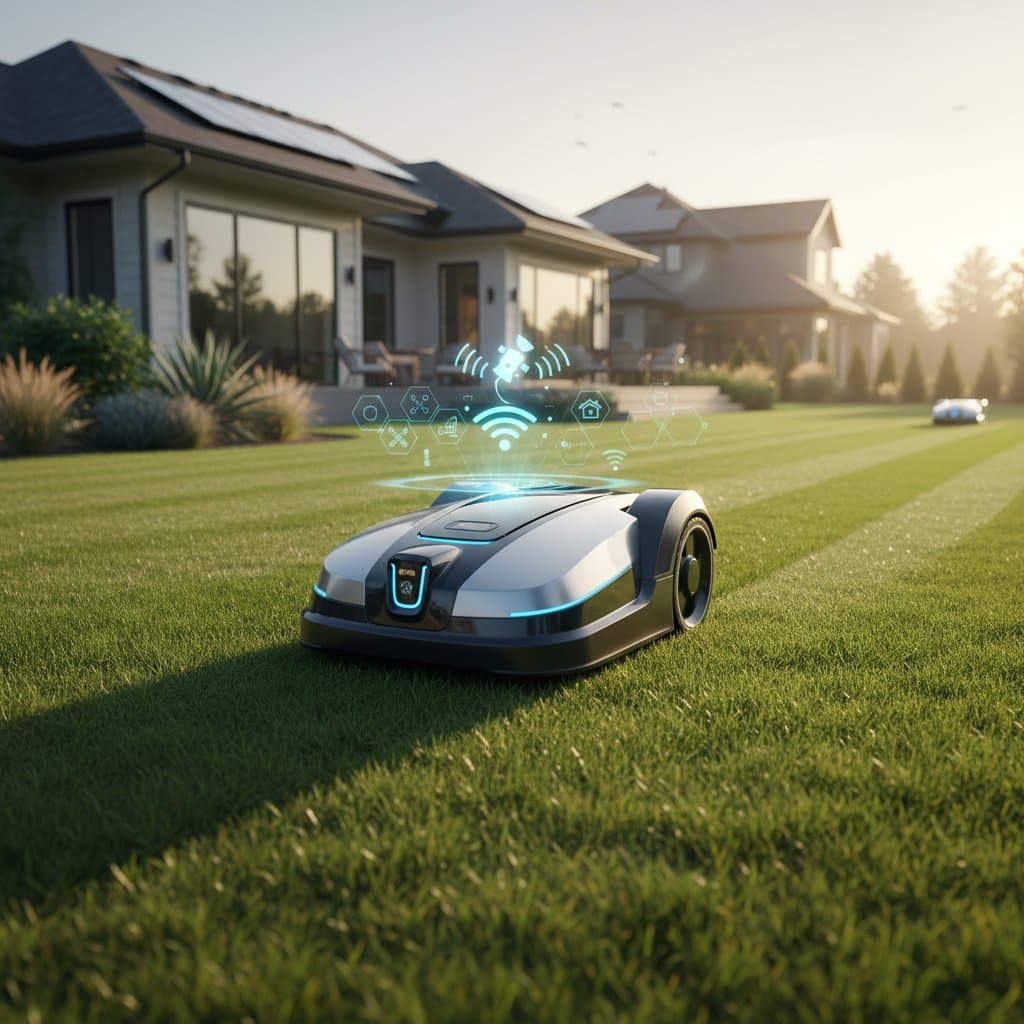
Why 2026 Is the Breakthrough Year for Robotic Mowers
When Tom and Lila moved into their suburban home, weekends quickly filled with lawn care tasks. Between work and family responsibilities, they struggled to maintain a neat yard. They searched for a reliable solution that would restore their free time while preserving turf quality.
A robotic mower now handles the work. The compact unit glides across the grass each morning, cuts to a consistent height, and returns to its charging station without intervention. This shift from manual effort to automated care reflects broader changes in residential landscaping.
How Smart Technology Improves Lawn Maintenance
Homeowners now expect more than basic automation from outdoor equipment. Modern robotic mowers use GPS receivers, boundary wire mapping, and onboard sensors to navigate properties accurately. These systems identify slopes, avoid obstacles, and follow efficient cutting patterns that reduce overlap and energy consumption.
App controls allow users to set schedules, adjust cutting heights, and receive maintenance alerts from a smartphone. Landscape designer Priya Chen notes that clients view these machines as permanent investments rather than temporary gadgets. The integration with existing smart home platforms further supports daily reliability.
Balancing Aesthetics and Practical Performance
Manufacturers have updated exterior designs to complement garden settings. Matte finishes and low profiles reduce visual impact, while charging stations mimic natural stones or planters. Rounded housings and automatic blade shutoff systems add safety around children and pets.
Tom and Lila selected a graphite model positioned beside a hedge. The unit remains unobtrusive yet delivers uniform results. Thoughtful engineering choices like these support both appearance and function in everyday use.
Reducing Environmental Impact and Operating Costs
Electric power and quiet operation lower noise levels and eliminate fuel emissions. Improved battery systems extend runtime and shorten recharge periods, often resulting in monthly electricity costs below the price of gasoline for a traditional mower.
Fine mulching returns clippings to the soil as natural fertilizer. Frequent trimming prevents thatch buildup and limits weed establishment. Landscape contractor Miguel Torres observes thicker, greener turf within weeks when clients switch to daily automated cuts instead of weekly manual mowing.
Daily Advantages for Homeowners
Tom and Lila report consistent lawn height and fewer last-minute mowing sessions before visitors arrive. The regular schedule keeps clippings short enough to decompose quickly, which improves moisture retention during dry periods.
These outcomes demonstrate how automated mowing supports both convenience and turf health. Homeowners gain time to enjoy outdoor spaces without sacrificing maintenance quality.
Preparing Your Property for Automated Mowing
Successful installation begins with clear boundary mapping and obstacle assessment. Position the charging station on a level surface with easy access to power. Plan garden beds and pathways to allow straight mowing runs and clean transitions between zones.
Professionals who incorporate these considerations during initial landscape design achieve smoother long-term performance. As adoption increases, service networks expand to handle seasonal checks and software updates.
Making the Switch to Automated Lawn Care
Tom described the change as a way to redesign daily routines rather than replace personal effort. The mower simply returns hours previously spent on weekend chores. This combination of precision engineering, lower operating demands, and improved lawn condition positions robotic systems as a practical standard for residential properties.