
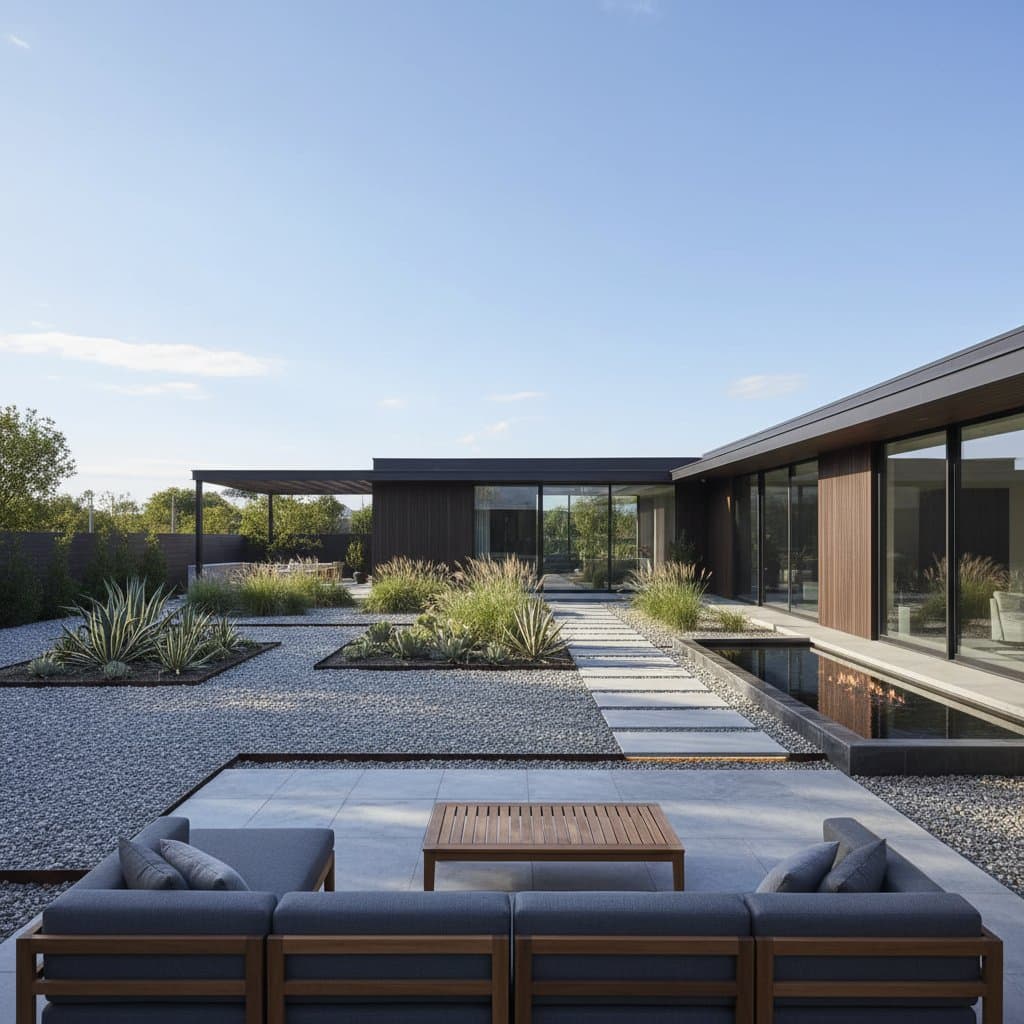
The Appeal of Gravel Lawns: Achieving 60% Less Maintenance
Gravel lawns alter the demands of yard upkeep significantly. They offer texture, longevity, and serene simplicity, while reducing ongoing tasks by more than half. Homeowners seeking a refined appearance without frequent mowing or irrigation discover that gravel lawns provide practicality alongside visual harmony.
When paired with native vegetation, seating areas, or meandering paths, a gravel surface appears purposeful rather than barren. This combination yields a versatile space that remains pristine and accessible across seasons, requiring minimal intervention.
Step 1: Establish a Sturdy Foundation
The foundation of a gravel lawn lies beneath the visible layer. Effective preparation guarantees optimal drainage and stability. Landscape professionals emphasize that a reliable base prevents gravel displacement and enhances walking comfort.
Key functional advantage: A well-compacted sub-base inhibits uneven settling and weed intrusion, preserving a neat appearance with little oversight.
Design recommendation: Select decomposed granite or crushed limestone, which provide a consistent texture and compact securely.
Practical illustration: In a compact courtyard, apply a four-inch layer of compacted gravel atop landscape fabric. This setup forms a permeable, enduring surface that demands low upkeep.
Visual enhancement: Fine crushed stone yields a gentle, traversable path, while sharp borders frame adjacent planting areas crisply.
Step 2: Select Appropriate Gravel Size and Color
The choice of gravel size and hue shapes the overall ambiance of the yard. Smaller particles create a seamless, inviting surface, whereas larger ones introduce a rugged appeal.
Key functional advantage: Gravel in medium to fine sizes packs tightly and resists shifting, minimizing the frequency of raking or adjustments.
Design recommendation: Align the gravel's color with the home's exterior or nearby natural elements. Neutral tans harmonize with wooden structures, and cooler grays or whites suit contemporary builds.
Practical illustration: For a seaside residence, opt for light crushed granite. It bounces sunlight to maintain a cooler surface temperature.
A landscape designer notes, "Harmonizing gravel tones with architectural details unifies the composition and avoids a disjointed feel."
Step 3: Integrate Gravel with Resilient Plantings
Gravel by itself may appear severe, yet integration with water-wise plants fosters a vibrant, balanced environment. The interplay of stone and greenery tempers the starkness while upholding simplicity.
Key functional advantage: Strategic plant placement offers partial shade, mitigates heat buildup, and supports local wildlife like pollinators.
Design recommendation: Prioritize varieties suited to arid, permeable soils, including lavender, creeping thyme, or compact grasses such as little bluestem.
Practical illustration: Scatter low sedum mounds and blue fescue groupings across a gravel expanse. This arrangement introduces dynamic color and motion with negligible care.
Visual enhancement: Delicate prairie dropseed accents interrupt lighter gravel shades and undulate softly with wind.
Step 4: Incorporate Edging for Definition and Control
Defined edges contain the gravel and elevate the design's precision. Sturdy borders prevent spillover and contribute to a polished finish.
Key functional advantage: Effective edging curbs weed encroachment from adjacent areas and simplifies surface renewal.
Design recommendation: Employ materials like metal strips, brick pavers, or timber that complement the gravel's tone and scale.
Practical illustration: Outline a gravel patio with slim steel edging. It secures the stones while allowing seamless transitions to mulched beds.
Visual enhancement: Clean lines from contrasting edging materials draw the eye and accentuate planted focal points.
Step 5: Install Thoughtful Lighting for Extended Use
Strategic illumination redefines gravel areas after dark. The granular texture scatters light softly, generating an inviting radiance.
Key functional advantage: Subtle fixtures enhance navigation and prolong usability into the evening hours.
Design recommendation: Install recessed downlights or low-profile bollards using warm 2700 K sources to mimic daylight warmth.
Practical illustration: Embed path lights amid decorative grasses to accentuate the gravel's contours without overwhelming brightness.
A designer observes, "Thoughtful lighting layers prolong outdoor time without stark contrasts, and gravel's facets capture glow in unique ways that grass cannot match."
Visual enhancement: Gentle path illumination highlights the subtle gleam of fine gravel adjacent to verdant borders.
Embracing the Everyday Benefits of Gravel Lawns
A gravel lawn reshapes yard dynamics and utility. It supports relaxed maintenance schedules, frees time for leisure, and adapts to diverse architectural styles from sleek modern to organic rustic.
Post-rainfall, the surface dries swiftly and remains navigable, eliminating the need for fertilizers or pesticides. As years pass, gravel patinas richly, plants establish deeply, and the layout integrates more fluidly with the environment.
These landscapes demonstrate that diminished effort aligns seamlessly with elevated aesthetics. Through deliberate construction, they deliver sustained usability and allure, optimizing every area for performance and pleasure.