
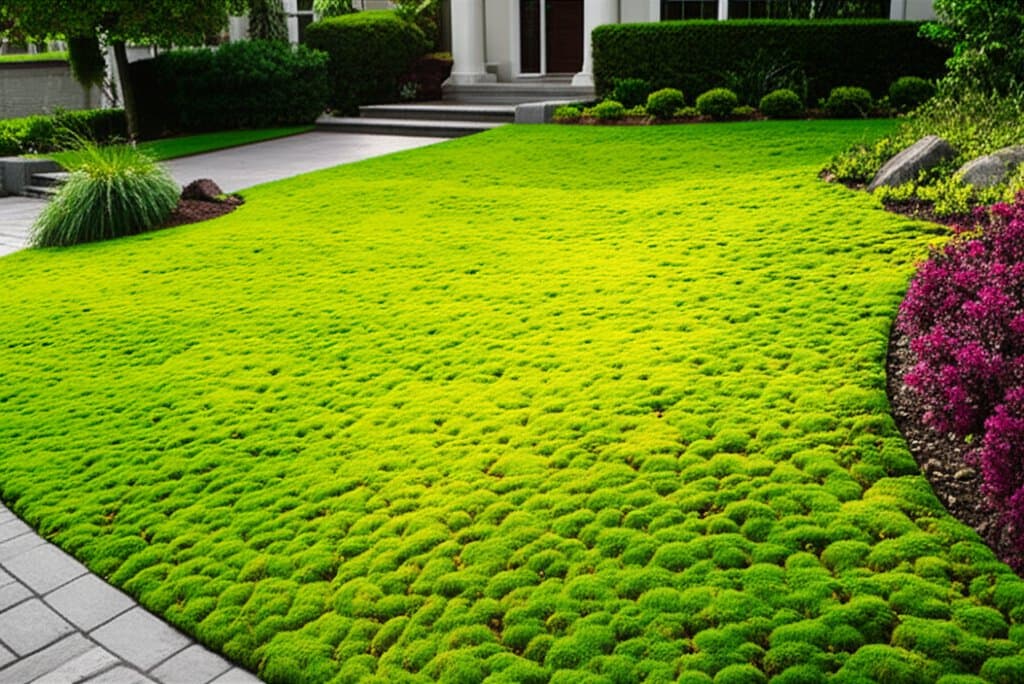
The No-Mow Moss Trend Transforming Suburban Yards
Imagine stepping into your front yard and finding a soft, velvety carpet underfoot. This surface requires no mowing, remains green through dry spells, and invites a sense of calm every time you see it. That is the quiet charm of the no-mow moss lawn, a growing favorite among homeowners who seek less maintenance and more natural beauty. Across suburban neighborhoods, moss replaces traditional turf grass as people pursue sustainable, low-water, and visually soothing landscapes.
For California homeowners, where water conservation serves both practical and ethical purposes, moss lawns provide a fresh approach. This method blends environmental responsibility with timeless design.
Why Homeowners Are Rethinking Traditional Lawns
The modern grass lawn has long symbolized suburban pride. However, its upkeep demands constant mowing, watering, fertilizing, and weed control. In regions with dry seasons, this maintenance often proves wasteful and expensive. Moss thrives in conditions that challenge grass. It remains lush without fertilizer, tolerates partial shade, and needs minimal irrigation once established.
Moss lawns also foster quieter neighborhoods. The absence of roaring mowers or leaf blowers on weekend mornings enhances peace. The visual calm of a moss surface offers a restorative quality. This appeals to homeowners who embrace slower, more mindful living.
Understanding What Moss Needs
Moss differs from traditional plants. It lacks roots, flowers, or seeds. Instead, it absorbs water and nutrients directly through its leaves. Moss excels where grass fails, especially in compacted soil, shaded areas, or zones with imperfect drainage. Success depends on selecting the appropriate moss variety for your site conditions.
Common types include sheet moss, which forms smooth, low mats, and cushion moss, which creates gentle mounds for added texture. In California gardens, choose species that handle both shade and some sun exposure. View moss as a living fabric that conforms to your yard's contours.
Preparing the Ground for a Moss Lawn
Installing a moss lawn demands careful preparation, yet avoids the heavy equipment required for grass lawns. Follow this sequence for best results:
- Clear the area. Remove existing grass, weeds, and debris. Moss requires a clean surface for attachment.
- Adjust the soil. Moss favors acidic conditions with a pH between 5.0 and 5.5. Apply sulfur or a natural soil acidifier to lower pH if necessary.
- Create a stable surface. Use slightly compacted soil or a sandy base. Steer clear of deep, loose soil that holds excess moisture.
- Lay or press moss fragments. Acquire moss in sheets or propagate from local patches. Press it firmly onto the soil to ensure solid contact.
- Keep it moist. Mist the area daily for the first few weeks to aid establishment. Reduce watering as the moss anchors itself.
Moss lawns seldom require fertilizers. They suppress weeds effectively by forming a dense cover that leaves little space for competitors.
Designing with Moss for Beauty and Function
Moss unlocks design options unavailable with grass. Its fine texture complements stone, wood, and water features. It softens hard edges in modern landscapes and heightens serenity in Japanese-inspired gardens. Many homeowners incorporate moss as a groundcover around stepping stones or between pavers, evoking a sense of age and permanence.
In a suburban front yard, combine moss with native ferns, low-growing sedges, or small succulents. This creates a layered effect that appears natural yet deliberate. In shady corners, substitute moss for mulch under trees. This approach cuts maintenance while delivering year-round lushness.
Moss suits contemporary outdoor spaces as well. Position a moss carpet near a patio or outdoor kitchen to provide a cooling, tactile contrast to stone or concrete. Unlike grass, moss maintains a low, even profile, avoiding interference with furniture or pathways.
Water, Maintenance, and Long-Term Value
A primary advantage of moss lawns lies in their efficiency. Once established, moss uses far less water than turf grass. It enters dormancy during droughts but rebounds swiftly with moisture. These water savings translate to substantial reductions in bills over time.
Maintenance remains straightforward. Skip mowing and fertilizing entirely. Perform occasional weeding and gentle rinsing to clear debris. In leaf-prone areas, use a soft broom or low-setting blower to maintain cleanliness without harm.
Moss demonstrates impressive durability. With proper care, it endures indefinitely. It resists pests, handles moderate foot traffic, and retains color through varying weather. For households with pets or children, install designated stepping paths or flagstone walkways to direct movement and protect the moss.
Practical Considerations Before You Begin
Evaluate your site thoroughly before adopting a no-mow moss lawn. Avoid full-sun exposures or high-traffic zones. Moss thrives in dappled light and steady humidity. If an irrigation system exists, configure it for gentle misting rather than forceful sprinklers.
Initial costs for a moss lawn may exceed those for seeding grass, due to slower growth and specialized materials. Long-term savings in maintenance, water, and energy typically balance this out. Homeowners prioritizing sustainability and aesthetics find the investment worthwhile.
Consult a landscape designer or horticulturist experienced in moss. These experts select fitting species, prepare soil accurately, and devise layouts that harmonize with your existing landscape. Early collaboration prevents errors and minimizes future expenses.
Ensuring Moss Establishment and Lasting Appeal
A moss lawn extends beyond mere design. It signals a commitment to resource-efficient living. The subtle green hue calms the senses, aligning with California's coastal rhythms from misty dawns to sunlit afternoons. As moss thickens and expands, it converts a labor-intensive yard into a self-sustaining haven.
Embracing moss reimagines suburban beauty. It prioritizes tranquility, resilience, and ecological balance. Through precise preparation and attentive care in the initial phase, your moss lawn flourishes for decades, delivering a welcoming softness with every step.