
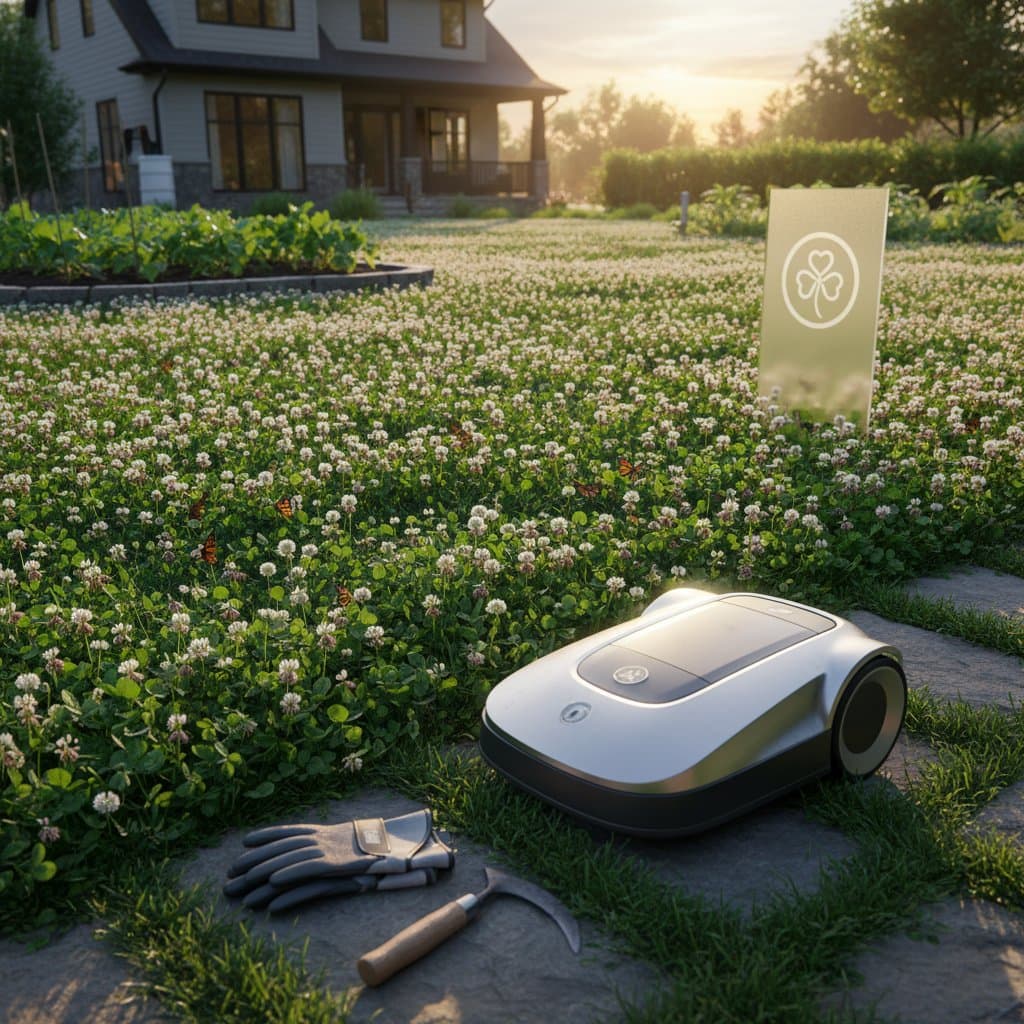
Why Clover Lawns Revolutionize No-Mow Yards by 2026
Homeowners seek vibrant green spaces without the constant demands of traditional lawn care. Clover lawns fulfill this need by providing dense, attractive coverage that maintains its form with minimal intervention. This shift toward clover represents a practical embrace of sustainability, where beauty aligns with environmental responsibility.
Once dismissed as an unwelcome intruder in manicured lawns, clover now stands as a resilient champion for modern landscapes. Its ability to thrive in diverse conditions makes it ideal for regions facing water scarcity. By 2026, widespread adoption promises to redefine outdoor aesthetics across suburban and urban settings.
The Case for Clover Over Traditional Grass
Standard turfgrass lawns require frequent attention to remain healthy and presentable. Weekly mowing, seasonal fertilizing, consistent watering, and ongoing pest management consume substantial time and resources. Clover offers a superior alternative through its inherent low-growth habit and self-sustaining properties.
Clover fixes nitrogen directly from the atmosphere via symbiotic bacteria in its roots, eliminating the need for external fertilizers. This process not only nourishes the clover but also improves surrounding soil quality over time. As a result, chemical applications become unnecessary, which prevents pollution in local water sources and supports broader ecological health.
In drought-prone areas such as California, clover excels due to its extensive root system. These roots reach depths of up to two feet, accessing subsurface moisture that shallow-rooted grasses cannot. During dry periods, clover remains verdant while grass turns brown, ensuring year-round visual appeal without supplemental irrigation.
Key Benefits of Clover Lawns
Clover lawns deliver multiple advantages that enhance both the landscape and the homeowner's lifestyle. These benefits extend from practical maintenance savings to profound environmental contributions.
1. Minimal Maintenance Requirements
Establishing a clover lawn involves initial effort, but ongoing care proves remarkably simple. Water lightly during the first few months to encourage root development, then rely on natural rainfall for most of the year. Mow only once or twice annually to control height and encourage density, which reduces equipment operation by over 90 percent compared to grass lawns.
This approach minimizes fuel consumption and associated emissions from gas-powered mowers. Homeowners report reclaiming weekends previously spent on yard work, allowing more time for enjoyment of the space. In urban environments, the quieter operation also benefits neighbors.
2. Built-In Soil Enrichment
As a member of the legume family, clover hosts rhizobia bacteria that convert atmospheric nitrogen into a plant-usable form. This natural fertilization process enriches the soil profile, fostering robust growth without synthetic inputs. Over one to two years, soil nitrogen levels can increase by 50 to 100 pounds per acre, benefiting any adjacent garden beds or trees.
Healthier soil translates to stronger resistance against erosion and compaction. Clover's mat-like growth further protects topsoil from heavy rains, preserving nutrients and preventing sediment runoff into storm drains. This cycle creates a self-perpetuating system that requires no external amendments.
3. Attractive and Comfortable Texture
Clover maintains a lush, emerald hue throughout the seasons, even under foot traffic or mild shade. Its leaves form a soft, padded surface ideal for barefoot walking or casual lounging. Varieties like white Dutch clover achieve a uniform, lawn-like finish that complements formal designs.
For a more refined appearance, microclover varieties feature smaller leaflets and slower vertical growth, mimicking the finesse of hybrid grasses. Strawberry clover adds subtle reddish tones, enhancing visual interest in mixed plantings. These options ensure clover integrates seamlessly with existing hardscapes and ornamental features.
4. Essential Support for Pollinators
Clover's delicate flowers serve as a vital nectar source for bees, butterflies, and other pollinators. A single square yard can attract dozens of beneficial insects during bloom periods, bolstering local biodiversity. This support proves crucial in areas where native habitats diminish due to development.
To balance pollinator benefits with family safety, time mowing to precede peak flowering in spring and fall. Opt for low-bloom varieties like microclover if children or pets frequent the area. Such strategies preserve ecological value without compromising usability.
Selecting the Ideal Clover Variety
Choosing the appropriate clover type depends on site conditions, aesthetic preferences, and maintenance goals. Each variety offers unique traits suited to specific environments.
Microclover suits homeowners desiring a polished, grass-resembling lawn. Its petite leaves grow to just two inches tall, requiring no mowing in many cases. This variety tolerates partial shade and mixes effortlessly with fescue or Kentucky bluegrass for hybrid lawns.
White Dutch clover provides vigorous coverage for sunny, open spaces. Hardy in USDA zones 4 through 9, it spreads quickly to fill bare patches and outcompete weeds. Use it for play areas or as a monoculture in larger yards.
Strawberry clover thrives in saline or poorly drained soils common to coastal California. Its creeping habit forms dense mats that stabilize slopes and tolerate periodic flooding. Plant it along pathways or in transition zones between lawn and garden.
Step-by-Step Guide to Establishing a Clover Lawn
Creating a new clover lawn follows straightforward steps to ensure successful germination and establishment. Begin in early spring or fall when soil temperatures range from 50 to 85 degrees Fahrenheit.
-
Prepare the Site: Clear weeds and debris from the area. Till the soil to a depth of four to six inches to break up compaction, then level the surface with a rake.
-
Test and Amend Soil: Conduct a basic pH test; clover prefers levels between 6.0 and 7.0. Add lime if acidic or sulfur if alkaline, incorporating amendments deeply for even distribution.
-
Seed Strategically: Use 2 to 4 pounds of seed per 1,000 square feet, depending on variety. Mix seeds with fine sand or sawdust for uniform spreading, then lightly rake into the top quarter-inch of soil.
-
Water and Protect: Apply a gentle overhead watering to settle seeds without washing them away. Keep the surface consistently moist for 10 to 14 days until sprouts appear. Cover with straw mulch if birds pose a threat.
-
Monitor Growth: Thin overcrowded seedlings if needed, and avoid foot traffic for the first two months. Full coverage typically develops within one growing season.
Incorporating Clover into Established Lawns
Transitioning an existing grass lawn to include clover avoids major disruptions. This method gradually shifts the landscape toward greater sustainability.
Start by mowing the current lawn to a height of one inch and removing clippings. Aerate compacted spots to improve seed access, then apply clover seed at half the rate used for new lawns. Water daily for the initial two weeks to promote germination amid the grass.
As clover establishes, it crowds out weaker grass varieties and fills thin areas naturally. Expect a 20 to 30 percent clover component within the first year, which enhances overall lawn vigor. This blend reduces watering needs by up to 50 percent while maintaining a familiar green appearance.
Embracing Sustainable Yard Care with Clover
Clover lawns invite a harmonious relationship with nature, where minimal effort yields maximum rewards. Reduced mowing schedules free up time and resources, allowing focus on meaningful outdoor activities. Water conservation aligns with regional mandates, particularly in water-stressed California communities.
Soil health improvements extend benefits to vegetable gardens and fruit trees nearby, creating interconnected ecosystems. Pollinator attraction fosters a vibrant wildlife presence, enriching the sensory experience of the yard. Ultimately, clover transforms routine maintenance into an opportunity for environmental stewardship.
Homeowners who adopt clover discover landscapes that evolve gracefully with the seasons. This resilient choice supports long-term resilience against climate challenges, ensuring enduring beauty and functionality.