
Biophilic Patios Reduce Stress by 60 Percent, Supported by Scientific Research
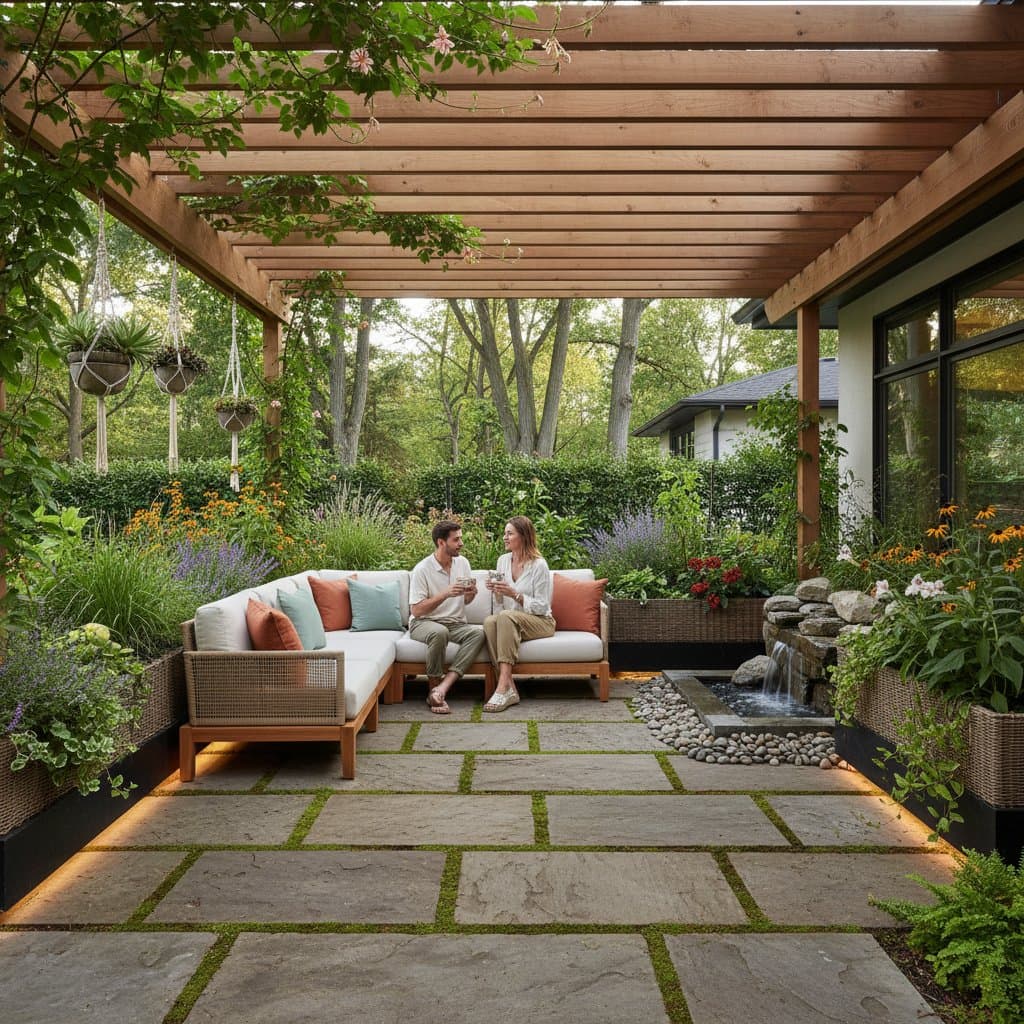
When Alex and Priya relocated to their suburban home, they sought an outdoor area that extended beyond simple gatherings. They envisioned a patio that actively restored their energy and alleviated the tensions from demanding work schedules. Collaborating with landscape designer Maya Redfern, they converted a basic concrete surface into a biophilic haven. Studies indicate that such designs can lower stress levels by as much as 60 percent through immersion in natural elements.
Creating a Seamless Connection to the Outdoors
Upon entering the space, visitors experience an immediate sense of tranquility. The patio integrates with a multi-tiered garden, guiding the gaze from low-lying ground covers to swaying tall grasses. A modest water feature introduces a soothing trickle, while a cedar pergola overhead diffuses sunlight through its spaced wooden slats above the seating area. These elements foster a deep link to organic forms and movements.
Redfern explains, "The objective was to blend the patio seamlessly with the surrounding landscape, avoiding any sense of isolation. Individuals relax more quickly in environments that replicate the textures and cycles found in nature."
The surface transitions from smooth limestone tiles to coarse gravel along the edges, inviting barefoot exploration and direct sensory engagement with the ground. This thoughtful layout encourages residents to pause and absorb the surroundings rather than hurry through them.
Selecting Materials for Therapeutic Impact
Designers selected limestone pavers for their ability to remain cool underfoot and their natural tonal variations. These stones diffuse daylight gently, preventing harsh reflections that could strain the eyes. Over time, the cedar in the pergola will develop a silvery patina, harmonizing with the subdued hues of the adjacent plantings.
Previously bare walls now support vertical planters brimming with aromatic herbs. This green barrier serves dual purposes: it releases calming scents into the air and shields the space from external views. Redfern notes, "Scent influences emotional states more profoundly than many realize. We incorporated rosemary for its clarifying aroma, lavender for soothing effects, and mint for a refreshing uplift."
Illumination enhances the serene atmosphere without overwhelming it. Rather than bright overhead lights, subtle LED fixtures embedded in the ground illuminate walking paths. These emit a warm glow akin to firelight, helping to preserve natural sleep cycles as evening approaches.
To amplify the biophilic principles, the team added elements like textured stone benches carved from local granite. These seats invite prolonged contact with rugged, earthy surfaces. Wind chimes crafted from bamboo provide occasional soft tones, syncing with the rustle of leaves in the breeze.
Integrating Science into Everyday Design
Biophilic design draws from research showing that proximity to nature regulates cortisol levels and boosts mood. In Alex and Priya's patio, layered vegetation creates microclimates that moderate temperature fluctuations, making the area comfortable year-round. Native ferns and mosses along the borders require little intervention yet offer lush, verdant backdrops.
The water basin, fed by a simple recirculating pump, not only produces relaxing sounds but also attracts birds and butterflies. Observing wildlife adds an interactive dimension, further reducing perceived stress. Redfern incorporated curved pathways inspired by river bends, which subconsciously guide movement in a flowing, non-linear manner.
For those new to this approach, understanding core principles helps. Biophilia emphasizes six patterns: environmental features, natural analogues, and prospect-refuge dynamics. Here, the pergola offers refuge while open garden views provide prospect, balancing security with expansiveness.
Practical Maintenance for Lasting Benefits
Sustaining a biophilic patio focuses on harmony with natural processes rather than rigid upkeep. Native species demand less water and resist pests, allowing the ecosystem to self-regulate. Seasonal shifts, such as blooming wildflowers in spring or autumn foliage color, introduce variety without additional effort.
Furniture selections prioritize durability and authenticity. Teak chairs and tables patina gracefully, gaining depth from exposure to the elements. Regular tasks include pruning overgrown branches to maintain airflow and replenishing herb planters to sustain aromatic output.
Homeowners benefit from monitoring how the space evolves. Journaling responses to different times of day can reveal preferences, such as preferring shaded nooks during midday heat. This ongoing dialogue ensures the design remains responsive to user needs.
Actionable Steps to Build Your Own Biophilic Retreat
Begin by assessing your current patio's potential. Measure the area and note sunlight patterns, soil quality, and privacy concerns. These insights guide material and plant choices tailored to your climate.
- Select foundational surfaces that evoke nature: Opt for permeable pavers like flagstone or recycled composites mimicking wood grain.
- Introduce dynamic features: Install a solar-powered fountain or swaying ornamental grasses to add motion and sound.
- Layer sensory elements: Combine visual greens with tactile options, such as soft moss paths, and olfactory plants like chamomile or eucalyptus.
- Design for low-light usability: Position solar lanterns along edges to create a gentle glow that extends usability into evenings.
- Incorporate personal touches: Add a hammock woven from natural fibers or a reading nook framed by climbing vines for intimate relaxation.
Consulting a local expert early prevents common pitfalls, such as overplanting that blocks airflow. Budget for initial investments in quality materials, knowing they yield long-term savings in maintenance.
Embracing Nature for Sustained Wellbeing
Alex and Priya's transformation demonstrates that biophilic patios transcend mere aesthetics. They actively contribute to mental health by fostering restorative habits. Daily moments spent in this space have reshaped their routines, turning evenings into opportunities for renewal.
Such designs prove accessible regardless of lot size. Even compact urban patios can incorporate potted ferns, pebble mosaics, and trellises to mimic wilderness. The key lies in deliberate choices that honor human affinity for the natural world.
Ultimately, these outdoor sanctuaries partner with daily life. They quietly diminish stress, enhance focus, and nurture overall vitality. By prioritizing biophilic elements, homeowners craft environments that support a balanced, rejuvenated existence.