
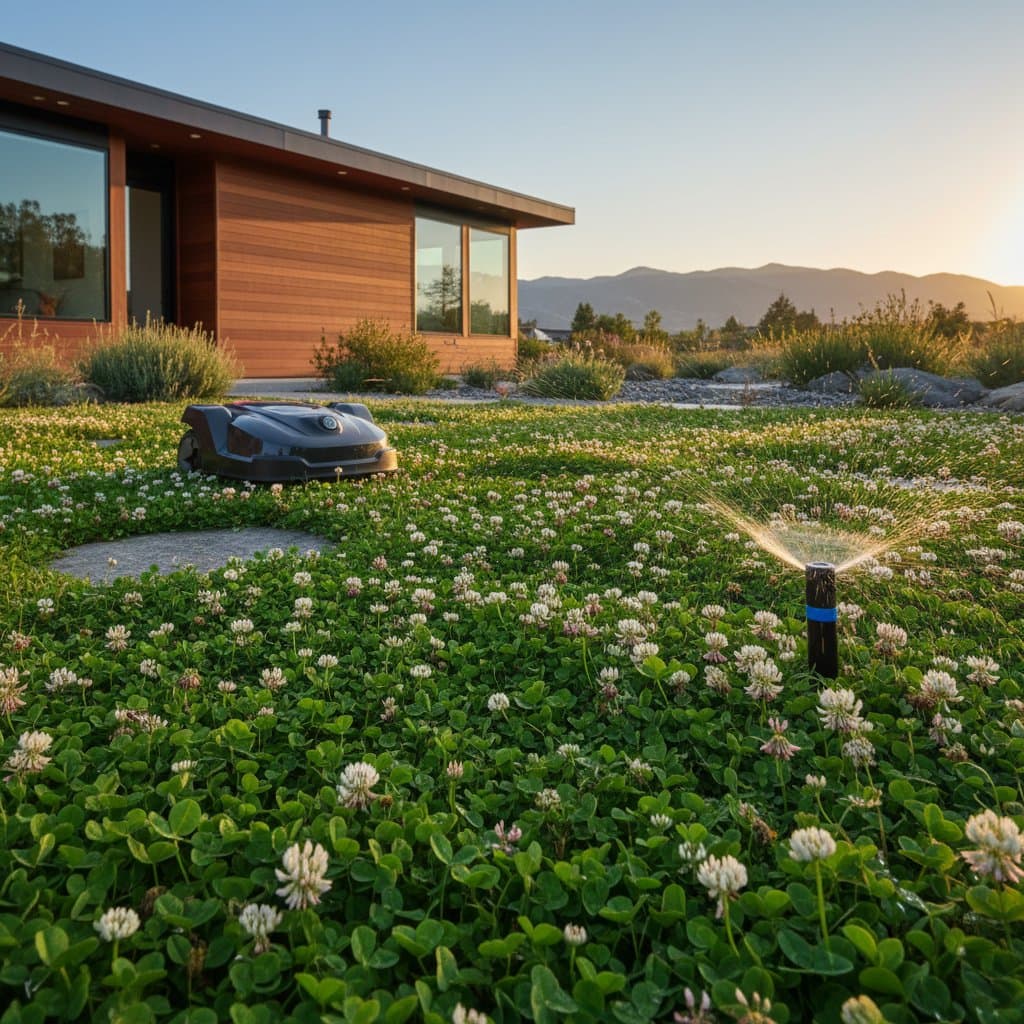
The Resurgence of Clover Lawns: 60 Percent Less Mowing
A lush green lawn often represents a well-maintained home, but traditional grass demands substantial time, water, and chemical inputs. In California and nearby regions, clover stands out as a viable alternative. Once dismissed as a mere weed, clover now earns praise for its minimal maintenance, efficient water consumption, and environmental contributions. Homeowners value its ability to cut mowing frequency by up to 60 percent, retain color through dry spells, and provide a soft surface ideal for barefoot strolls.
Reasons for Clover's Return
Clover formerly appeared in many lawn seed mixes, where it fixed nitrogen in the soil and reduced the need for added fertilizers. Broadleaf herbicides eventually targeted it along with other plants, promoting a uniform grass appearance. With a growing emphasis on sustainable landscaping, clover regains prominence today.
This comeback addresses pressing issues such as water scarcity, rising maintenance costs, and pollinator population declines. Clover lawns combine visual appeal with ecological benefits, fitting the demands of water-aware areas like California.
Key Advantages of Clover Lawns
Clover offers more than just less frequent mowing. Its attributes improve overall yard vitality and simplify care for property owners.
-
Superior Water Efficiency
Clover forms deeper roots compared to typical grasses, drawing water from lower soil layers. Once established, it stays green during droughts that brown out regular turf. Property owners can often reduce watering by half while keeping the lawn vibrant and flexible. -
Natural Soil Enrichment
As a legume, clover works with soil bacteria to pull nitrogen from the air and convert it into usable nutrients. This process nourishes the clover itself and surrounding grasses, eliminating the reliance on synthetic fertilizers. Lawns develop into self-sustaining systems with little external help. -
Reduced Mowing Needs
Clover grows to moderate heights and flattens under foot traffic, needing cuts only every two to three weeks during peak growth seasons, unlike the weekly trims required for many grasses. This saves time, lowers emissions from lawn equipment, and cuts related expenses. -
Comfortable Texture and Visual Appeal
Clover creates a padded, springy surface. Its small, oval leaves produce a fine, even texture that looks tidy from a distance. The consistent green color holds up against heat, making it perfect for relaxation or family activities. -
Support for Pollinators
Clover flowers attract bees and other helpful insects. In busy areas, mow regularly to prevent excessive blooming. In quieter sections, permit flowers to grow and support local biodiversity. -
Effective Weed Control
The dense growth and rapid spread of clover crowd out pests like crabgrass. A healthy clover patch leaves few open spots for weeds to take hold.
Selecting the Right Clover Varieties
Different clover species have unique growth patterns, so choose based on your location and desired look.
-
White Dutch Clover: A favorite for lawns, it grows low, handles foot traffic well, and spreads through runners. It works in solid patches or mixed with grass.
-
Microclover: Developed from White Dutch, this variety features finer leaves for a refined, grass-like appearance. It delivers clover benefits with a more formal style.
-
Strawberry Clover: Tough in salty soils or coastal zones, it manages variable moisture levels and produces delicate pink blooms.
In California's varied climates, White Dutch or Microclover perform reliably, enduring dry periods with steady results.
Steps to Establish a Clover Lawn
Transitioning to clover requires planning, but the effort remains straightforward for most homeowners.
-
Evaluate the Existing Site
Test soil pH and drainage. If the current lawn provides a good base, overseed with clover. Aerate hard-packed soil to enhance water penetration. -
Choose Your Approach
- Overseeding: Ideal for mixed lawns that blend clover and grass.
- Full Replacement: Best for maximum benefits, as it removes all existing turf.
-
Prepare and Sow Seeds
Clover seeds are tiny, so mix them with sand for even distribution. Broadcast over cleared soil, lightly rake in, and water thoroughly to settle them. Keep the surface consistently moist until sprouts appear. -
Timing for Planting
Plant when soil temperatures reach 50 to 85 degrees Fahrenheit, with moderate weather. Avoid extreme heat in summer or heavy rains in winter. -
Early Maintenance Routines
Limit foot traffic while seedlings emerge and apply gentle, frequent watering. As clover establishes, monitor its spread and ability to suppress competing plants.
Integrating Clover into Existing Grass
A phased approach eases the shift, creating a diverse and resilient lawn. Overseeding offers an affordable way to see improvements within a season.
To ensure success:
- Raise mower height by one setting to allow clover to thrive.
- Avoid nitrogen-based fertilizers, which encourage grass over clover.
- Water deeply but infrequently to build strong root systems.
Common Questions About Clover Lawns
Does clover become slippery or messy?
Clover holds firm even after rain or morning dew. It drains quickly and resists muddiness more effectively than traditional grass.
How might it impact allergies?
Clover produces less pollen than many grass types. Regular mowing before flowers open minimizes any potential issues.
Will it attract too many bees?
Blooms do draw pollinators, which many view as a benefit. Mow play areas frequently to manage bee activity.
Can clover spread uncontrollably?
It stays contained with proper edging against sidewalks or borders. Install physical barriers like stones for clean boundaries.
Environmental and Lifestyle Benefits
Clover supports sustainable habits by decreasing water usage, avoiding chemical treatments, and reducing dependence on gas-powered tools. In environmentally conscious neighborhoods, it exemplifies thoughtful yard design.
On a practical level, it frees up time for enjoyment rather than chores. Host barbecues or relax outdoors with less upkeep, while maintaining an attractive space.
Maintaining a Healthy Clover Lawn
Established clover needs basic care: mow to keep it tidy and water only during extended dry spells. For repairs, rake bare areas, add seeds, and water until new growth takes hold.
Select Microclover for structured landscapes due to its compact growth. White Dutch fits casual settings, complementing native plantings.
Building Enduring Landscape Health
Adding clover goes beyond ease of care. It improves soil quality, saves resources, and promotes diverse wildlife.
This choice reflects progressive gardening principles. Enjoy less work, pesticide-free grounds, and reliable green coverage with smart implementation.