
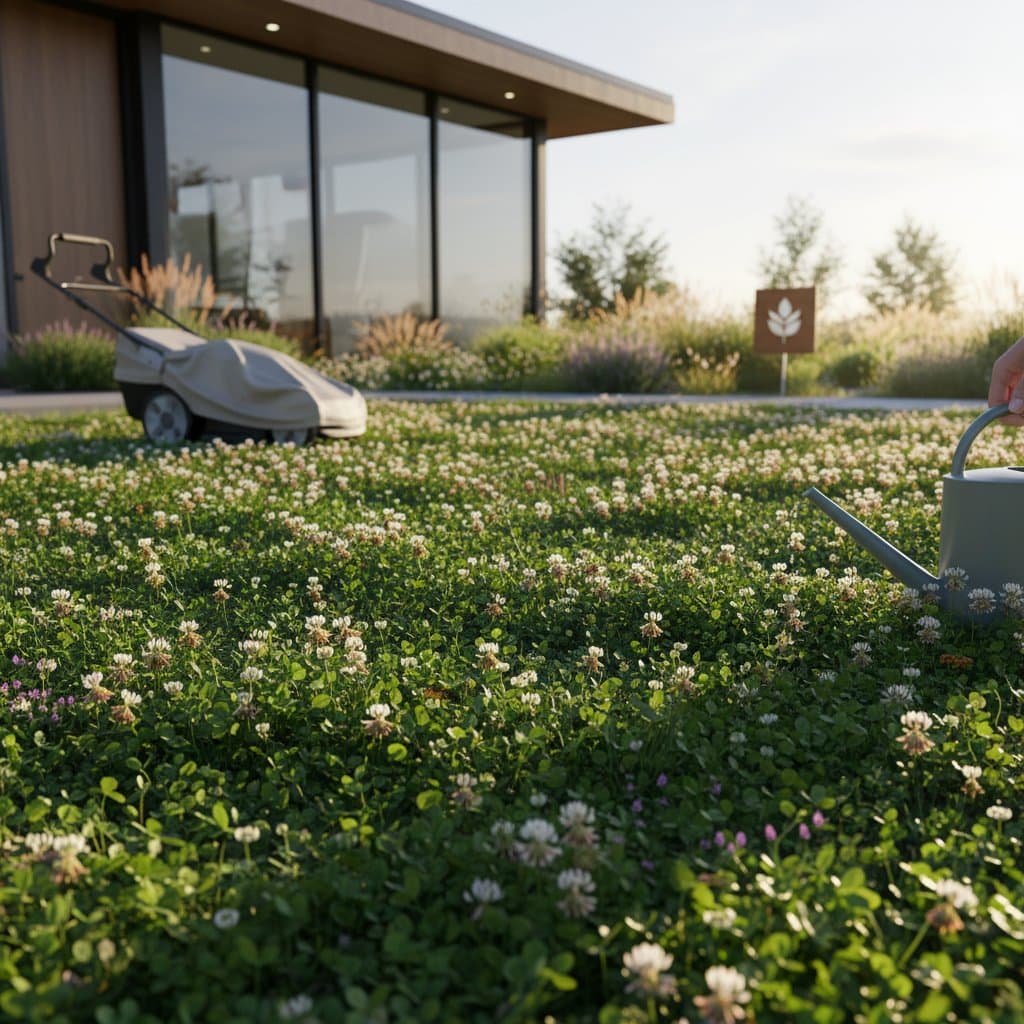
Clover Lawns Replace Turf for 70 Percent Less Mowing
A lush green lawn has long symbolized homeowner pride. However, traditional turf lawns yield to a more sustainable alternative. Clover lawns gain traction in California and other regions for their straightforward maintenance and inherent appeal. Homeowners find that substituting turf with clover reduces mowing needs by approximately 70 percent. Outdoor areas remain soft, green, and bustling with pollinators.
This change extends beyond mere convenience. It stems from heightened awareness of water shortages, soil vitality, and the genuine expenses of conventional lawn care. Clover lawns preserve time, safeguard resources, and foster biodiversity. They deliver the charm of a manicured yard without excess effort.
Why Clover Lawns Gain Popularity
Conventional grass lawns require consistent care. They demand weekly mowing, regular irrigation, and frequent fertilization to retain vibrancy. Clover lawns operate on a minimal routine. After establishment, they need only occasional mowing, substantially less water, and minimal fertilizer.
Clover, a member of the legume family, fixes nitrogen in the soil naturally. This mechanism nourishes adjacent plants and diminishes dependence on chemical additives. The outcome yields a robust, self-maintaining cover that holds color throughout much of the year.
In California dry climates, clover lawns suit water-aware homeowners ideally. They sustain green hues deeper into drought periods and revive swiftly after rainfall. The texture provides a gentle, welcoming surface underfoot.
Environmental Benefits
Clover lawns offer advantages beyond aesthetics. They nurture essential ecosystems. Bees, butterflies, and helpful insects access nectar and refuge in clover flowers. Substituting portions of turf with clover generates habitats that bolster regional biodiversity.
Clover enhances soil composition as well. Its roots penetrate deeper than those of standard turf grasses. This action aerates compacted soil and improves water infiltration. On slopes or erosion-prone sites, clover serves as a protective layer that curbs runoff and preserves topsoil.
Such ecological gains position clover lawns as prudent investments for landscape and planetary health.
Comparing Clover and Turf
Prospective converters benefit from examining distinctions in visuals, feel, and upkeep.
1. Mowing Frequency
Turf lawns typically require cuts every one to two weeks in peak growth phases. Clover expands at a slower, uniform pace. Mowing every three to four weeks suffices for most. Some opt to allow natural bloom height for a meadow aesthetic.
2. Water Requirements
Clover preserves green with roughly half the irrigation of grass. Its resilience to drought aligns with California gardens, particularly under usage limits.
3. Fertilizer and Chemical Use
Grass relies on amendments for density. Clover enriches its own medium through nitrogen fixation. This trait lessens synthetic needs. Clover also outcompetes weeds effectively, often obviating herbicides.
4. Foot Traffic Durability
Turf withstands activity well. Clover proves equally tough. Families with pets or active children appreciate its cushioning recovery. For high-traffic zones, blending with resilient fescue balances durability and plushness.
5. Seasonal Performance
Clover endures green through extended dry spells. It may fade marginally in intense heat but rebounds with hydration. Turf frequently dormants and demands reseeding for revival.
Selecting Appropriate Clover Varieties
Clover types vary. Proper choice secures longevity and style.
Microclover
Microclover features petite leaves that integrate smoothly with grass or excel solo. It develops a thick, low mat seldom surpassing four inches. The reduced stature limits blooms for a tidy profile. Front yards or formal settings favor this option.
White Clover (Dutch Clover)
White clover represents the standard in blended lawns. It rises taller than microclover and yields dainty white flowers for pollinators. Larger or casual gardens accommodate its meadow vibe.
Strawberry Clover
Strawberry clover endures coastal or clay soils, resisting salt and excess moisture. Pinkish flowers lend gentle hues. Though uncommon, it excels in tough environments.
Decide on one type or combinations based on location, soil, and design intent.
Transitioning from Turf to Clover
Converting lawns demands preparation for optimal results.
1. Site Assessment
Review soil quality, light levels, and drainage. Clover favors full sun yet manages partial shade. Aerate compacted zones prior to sowing.
2. Turf Removal
Eliminate existing grass via sheet mulching, solarization, or manual extraction. Sheet mulching layers cardboard and compost to smother weeds and amend soil organically as materials break down.
3. Soil Preparation
Till the surface layer lightly with a rake or aerator. Clover thrives in moderately fertile, neutral pH soil. Incorporate compost to boost structure and hydration capacity.
4. Seeding Process
Distribute seeds manually or via spreader for uniform coverage. Rake gently for soil contact. Irrigate softly to maintain dampness until sprouts emerge.
5. Irrigation Strategy
Post-establishment, clover requires sparse watering. Provide steady moisture in initial weeks for root development. Subsequently, apply infrequent deep watering.
6. Mowing Routine
Set the initial cut high to promote lateral growth. Adjust heights over time to match preferences. Infrequent trims maintain neatness and suppress weeds.
7. Overseeding
Clover self-propagates, but address bare patches post-first year with light seed application and gentle watering.
Blending Clover with Grass
Those preferring grassy aesthetics yet seeking ease find value in mixtures. Grass supplies form, while clover sustains color, soil nutrition, and reduced inputs.
Microclover paired with drought-resistant fescue suits California conditions. The blend offers softness, infrequent cuts, and persistent green in dry weather.
Target 5 to 10 percent clover by seed weight against grass. This ratio ensures even visuals with sufficient clover for soil benefits.
Dispelling Clover Myths
Outdated notions deter some from clover. Facts clarify these issues.
Myth 1: Clover Qualifies as a Weed
Clover once indicated lawn health before industry campaigns labeled it intrusive. In truth, it bolsters soil and deters invasives, serving as an asset.
Myth 2: Clover Appears Untidy
Contemporary microclover yields smooth uniformity. Scheduled mowing ensures consistency. The gentle luster and sparse blooms convey elegance and ease.
Myth 3: Clover Draws Excessive Bees
Blooms invite pollinators, yet control remains feasible. Trim during peak flowering to limit flowers. Microclover minimizes attractions for play zones.
Myth 4: Clover Fades Rapidly
Established clover persists long-term. Self-seeding and spreading maintain density for years. Initial hydration builds resilient roots against stress.
Savings in Cost and Effort
Clover lawns deliver financial and temporal efficiencies. Mowing reductions slash fuel and equipment strain by about 70 percent. Water and fertilizer savings amplify these gains.
Initial seeding costs recoup through ongoing economies. The primary reward lies in liberated time for leisure, such as outings or gatherings, without sacrificing yard quality.
Incorporating Clover in Designs
Clover enhances beyond core lawns. It borders patios, lines orchards, or cushions paths. In expansive gardens, clover meadows link to native plantings seamlessly.
The verdant mat unifies elements. In contemporary schemes, microclover contrasts gravel or pavers for dynamic interplay. Cottage styles benefit from clover-herb mixes for depth and scent.
Clover thrives where grass struggles, like tree undersides or slopes. Its soil improvements aid surrounding flora.
Benefits of a Thriving Clover Lawn
Adopting clover marks a commitment to sustainability and simplicity. Initial establishment demands care, yet rewards emerge promptly. The yard greens with little input, soil enriches, and spaces welcome humans and wildlife alike.
Subtle shifts accumulate over seasons. Surfaces cool in heat. Precipitation infiltrates rather than flows away. Avian and insect visitors increase. These indicators signal environmental progress.
Upkeep stays basic. Mow lightly every few weeks. Weed sparingly at start. Water periodically in prolonged dryness. The contrast to intensive routines proves liberating.