
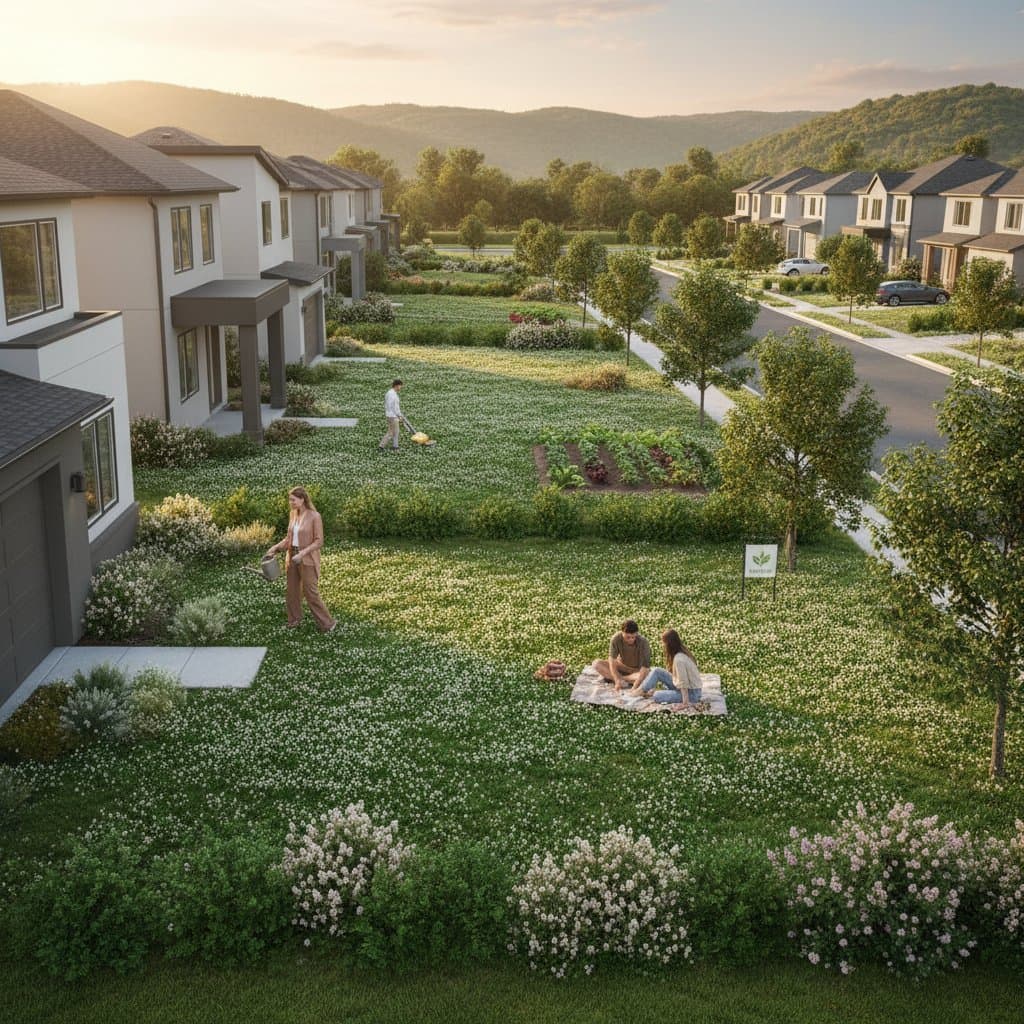
Clover Lawns Gain Traction as HOAs Relax Grass Mandates
Suburban landscapes are undergoing a subtle transformation. Homeowners associations, once rigid enforcers of uniform turfgrass, now permit clover lawns that prioritize resilience and efficiency. This shift benefits homeowners facing high water bills and labor-intensive upkeep, fostering yards that align with environmental goals and practical needs.
Reasons Clover Lawns Appeal to Homeowners
Clover lawns offer a blend of functionality and aesthetics suited to contemporary lifestyles. Unlike traditional turf, which demands weekly irrigation and chemical treatments, clover requires sparse watering and self-sustains through natural processes. In drought-prone areas, this translates to savings of up to 50 percent on seasonal water usage, based on regional conservation data.
As a nitrogen-fixing legume, clover captures atmospheric nitrogen and deposits it into the soil, eliminating the need for commercial fertilizers. This practice prevents nutrient runoff into local waterways and promotes robust yard health. The plant's plush texture provides a welcoming surface for barefoot walks, play, and pet activity, while its diminutive flowers and foliage evoke a serene, meadow-inspired vista that contrasts with rigid, high-maintenance designs.
Evolution of HOA Policies
Homeowners associations historically required manicured grass to maintain neighborhood uniformity and property values. This approach suited eras of abundant resources and low ecological scrutiny. However, escalating water costs, climate variability, and resident advocacy have prompted policy reviews.
Communities now value adaptive landscapes that incorporate drought-tolerant species and pollinator habitats. Petitions from eco-minded residents have led to guideline revisions, viewing diverse yards as assets that elevate collective curb appeal. Several associations distribute revised rules endorsing clover and native plants, with some providing rebates for conversions that reduce communal water strain.
Key Advantages of Clover Lawns
Clover lawns deliver concrete gains that influence household budgets and ecosystems.
Reduced Irrigation Needs
Clover's extensive root system accesses deeper moisture reserves, sustaining green coverage during heatwaves. Traditional lawns may require 1 to 1.5 inches of water weekly, whereas clover manages with half that amount in similar conditions.
Soil Enhancement
Nitrogen fixation by clover bolsters adjacent plants, leading to denser growth without supplements. This process strengthens soil aggregation over years, minimizing erosion and improving water retention across the property.
Integrated Pest Management
Beneficial insects drawn to clover, including predatory beetles and pollinators, naturally curb harmful pests. Homeowners avoid pesticide applications, cutting expenses and protecting non-target wildlife.
Durable Play Surface
The plant rebounds from compaction caused by foot traffic or games, maintaining even coverage. Its cushioning quality reduces injury risk for active families compared to harder, worn grass.
Persistent Greenery
Clover retains vitality through temperature extremes, avoiding the seasonal browning common in cool-season grasses. Periodic blooms in white or pink add understated visual interest without dominating the space.
Steps to Convert a Grass Lawn to Clover
Transitioning requires careful planning to achieve lasting results. Begin in early spring or fall when soil temperatures support germination.
Evaluate Existing Turf
Inspect for thin areas or invasives; solarize or till out unhealthy sections for a clean start. For viable grass, opt for overseeding to integrate clover gradually over one to two seasons.
Select Appropriate Clover Type
White clover suits naturalistic settings with its 4- to 6-inch height and frequent blooms. Microclover, with finer leaves and sparse flowers, mimics turf density, appealing to HOAs seeking refined aesthetics.
Condition the Ground
Test soil pH, aiming for 6.0 to 7.0; amend with lime if acidic. Aerate compacted zones and incorporate 1 inch of compost to foster root development.
Apply Seeds Uniformly
Use 2 to 4 ounces of seed per 1,000 square feet, broadcast via spreader for even distribution. Roll or tamp lightly, then irrigate shallowly daily for 10 to 14 days until sprouts emerge.
Nurture Initial Growth
Restrict access for four to six weeks post-germination. Mow at 3 inches once established, setting blades higher to preserve roots and limit reseeding from flowers if desired.
Integrating Clover with Existing Grass
A hybrid lawn combines clover's efficiencies with grass's familiarity. Sow clover at 10 to 20 percent of total seed mix to nourish turf via nitrogen transfer, filling gaps and stabilizing coverage.
This method complies with HOA standards for a groomed appearance while halving fertilizer needs. Monitor ratios annually; clover typically dominates in low-input scenarios, ensuring sustained vitality.
Resolving Typical Objections
Potential drawbacks warrant proactive strategies to ensure satisfaction.
Managing Pollinator Presence
Bees frequent blooming clover, but mowing every two weeks suppresses flowers effectively. Select low-bloom varieties or time cuts before peak activity to minimize encounters.
Handling Wear and Aesthetics
Clover withstands moderate use but may yellow under intense pressure; reinforce high-traffic zones with mulch paths. It resists staining better than grass, though light soils rinse easily with hose sprays.
Ongoing Upkeep
Trim three to four times yearly at 2 to 3 inches to control height. In winter, rake debris sparingly; the plant's dormancy phase demands no intervention.
Strategies for HOAs to Facilitate Adoption
Associations play a pivotal role in guiding sustainable shifts.
Establish Broad Criteria
Specify guidelines focused on 70 percent green coverage and neat edges, accommodating various low-water plants without prescribing species.
Offer Informational Support
Host sessions on installation techniques or distribute fact sheets highlighting water savings. Feature before-and-after photos from local successes to inspire participation.
Launch Trial Initiatives
Permit experimental areas up to 500 square feet for one year, evaluating outcomes before broader approval.
Implement Recognition Systems
Award certificates or small grants to adopters, fostering a culture of shared environmental progress.
Enduring Impacts of Clover Adoption
Clover lawns represent a strategic alignment of aesthetics, economy, and ecology. They lower utility costs by 30 to 50 percent in arid climates and contribute to watershed health by curbing fertilizer pollution.
Neighborhoods benefit from collective resilience against droughts, with yards that attract wildlife and require less municipal intervention. Homeowners gain leisure time, redirecting efforts toward enjoyment rather than toil.
Optimizing Your Clover Landscape
Established clover demands minimal oversight: aerate annually and overseed thin spots in autumn. Pair with drought-resistant borders like sedum or fescue for defined edges that amplify pollinator support.
Incorporate permeable pavers for pathways, enhancing drainage and usability. This setup creates inviting outdoor zones that endure seasonal changes while upholding community standards.