
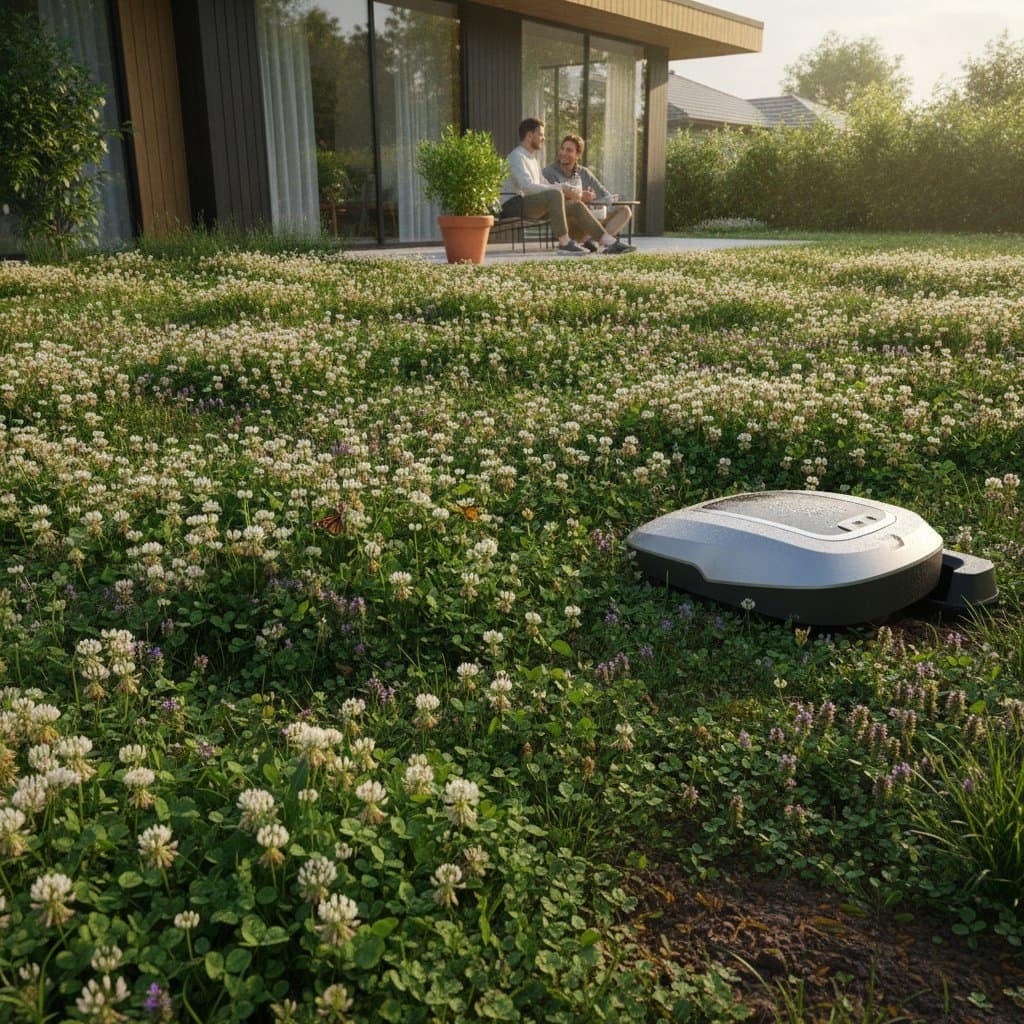
Clover Lawns: The Sustainable No-Mow Yard Solution
Imagine stepping barefoot onto a soft, green carpet that stays lush without constant mowing, watering, or fertilizer. That is the quiet charm of a clover lawn. For homeowners seeking a more sustainable, low-maintenance yard, clover offers a refreshing alternative to traditional grass. Its resilience, natural beauty, and ecological benefits fit perfectly with California dry climate and growing interest in water-wise landscapes.
A clover lawn is not just a trend. It is a practical, enduring solution that supports both your time and the planet resources.
Why Homeowners Are Turning to Clover
Traditional turf lawns demand water, fertilizer, and frequent mowing. In contrast, clover lawns thrive with less care while providing a healthy, green surface that feels welcoming underfoot. The shift toward clover comes from three main motivations: sustainability, time savings, and aesthetics.
Sustainability That Works in Real Life
Clover is a nitrogen fixer. It naturally enriches the soil by drawing nitrogen from the air and converting it into a usable form for plants. This reduces the need for chemical fertilizers, which can leach into groundwater or runoff into local waterways. In a state where water conservation is a daily conversation, using less fertilizer and irrigation is not just eco-friendly but also practical.
Time Savings Without Sacrificing Beauty
Homeowners who replace grass with clover quickly notice how little maintenance it needs. Clover grows low, around four to six inches, and does not demand weekly mowing. Many people simply give it a light trim once or twice a season to encourage even growth. Less mowing means fewer emissions from lawn equipment and more time to relax outdoors.
Aesthetic Appeal That Lasts All Year
Clover lawns maintain a vibrant green hue even during dry periods when grass often fades. The leaves natural sheen reflects light beautifully, creating a soft, inviting look. When white or pink blossoms appear, the effect is charming rather than messy, adding texture and seasonal interest.
Choosing the Right Type of Clover
Several clover varieties perform well as lawn replacements. The best choice depends on your region, soil type, and how you plan to use the space.
Microclover
Microclover is the most popular option for lawns because of its fine texture and compact growth habit. It mixes easily with turfgrass if you want a blended look, or it can stand alone as a full clover lawn. It tolerates moderate foot traffic and stays green with little water once established.
White Dutch Clover
White Dutch clover has a slightly larger leaf and grows taller than microclover. It suits larger, more naturalistic yards or spaces where you want a meadow-like feel. It spreads quickly and can fill in bare patches without re-seeding.
Strawberry Clover
This variety performs well in coastal regions or areas with heavier soil. It tolerates mild salinity and seasonal flooding, making it useful for low-lying parts of the yard where grass often struggles.
Preparing and Planting a Clover Lawn
Transitioning from a grass lawn to clover takes planning, but the process is straightforward. Preparation is key to ensuring the new lawn establishes evenly and thrives.
Clear the Old Lawn
Remove existing grass and weeds by solarizing, sheet mulching, or using a sod cutter. This step gives clover seedlings a clean start and prevents competition. Skip quick fixes like spraying herbicides, which can leave residues that inhibit future growth.
Loosen and Improve the Soil
Clover prefers well-drained soil with a neutral to slightly acidic pH. If your soil is compacted, loosen it with a garden fork or tiller. Incorporate compost to improve texture and enhance microbial activity. Since clover enriches the soil naturally, this early investment in quality soil pays long-term dividends.
Seed at the Right Density
Broadcast clover seeds evenly across the prepared area. A hand spreader ensures consistent coverage. Lightly rake the surface to cover the seeds with about a quarter inch of soil. Water gently to settle them in. Keep the soil evenly moist until seedlings appear, then gradually reduce watering as roots establish.
First-Year Care
During the first growing season, clover may appear patchy until it fills in. Resist the urge to over-seed too early. Once mature, it spreads by creeping stems that knit together into a dense, resilient mat.
Managing a Clover Lawn Over Time
Clover low-maintenance nature is one of its greatest advantages, but a few simple habits will keep it looking its best.
Watering
Once established, clover needs far less water than traditional grass. In most climates, rainfall alone is sufficient. During extended dry periods, give it a deep soak every few weeks rather than frequent light watering.
Mowing
Although clover is often called no-mow, an occasional trim helps maintain an even surface. Set your mower to a high setting to avoid cutting too low. Trimming once or twice a season also encourages new growth and prevents taller blooms from flopping.
Fertilization and Weeding
Skip the fertilizer. Clover already provides the nitrogen it needs. If weeds appear, pull them by hand. Over time, the dense clover canopy naturally suppresses most invasive species.
Pest Resistance
Clover attracts beneficial insects, including pollinators and predatory species that help control pests. Its natural resilience means fewer problems with disease or insect damage than turfgrass.
Blending Clover with Grass or Other Groundcovers
Some homeowners prefer a mixed approach, combining clover with drought-tolerant grasses or other groundcovers. This hybrid system can balance texture, durability, and appearance.
Clover-Grass Mix
Pairing microclover with a fine fescue blend creates a soft, varied surface that tolerates more frequent use. The clover keeps the area green through dry spells, while grass contributes structure and density.
Clover and Native Groundcovers
In California gardens, pairing clover with low-growing natives like yarrow, creeping thyme, or seaside daisy adds biodiversity and visual appeal. The combination reduces water use and supports pollinators throughout the year.
Ecological Benefits That Extend Beyond the Yard
Clover lawns do more than cut maintenance. They contribute to healthier ecosystems and more sustainable neighborhoods.
Soil Health
Clover root system improves soil structure and increases organic matter. It reduces erosion, enhances drainage, and supports microbial life. Over time, this creates a self-sustaining soil ecosystem that needs fewer inputs.
Biodiversity
The blossoms attract bees, butterflies, and other pollinators that many ornamental gardens depend on. While some homeowners worry about bees near play areas, trimming before peak bloom can balance beauty with safety.
Reduced Carbon Footprint
Less mowing, no fertilizer, and minimal watering all reduce the environmental costs associated with lawn care. Even small yards can make a difference when multiplied across a community.
Living with Your Clover Lawn
A clover lawn changes how you experience your outdoor space. It invites a slower rhythm, one defined by natural resilience rather than constant upkeep. The feeling underfoot is soft and springy, perfect for picnics, barefoot walks, or a quiet morning coffee outside.
Clover does have a few quirks. It can stain clothing a bit more easily than grass, and its blossoms may attract bees in bloom season. Yet these are small trade-offs for a yard that stays green through dry months, enriches the soil, and supports local pollinators.
For families, clover lawns can become part of a broader sustainable landscape strategy. Combine clover with native plant beds, permeable pathways, and shaded seating areas for a cohesive design that balances function and beauty.
Experiencing Daily Resilience
A clover lawn offers more than a no-mow solution. It represents a shift toward living landscapes that work with nature systems rather than against them. By choosing clover, you gain time, save water, and support the health of your soil and local environment.
As your clover fills in, you may notice fewer weeds, deeper green color, and an inviting softness that welcomes every step. It is proof that sustainable choices can be both practical and beautiful.