
Clover Lawns Surge 60%: Softer, Greener, Zero Fertilizer
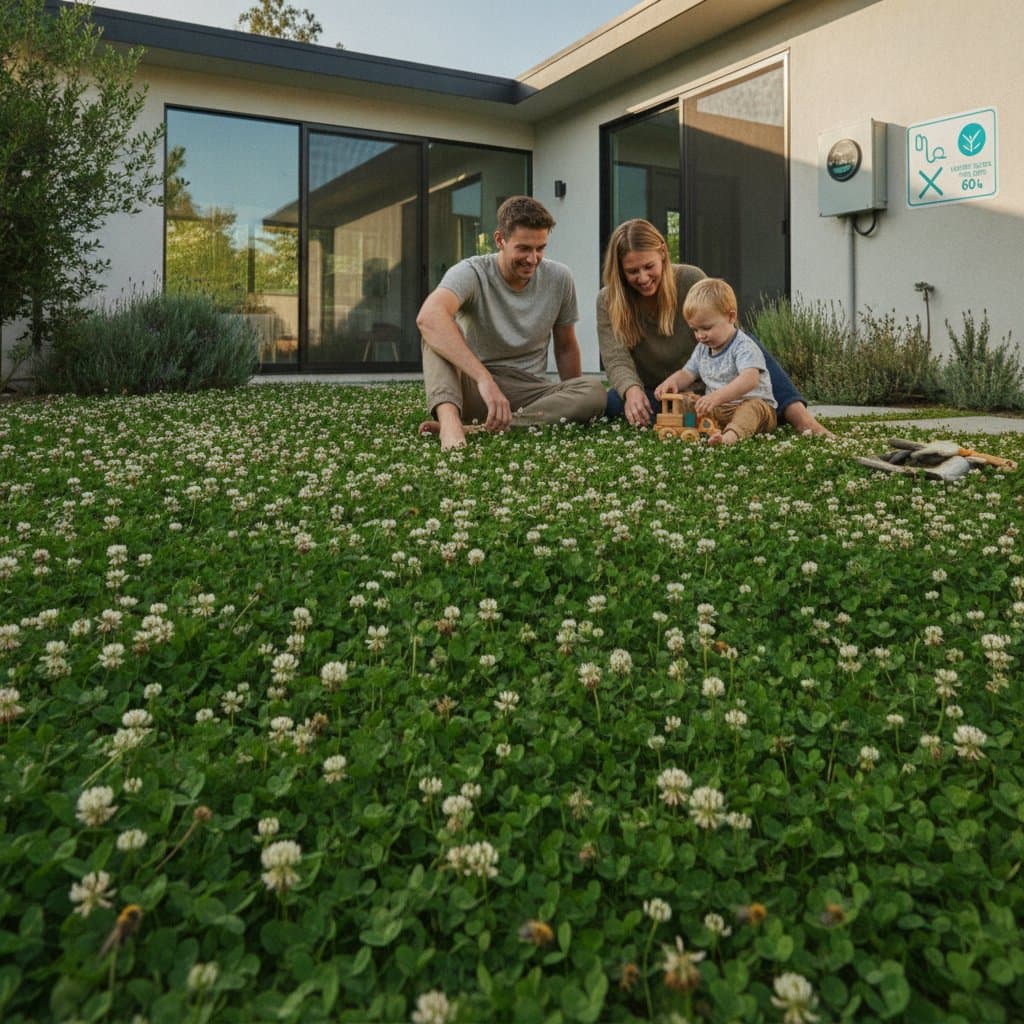
The modern lawn is changing quickly. Across California and much of the country, homeowners are rethinking the classic grass lawn in favor of something softer underfoot, greener through dry months, and far more sustainable. Clover lawns, once overlooked as a simple weed solution, are now rising as a top choice for eco-minded gardeners and designers. Homeowners are planting clover lawns at a rate roughly 60 percent higher than in past seasons.
For anyone tired of mowing, fertilizing, and worrying over brown patches, a clover lawn offers a refreshing alternative that feels good to walk on, looks beautiful, and supports pollinators without any synthetic inputs.
Why Clover is Reshaping the Modern Lawn
Traditional turf grass has long been prized for its uniform color and manicured appearance. Yet it demands constant attention. It needs regular mowing, irrigation, and chemical feeding to stay green through dry weather. Clover changes that equation entirely.
1. Built-in Fertility
Clover naturally fixes nitrogen in the soil. Its roots host beneficial bacteria that convert atmospheric nitrogen into a form plants can use. The result is a self-fertilizing system that nourishes itself and nearby plants without added chemicals. For homeowners, that means less expense, less time spent spreading fertilizer, and cleaner runoff for local waterways.
2. Greener Through Dry Spells
Clover stays green even when turf grasses fade. Its deep roots tap into moisture reserves that shallow grass roots cannot reach. This makes it an ideal choice for California dry summers or any region where water conservation matters. A patch of clover can remain soft and green through weeks of minimal watering, reducing irrigation needs by nearly half compared to conventional lawns.
3. Gentle Texture and Natural Beauty
Clover forms a fine, cushiony mat that feels soft under bare feet. It grows low, rarely exceeding a few inches in height, and has a naturally lush look that does not demand perfect uniformity. For families who use their lawns for relaxation and play, clover comfort and resilience are major advantages.
4. Pollinator Friendly
Few plants support bees as simply as clover does. Its small white or pink blossoms attract pollinators, which in turn help nearby fruit trees and vegetable gardens thrive. Homeowners can mow lightly to control flowering if they prefer a uniform look, or let a few blooms remain for seasonal biodiversity.
Choosing the Right Type of Clover
Not all clovers behave the same way. Choosing the right variety depends on your goals, climate, and the level of maintenance you prefer.
White Dutch Clover
This is the classic choice for lawns. It spreads evenly, grows low, and tolerates regular foot traffic. White Dutch clover works well as a full lawn replacement or as a living groundcover mixed with grass. Its small white flowers add a clean, meadow-like charm.
Microclover
Microclover is a modern variety bred for a finer texture and fewer flowers. It blends beautifully with turf grasses, giving a seamless green carpet that looks almost like a perfect lawn but requires far less care. Its smaller leaves make it ideal for homeowners who prefer a tidier aesthetic.
Strawberry Clover
This type tolerates more saline soils and is often used near coastal areas. It produces pinkish blooms and can handle heavier soils where other clovers might struggle.
A professional landscape designer can help select the right seed mix for your site, factoring in soil type, sunlight, and existing vegetation.
How to Establish a Clover Lawn
Creating a clover lawn is simpler than most homeowners expect. It can be done as a full replacement or as an overseeding project to supplement an existing grass lawn.
1. Prepare the Soil
Clover thrives in neutral to slightly acidic soil with good drainage. Begin by removing existing weeds or dead grass. Loosen the top few inches of soil with a rake or cultivator. If your soil is compacted, aerate it first to encourage root penetration.
2. Seed Selection and Application
Clover seed is small and should be broadcast evenly over the area. For full lawns, use about two ounces per thousand square feet. For overseeding, cut the rate in half. Mix the seed with sand for more even distribution, then rake lightly to ensure good soil contact.
3. Watering and Germination
Keep the soil lightly moist until seedlings appear, generally after one to two weeks. Avoid overwatering, which can wash away seed or encourage mold. Once established, clover requires far less irrigation than grass.
4. Early Maintenance
Limit foot traffic while the young plants establish roots. Mow lightly once clover reaches three to four inches, trimming just the top third of growth. This encourages lateral spreading and a dense mat.
5. Mixing with Grass (Optional)
Many homeowners blend clover with drought-tolerant grasses such as fescue or rye. This creates a hybrid lawn that maintains visual consistency while reducing water and fertilizer needs. The clover provides natural nitrogen for the grass, and the grass helps fill gaps during dormancy periods.
Common Concerns and Honest Trade-offs
Every landscape decision involves balance. Clover lawns solve many problems but also introduce a few considerations worth knowing before you plant.
Bee Activity
Clover blossoms attract bees, which is wonderful for the environment but may concern families with small children or allergies. Regular mowing before peak bloom can limit flowers while still keeping the soil benefits.
Foot Traffic Limitations
While resilient, clover is not as tough as Bermuda or tall fescue under heavy wear. For high-use areas such as sports zones or pet play spaces, consider stepping stones or a small patch of durable turf within a larger clover field.
Seasonal Variations
Clover may thin slightly during cold or extremely hot periods but typically re-establishes itself quickly. Mixing with a compatible grass can smooth out these seasonal fluctuations.
Seed Availability
With demand climbing rapidly, high-quality Microclover seed can sometimes be limited. Order early and confirm the supplier freshness date to ensure strong germination.
Long-Term Care and Maintenance
Once established, clover lawns are remarkably low-maintenance. They rarely require more than a few simple tasks each season.
Mowing
Clover can be left uncut for a natural look or mowed to about two inches for a neater appearance. Because it grows slowly, mowing is needed only a few times per season.
Fertilizer
Skip it entirely. Clover provides its own nutrients and enriches surrounding plants. If you have a mixed lawn, occasional compost top-dressing can support soil structure but is not essential.
Irrigation
During dry months, water deeply once every couple of weeks. The deep root system helps clover handle drought better than most grasses. Overwatering can actually weaken it by encouraging shallow roots.
Weed Control
A thick clover mat naturally suppresses weeds. If unwanted species appear, hand pulling is often enough. Chemical herbicides are not recommended, as they can harm the clover itself.
Reseeding
Every few years, overseed lightly to refresh density. This keeps the lawn lush and even.
Practical Next Steps
Switching to a clover lawn is not just a personal choice but an environmental statement. It reflects a shift toward more mindful landscaping that values sustainability, softness, and beauty without excess consumption. For homeowners in California and similar climates, the transition often feels liberating. Less mowing, fewer chemicals, and more time to enjoy the garden align perfectly with a lifestyle that embraces outdoor living and ecological balance.
Start small if you prefer. Convert a side yard or a sunny strip near your patio. Watch how it performs through the seasons. Most homeowners who try clover in one area end up expanding it across the property once they see the results. The texture, color, and resilience quickly win them over.
A well-established clover lawn does more than stay green. It enriches the soil beneath your feet, supports pollinators, and reduces your carbon footprint with every barefoot step. Whether you choose a microclover blend for a manicured look or a traditional white clover meadow for relaxed charm, the shift to this natural groundcover offers lasting returns.
The surge in clover lawns is not a passing trend. It represents a thoughtful evolution in how we define beauty and practicality in our landscapes.