
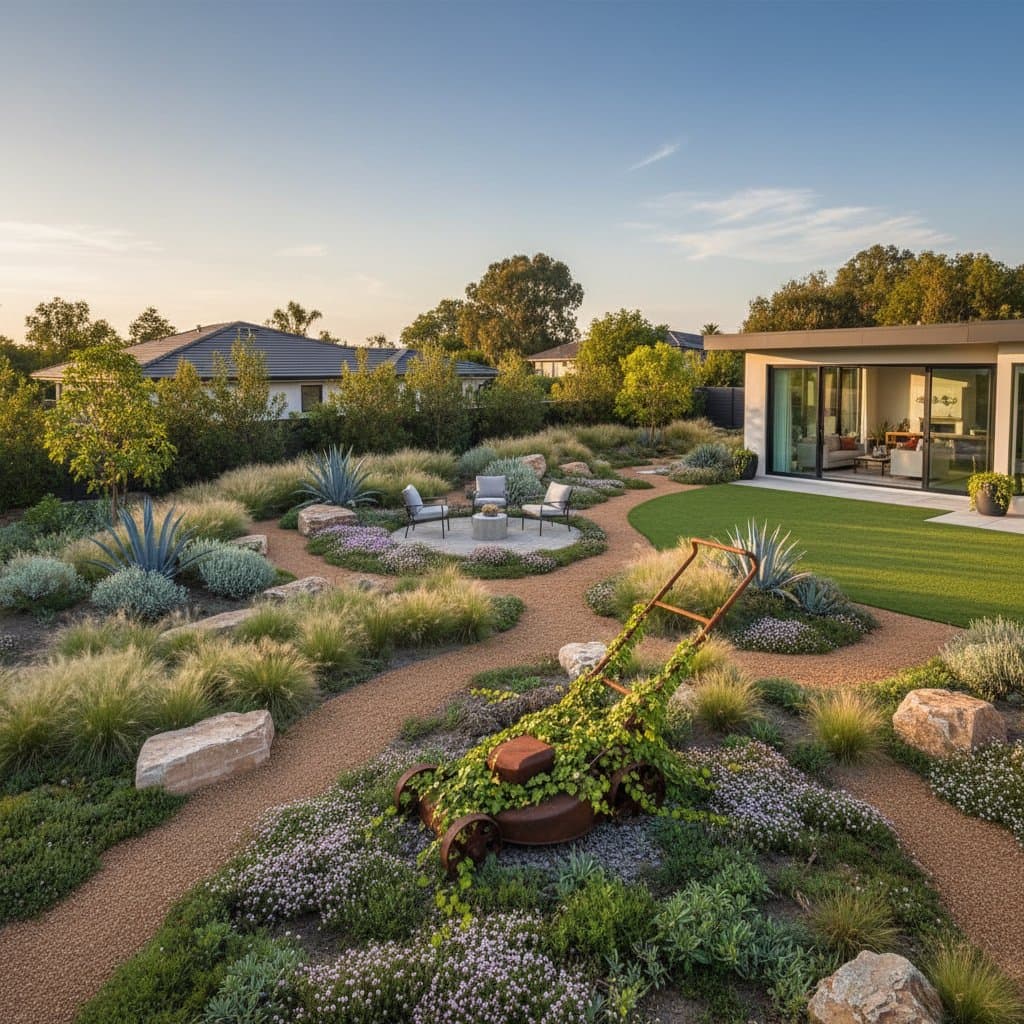
Drought-Tolerant Lawn Alternatives That Reduce Mowing by 90 Percent
California landscapes face intense sun and frequent water limits, making traditional turf a burdensome choice. Lawns demand constant attention, consume vast amounts of water, and require weekly maintenance that strains both time and resources. A shift to drought-tolerant options transforms this routine, slashing mowing demands by up to 90 percent while preserving an attractive, textured outdoor area.
These alternatives maintain the essence of a lawn through resilient, low-growing plants that provide softness, color, and ecological benefits. They support pollinators, stabilize soil, and adapt to regional conditions. The approach involves selecting plants aligned with local climate and personal needs, ensuring a space that remains inviting without excessive effort.
Step One: Define the Purpose of Your Lawn
Assess the role of the area before selecting replacements. This choice guides plant selection and layout decisions.
-
Recreation and Play
Prioritize tough varieties that withstand trampling and rebound swiftly from use. -
Visual Greenery
Emphasize ornamental qualities such as varied hues, textures, and year-round appeal over resilience. -
Erosion Control or Ground Coverage
Select deep-rooted, spreading plants ideal for inclines or exposed borders to secure soil effectively. -
Wildlife Support
Opt for indigenous plants that bloom and produce seeds to draw insects, birds, and other beneficial creatures.
This evaluation prevents mismatched plantings and unnecessary investments in support systems like extensive watering setups.
Step Two: Select Drought-Tolerant Plant Options
Choose from proven varieties that thrive in arid settings. Each offers unique advantages in maintenance, aesthetics, and functionality. Consider sun exposure, soil type, and traffic levels when deciding.
1. Native Grasses and Buffalo Grass
Indigenous grasses such as California fescue or buffalo grass form natural meadows with minimal intervention. They develop extensive root systems that access deep moisture, staying green through dry spells. These options require mowing only two to three times per year and enhance biodiversity by supporting local wildlife.
Maintenance tip: Allow growth to 4 to 6 inches before trimming to promote healthy root development and reduce water loss.
2. Kurapia Groundcover
Kurapia creates a thick, evergreen mat suitable for moderate activity. It endures light foot traffic, blooms with delicate white flowers to aid pollinators, and suppresses weeds after establishment. Irrigation needs drop significantly once rooted, often to one deep watering per month in summer.
Maintenance tip: Shear lightly once or twice each year to control height and clear faded flowers, avoiding frequent cuts.
3. Sedge Meadows
Sedges provide a soft, grass-like appearance with superior drought resistance. Varieties like carex species form tufted clumps that blend into meadow designs, tolerating partial shade and requiring no mowing after initial setup. They excel in erosion-prone areas and maintain color through mild winters.
Maintenance tip: Divide overcrowded patches every few years to sustain vigor and prevent bare spots.
4. Clover and Microclover Mixes
White clover or microclover varieties enrich soil by capturing atmospheric nitrogen, reducing fertilizer reliance. They remain lush with sparse watering, handle occasional play, and outcompete weeds through dense growth. Flowering periods attract beneficial insects without compromising the lawn's uniformity.
Maintenance tip: Trim monthly during active growth seasons, then permit blooming in drier periods to benefit pollinators.
5. Thyme and Creeping Herbs
Creeping thyme, oregano, or chamomile suit full-sun, low-traffic zones with their aromatic foliage and negligible height. These herbs form durable carpets, release pleasant scents underfoot, and demand no routine mowing. Summer blooms add purple or white accents, enhancing visual interest.
Maintenance tip: Prune gently post-bloom to encourage fresh growth and eliminate leggy stems.
Step Three: Prepare and Plant Your New Lawn
Proper installation ensures long-term success. Begin by evaluating soil conditions and clearing existing turf.
Remove old grass through solarization or manual extraction to minimize regrowth. Amend soil with organic matter to improve drainage and nutrient retention, especially in clay-heavy areas. Plant during mild seasons, spacing according to species guidelines—typically 6 to 12 inches apart for groundcovers.
Water consistently at first to establish roots, then taper to match plant tolerances. Mulch lightly around new plantings to conserve moisture and deter weeds. This phase, lasting 4 to 8 weeks, sets the foundation for reduced maintenance.
Step Four: Manage Growth and Mowing
Strategic care keeps the area tidy with minimal effort. Focus on timing and technique to support plant health.
- Establish height targets. Buffalo grass thrives at 4 inches, while sedges suit taller profiles for a wilder aesthetic.
- Employ sharp equipment. Clean blades prevent damage to foliage, which can invite disease in stress-prone plants.
- Retain clippings. They break down rapidly, recycling nutrients and eliminating synthetic fertilizer needs.
- Modify watering post-trim. Lower heights decrease evaporation, allowing further irrigation reductions.
Understand each plant's cycle to transform mowing into infrequent maintenance rather than a regular task.
Step Five: Establish Irrigation and Early Care
Efficient watering is crucial during the first year. Design a system that delivers deep, infrequent applications to encourage robust roots.
Install drip lines or soaker hoses to target roots directly, avoiding foliage wetting that promotes fungal issues. Monitor soil moisture with a probe, aiming for dry surface layers while keeping deeper zones hydrated. Adjust based on weather, reducing frequency as plants mature.
Protect young areas from heavy use until fully rooted. This investment yields a self-sustaining landscape that withstands drought with ease.
Step Six: Ensure Long-Term Success
These lawns develop over time, responding to environmental shifts. Ongoing assessment maintains balance and vitality.
- Check for weeds promptly. Established natives resist incursions, but initial monitoring curbs problems.
- Apply mulch yearly. It preserves humidity, blocks weeds, and regulates soil warmth.
- Evaluate watering systems. Seasonal tweaks prevent excess moisture that harms drought-adapted plants.
- Limit traffic in wet weather. Saturated ground compacts easily, even under resilient covers.
View the space as an evolving ecosystem. Attentive, light-touch management fosters resilience and beauty across seasons.
Cultivate a Sustainable Outdoor Haven
Transitioning from conventional turf to drought-tolerant alternatives delivers practical advantages and aesthetic rewards. Savings in time, water, and costs accumulate quickly, while the yard retains vibrancy amid challenging conditions. Selections like flowing native grasses, sturdy Kurapia, or scented thyme align with California's dynamic environment, yielding weekends free for enjoyment rather than labor.