
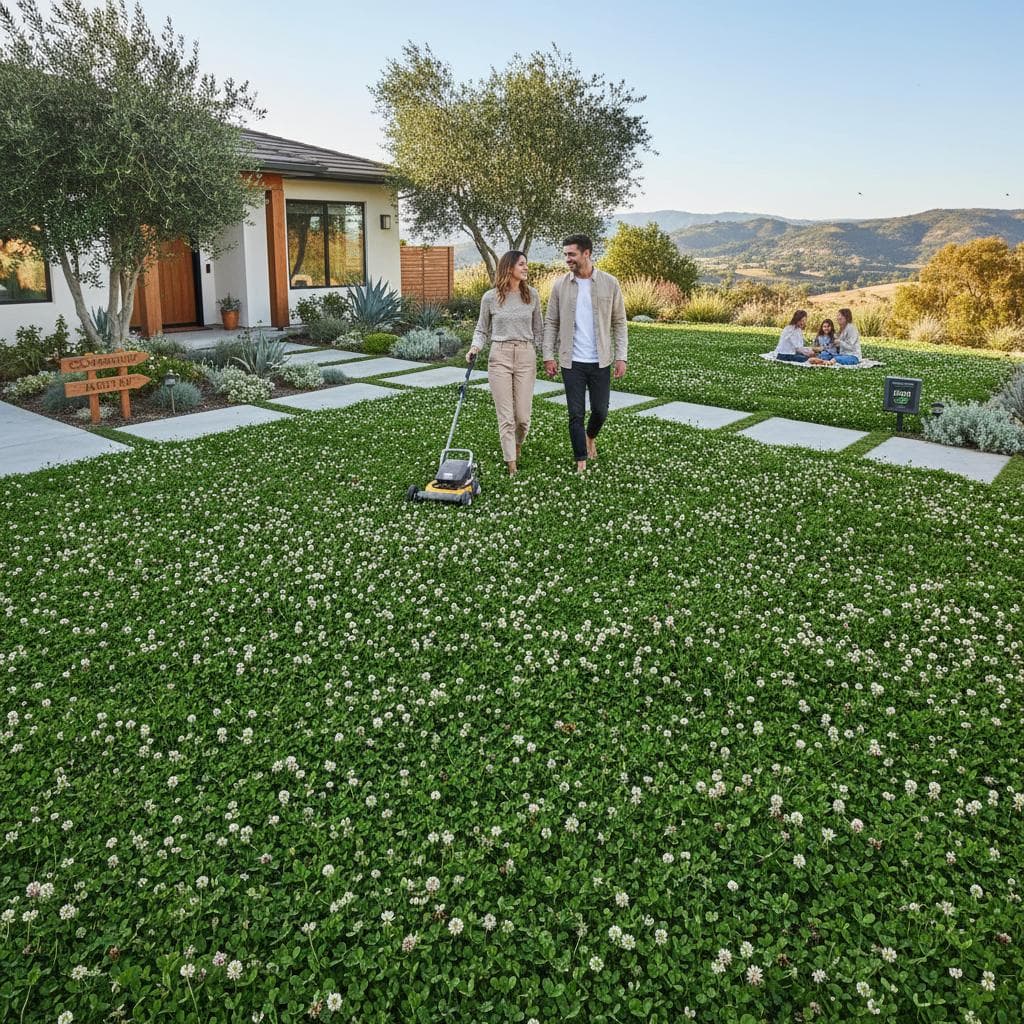
Why 60% of Homeowners Switched from Grass to Clover Lawns
The iconic green lawn long represented suburban ideals, yet surging water expenses, erratic weather patterns, and increasing focus on environmental stewardship prompt a major shift. In communities nationwide, over half of homeowners now opt for clover lawns in place of conventional grass. This transition extends beyond visual appeal. It embodies a commitment to sustainability, enhanced soil vitality, and effortless outdoor maintenance. Clover lawns gradually alter perspectives on yard design among Californians and other environmentally minded residents.
The Practical Allure of Clover Lawns
Clover draws attention through its robust functionality. It remains verdant through much of the year, withstands dry conditions, and flourishes in nutrient-poor soils. Grass often requires frequent irrigation and nutrient supplements, whereas clover captures nitrogen from the atmosphere to naturally fertilize the earth. Homeowners thus diminish reliance on synthetic fertilizers while enjoying a dense, plush surface.
Families and pet owners appreciate the gentle, padded quality of clover underfoot. It endures moderate trampling more effectively than numerous grass types and rebounds swiftly from wear. The delicate white or pink flowers summon helpful insects, infusing vitality into the yard without fostering harmful pests that harm vegetation.
Environmental and Cost-Saving Advantages
Standard lawns demand substantial water and chemical applications. Clover alters this dynamic significantly. Its extensive root system preserves soil dampness, thereby slashing irrigation requirements by up to 75% in many regions. Where water preservation ranks high, such as in drought-prone California, this adjustment conserves thousands of gallons each year per household.
Clover lawns further lower expenses related to equipment and effort. Growth occurs at a measured pace, necessitating mowing only every few weeks rather than weekly. Numerous owners limit cuts to four or five instances per season, freeing hours for leisure or home improvements. Decreased dependence on fertilizers and weed killers also prevents chemical runoff into waterways. In the long term, these practices foster robust local habitats that support indigenous flora and essential pollinators.
Selecting the Ideal Clover Variety
Clover lawns demand careful variety selection to match specific conditions. Popular choices encompass:
- White Dutch Clover: This low-stature option provides a soft ground cover, suitable for complete lawn substitution or blending with existing grass. It maintains a compact form and requires infrequent trimming.
- Microclover: Featuring petite leaflets and minimal blooms, this modern cultivar appeals to those seeking a refined, even surface. It merges seamlessly with turf for a harmonious blend.
- Strawberry Clover: Reaching modest heights and adapting to saline or compacted soils, this selection fits seaside lots or heavy clay terrains.
Factors like regional weather, ground composition, and desired style guide the decision. In California's varied Mediterranean zones, white Dutch and microclover deliver reliable performance across seasons.
Installation and Design Guidance
Establishing a clover lawn involves straightforward steps with preparation yielding optimal results. First, eliminate current grass and weeds using a sod cutter or natural smothering method. Till the upper soil layer to a depth of two to three inches for aeration.
Clover seeds sprout effectively in raked, evenly dampened earth. To achieve consistent distribution, combine seeds with fine sand or aged compost prior to broadcasting at a rate of one pound per 1,000 square feet. Initiate gentle watering daily for the initial two to three weeks to nurture young plants. Mature clover demands little intervention beyond occasional checks for bare spots.
It adapts to dappled sunlight, though ample exposure promotes denser coverage. Integrate with drought-tolerant natives or accent grasses to enhance diversity and curb appeal. Such pairings yield an evolving tapestry that shifts gracefully through seasonal changes.
Addressing Frequent Hesitations
Prospective adopters sometimes worry about insect attraction or untidy aesthetics. Clover flowers indeed lure bees, yet these pollinators prove gentle and vital for garden productivity. To prioritize safety during playtime, schedule mowing just prior to flowering peaks, which confines bee presence.
Regarding upkeep, intentional design counters any perception of disorder. Frame the lawn with defined borders of gravel paths or compact shrubs to impart order. Weekly edge trimming preserves crisp lines, balancing the organic allure that defines clover's appeal.
Embracing the Rewards of a Clover Lawn
A thriving clover lawn integrates seamlessly into daily life as a resilient, inviting feature. It weathers arid periods without faltering, hosts buzzing pollinators, and tempers the hardness of hardscapes like walkways. Owners report reallocating maintenance time toward family gatherings or quiet reflection outdoors.
For advocates of green practices, clover represents more than a grass substitute. It invests in enduring soil fertility, resource efficiency, and aesthetic harmony. From modest entryways to expansive estates, this choice paves a viable route to vibrant, undemanding landscapes. Ultimately, it redefines the essence of a California yard: lively, sustainable, and inherently nurturing.