
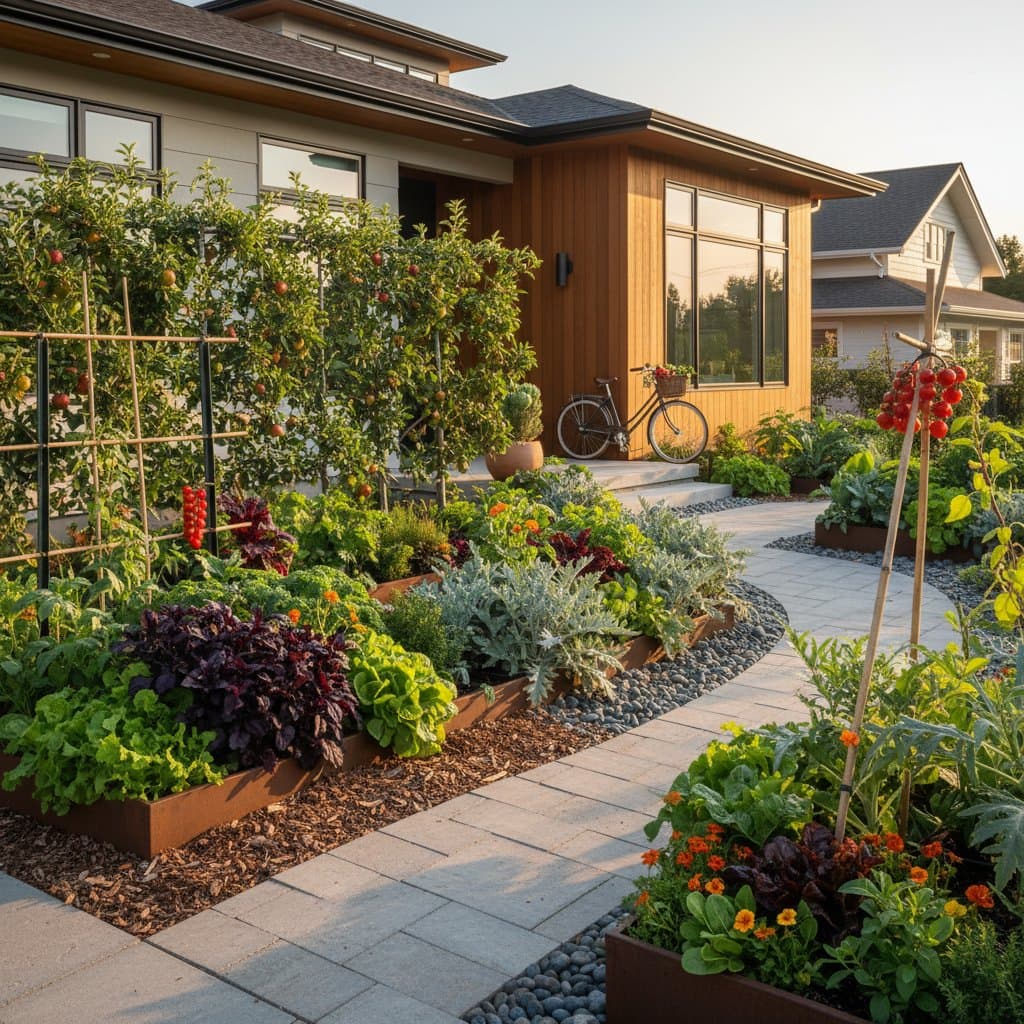
Edible Front Yard Gardens Raise Home Value 15%
A well-designed edible front yard garden represents more than a trend. Homeowners throughout California and other regions recognize that a productive and attractive landscape serves as a financial asset. Research from real estate professionals and horticulture specialists indicates that such gardens, when planned and maintained with care, increase a home's value by up to 15 percent. This boost stems from enhanced curb appeal, sustainable practices, and the appeal of self-sufficiency in outdoor spaces.
Why Edible Front Yards Gain Popularity
Traditional lawns symbolize suburban ideals, yet they demand substantial water, fertilizers, and upkeep. Edible gardens transform these areas into functional food sources. Fruit trees, herbs, and vegetables deliver vibrant colors, varied textures, and pleasant scents, all while cutting grocery expenses and water usage. Prospective buyers seek properties that embody environmental responsibility and efficient luxury, and a vibrant edible garden aligns seamlessly with those preferences.
These landscapes convey worth through their utility. A front yard featuring citrus trees or elevated beds of leafy greens implies dedicated land stewardship. Such features foster community ties, which both buyers and neighbors value. The sight of precisely bordered strawberry patches or kale rows matches the elegance of purely decorative plantings, and the resulting produce engages sight, smell, and savings.
Achieving Balance Between Aesthetics and Yield
Edible landscapes avoid the appearance of haphazard farm plots. Effective design weaves food-producing plants into the garden's overall framework. Visual elements like color, shape, and texture hold equal importance to productivity. A unified arrangement ensures the space appears deliberate and polished.
- Establish a strong framework. Incorporate walkways, borders, and distinct planting areas for structure. Gravel paths or decomposed granite surfaces simplify upkeep and contrast nicely with dense greenery.
- Arrange plants by stature. Position fruit trees or vertically grown beans to form an upper layer, place mid-height bushes such as blueberries or rosemary in the central band, and use ground-level herbs or greens for the base.
- Combine decorative and productive plants. Selectives like artichokes, multicolored Swiss chard, and violet basil provide striking leaves. Integrate blooming companions, including lavender or marigolds, to draw beneficial insects and repel harmful ones.
- Focus on seasonal variety. In temperate areas, choose plants that ripen at different times. This approach maintains productivity and visual appeal across months.
Strategies for Lasting Value and Durability
An edible front yard evolves into a worthwhile investment through robust design and low-maintenance features. Buyers prefer enduring beauty over temporary setups. Careful foresight allows the garden to develop elegantly and stay manageable for years.
Prepare the soil thoroughly. Nutrient-dense, healthy earth promotes strong plant growth and limits reliance on synthetic additives. On-site composting recycles waste to nourish the beds naturally. Install efficient watering systems. Concealed drip irrigation under mulch cuts water loss and keeps leaves dry to avoid illnesses. Automated timers adapt to rainfall and temperature shifts for optimal use.
Select appropriate plants. Opt for types adapted to regional climates, particularly those resistant to dry conditions with little watering. California's favorable options include citrus, figs, pomegranates, and olives, alongside drought-hardy herbs like thyme, oregano, and sage. Steer clear of pest-prone varieties that necessitate repeated treatments, as such practices undermine the garden's eco-friendly ethos.
Harmonizing the Garden with Home Design
The front yard garden must enhance the residence without overshadowing it. Unity guides the process. Geometric elevated beds with straight edges suit contemporary architecture by echoing its minimalism. For bungalow or craftsman homes, flowing edges and wooden elements evoke warmth and natural flow. Choose materials like local stone, repurposed bricks, or coated metal borders to mirror the house's exterior features.
Coordinate hues to integrate the garden fully. Rich green leaves complement beige walls, while gray-green herbs and pale blooms accent timber or masonry surfaces. Incorporate lighting strategically. Ground-level path illuminators or tree uplights prolong the garden's allure after dark and add sophistication.
Controlling Expenses and Maximizing Benefits
Developing an edible front yard proves cost-effective with deliberate steps. Many start by reworking one area before scaling up. Blending expert advice with personal effort produces superior outcomes. Professionals handle layout and plant harmony, while owners manage planting and gathering.
Upfront expenses cover soil enhancements, watering setups, and bed construction. These outlays yield returns via lower utility costs, decreased food spending, and elevated property worth. Real estate experts note that buyers view such gardens as indicators of meticulous care. A thriving setup implies similar attention to the home's interior and systems.
Nurturing Ongoing Garden Success
Sustained care ensures an edible front yard delivers rewards beyond initial efforts. Prune regularly, rotate crops by season, and refresh soil to sustain output. Use kitchen remnants and prunings for compost, minimizing waste. Gathering produce turns into a shared activity that educates on food origins and sparks interactions with passersby.
As the garden develops, it transcends ornamentation. It fosters pride, provides sustenance, and exemplifies eco-conscious living that benefits the environment and daily life. Plant by plant, this approach demonstrates how thoughtful planning cultivates both aesthetic appeal and practical rewards from shared ground.