
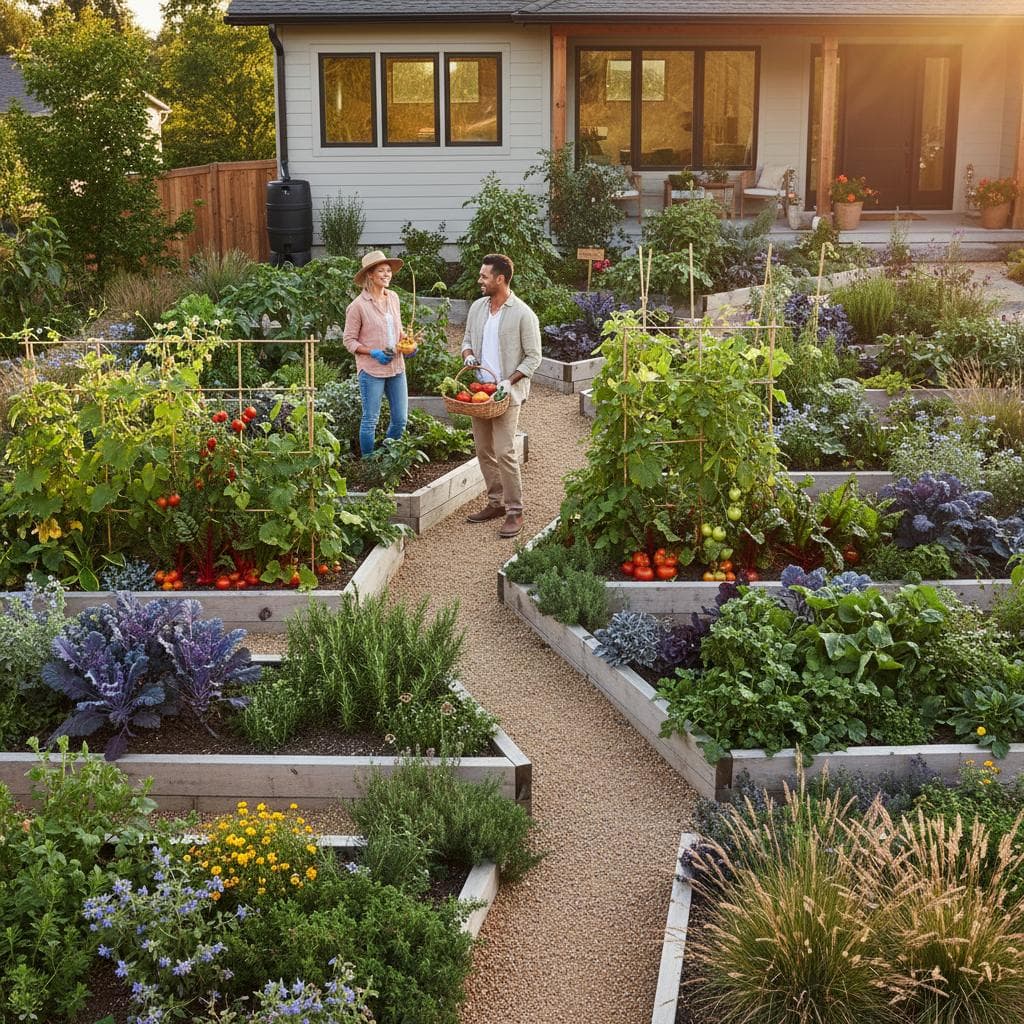
Front Yard Farms: Slash Grocery Bills with Edible Landscaping
Transform a traditional lawn into a productive front yard farm. This approach reduces grocery expenses, conserves resources, and boosts property aesthetics. Homeowners discover joy in harvesting fresh produce from their own spaces while contributing to sustainable living.
Edible landscaping integrates food-producing plants into ornamental designs. Front yards serve as ideal locations due to their sunlight exposure and visibility. Begin by evaluating local climate and soil conditions to select suitable crops.
Planning Your Edible Front Yard
Start with a thorough assessment of the available space. Measure the area and note sunlight patterns throughout the day. Consider soil type, drainage, and any existing features like walkways or trees that might influence plant choices.
Identify goals for the garden. Determine whether the focus lies on vegetables, fruits, herbs, or a combination. Factor in family preferences and dietary needs to ensure the garden provides practical value.
Research local regulations. Some communities impose restrictions on front yard gardening. Contact municipal offices to confirm permissible activities and avoid potential issues.
Selecting Climate-Smart Crops
Choose plants adapted to your region's growing conditions. In temperate zones, opt for kale, lettuce, and strawberries, which thrive in cooler weather. Warmer climates suit tomatoes, peppers, and citrus varieties that require more heat.
Prioritize perennials for long-term savings. Blueberries, asparagus, and rhubarb return year after year with minimal replanting. Annuals like beans and radishes offer quick harvests to supplement immediate needs.
Incorporate pollinator-friendly options. Lavender and borage attract bees, enhancing overall garden productivity. These choices support biodiversity while adding visual appeal.
- Vegetables: Carrots, beets, and Swiss chard grow well in raised beds.
- Fruits: Dwarf apple trees or berry bushes fit compact spaces.
- Herbs: Basil, mint, and rosemary provide fresh flavors for cooking.
Designing for Productivity and Beauty
Create a layout that balances function and form. Position taller plants like corn or sunflowers at the back to avoid shading shorter crops. Use curving paths to guide visitor flow and highlight focal points.
Incorporate sustainable design elements. Mulch beds to retain moisture and suppress weeds. Install drip irrigation systems to deliver water efficiently directly to roots.
Blend edibles with ornamentals for curb appeal. Intersperse colorful vegetables among flowering perennials. This technique creates a cohesive landscape that impresses neighbors and passersby.
Sustainable Practices in Action
Build soil health through composting. Add kitchen scraps and yard waste to create nutrient-rich amendments. Test soil pH annually and adjust with lime or sulfur as needed.
Conserve water with xeriscaping principles. Group plants by water requirements to optimize usage. Rain barrels capture runoff for irrigation during dry periods.
Encourage community involvement. Share excess produce with neighbors to foster goodwill. Participate in seed swaps or garden tours to exchange knowledge and resources.
- Sketch a scale drawing of the yard.
- Mark planting zones based on sun exposure.
- Allocate space for pathways and access points.
Planting and Maintenance Essentials
Prepare the site by removing grass and weeds. Till the soil lightly or use sheet mulching to smother turf without heavy digging. Amend with organic matter to improve fertility.
Plant during optimal seasons. Spring suits cool-season crops, while summer favors heat-tolerant varieties. Space plants according to mature sizes to prevent overcrowding.
Maintain the garden with regular care. Water deeply but infrequently to promote strong roots. Weed promptly and prune as plants grow to maintain shape and health.
Harvesting and Preservation Tips
Harvest at peak ripeness for best flavor. Pick leafy greens frequently to encourage regrowth. Store root vegetables in cool, dark places to extend usability.
Preserve surplus through simple methods. Freeze berries or can tomatoes for year-round access. Dry herbs to create a pantry staple without refrigeration.
Monitor for pests naturally. Introduce beneficial insects like ladybugs to control aphids. Use row covers to protect against larger threats without chemicals.
Rotate crops annually to prevent soil depletion. Alternate plant families in the same spots each year. This practice sustains yields and reduces disease risks.
Overcoming Common Challenges
Address shade issues with shade-tolerant edibles. Spinach and mint perform well under partial cover. Reflect light with white gravel or mirrors if needed.
Manage space constraints creatively. Vertical gardening with trellises supports climbing peas and cucumbers. Container planting utilizes edges and corners effectively.
Budget wisely for startup costs. Start small with seeds rather than transplants. Propagate cuttings from friends' gardens to expand without expense.
Reap the Rewards of Your Front Yard Harvest
A well-managed front yard farm yields fresh, organic produce that trims grocery bills significantly. Families report savings of hundreds of dollars annually through homegrown staples. Beyond finances, the garden promotes healthier eating habits and physical activity.
Enhance community ties through visible, sharing-oriented designs. Neighbors often express admiration and curiosity, sparking conversations about sustainability. This visibility inspires others to adopt similar practices.
Experience the satisfaction of self-sufficiency. Watch plants mature from seedlings to bountiful harvests. Celebrate each season's offerings as a testament to thoughtful planning and dedication.