
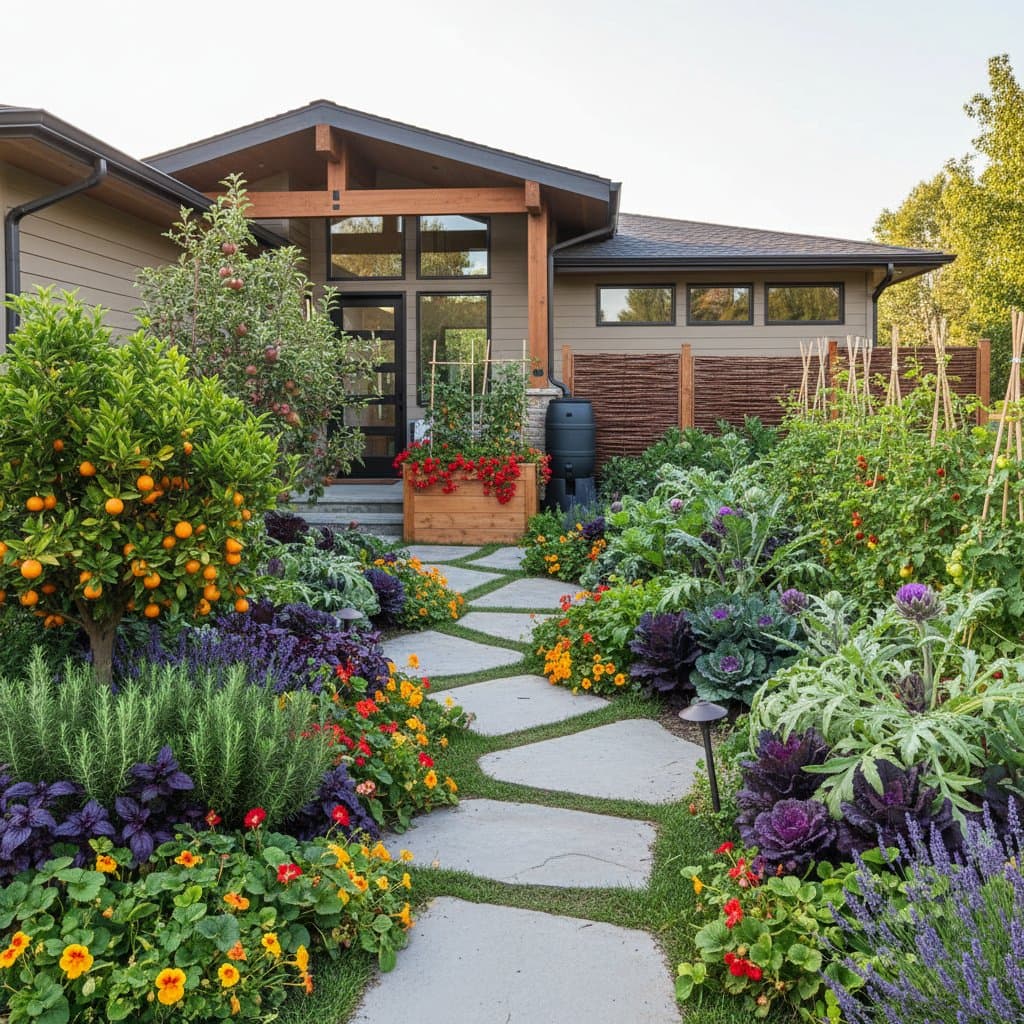
Front Yard Edibles That Slash Grocery Bills
A well-designed front yard serves more than ornamental purposes. It functions as a productive space that proves both beautiful and economical. By incorporating edible plants, homeowners reduce grocery expenses, ensure fresher produce, and preserve curb appeal. Thoughtful design integrates aesthetics with utility, creating a landscape that appears deliberate and welcoming while supplying kitchen essentials.
Why Edible Landscaping Makes Sense
In California neighborhoods, landscape choices often prioritize water conservation, visual appeal, and functionality. Edible landscaping aligns with these priorities. It substitutes water-intensive lawns with beneficial plants, shortens food transportation distances, and delivers fresh flavors directly to the home.
Even modest front yards yield herbs, salad greens, and seasonal vegetables that might otherwise require store purchases. Beyond financial benefits, harvesting ingredients from one's own yard fosters a profound sense of accomplishment. Homeowners manage soil inputs, minimize packaging waste, and align meals with natural seasonal rhythms. Proper planning transforms the space into an elegant garden rather than a mere vegetable plot.
Designing for Beauty and Productivity
Approach the design of an edible front yard like any decorative landscape. Establish structure first, then arrange plants according to height, texture, and color. Treat the yard as a dynamic composition where productivity complements visual harmony.
- Define zones. Pathways, raised beds, or low borders organize planting areas for tidiness and ease of access.
- Select a focal point. A fruit tree, trellis, or upright herb such as rosemary offers height and persistent shape.
- Mix textures and colors. Pair leafy greens with silvery herbs and vibrant vegetables to create engaging contrasts.
- Plan for succession. Select crops with staggered maturity dates to maintain fullness throughout the seasons.
An intentionally designed edible front yard adheres to community standards for appearance. The outcome resembles a refined Mediterranean courtyard or charming cottage garden, far from a basic farm setup.
Fruit Trees: High Yield, Low Maintenance
Fruit trees represent one of the most rewarding additions to a front yard. A single dwarf citrus or fig tree yields dozens of pounds of fruit annually. Choose varieties adapted to local microclimates, and prune regularly to control size and form. In coastal regions with mild weather, citrus, pomegranate, and guava thrive. Inland areas suit stone fruits like peach, apricot, or plum.
To promote tree health and productivity:
- Apply deep, infrequent watering to encourage strong roots.
- Mulch the base with organic material to conserve moisture and limit weed growth.
- Thin developing fruit early to enhance quality and avoid branch damage.
- Apply compost or organic fertilizer one or two times yearly for nutrient balance.
Ornamental options such as olive or loquat trees contribute edible elements while providing elegant, sculptural presence.
Herbs and Greens That Double as Ornamentals
Herbs stand out as versatile elements in edible landscaping. Compact, aromatic, and verdant, they adapt well to containers or borders. Many varieties tolerate drought, making them suitable for California front yards.
Recommended selections include:
- Rosemary for upright form and scent.
- Oregano and thyme as low-growing covers.
- Basil, parsley, and chives for dense, green edges.
- Lavender and sage for vivid accents and pollinator attraction.
Leafy greens offer decorative potential as well. Varieties of kale and chard display bold colors, while lettuces form neat, rounded shapes. Integrate them among blooms or in raised beds to form soft, productive borders. Frequent harvesting stimulates new growth and maintains plant neatness.
Vegetables That Look Great Up Front
Certain vegetables possess inherent ornamental qualities. Proper selection and placement allow them to blend into front yard designs. Notable examples include:
- Tomatoes supported by cages or trellises, which introduce height and vivid fruit displays.
- Peppers with lustrous leaves and radiant, gem-colored fruits.
- Eggplants featuring polished foliage and purple blooms comparable to decorative flowers.
- Artichokes that deliver bold architecture through expansive leaves and dramatic blooms.
Arrange vegetables in clusters instead of straight rows. This approach yields a natural, landscaped effect and facilitates companion planting for pest management. For instance, position basil alongside tomatoes to enhance taste and repel pests; intersperse marigolds among peppers for color and nematode deterrence.
Water Efficiency and Soil Health
A properly planned edible front yard conserves water effectively. Install drip irrigation or soaker hoses to target roots and reduce evaporation. Group plants with similar hydration requirements for streamlined watering. Apply mulch such as wood chips or straw to retain soil moisture and control weeds.
Robust soil underpins economical, bountiful gardening. Add compost routinely to improve texture and nutrient content. Steer clear of synthetic fertilizers that harm soil vitality over time. Opt for organic options like worm castings or seaweed extracts to sustain equilibrium.
Blending Edibles with Ornamentals
An all-vegetable front yard risks appearing uneven or functional only. Combining edibles with non-edible plants achieves balance. Ornamental grasses complement herbs and fruit shrubs seamlessly. Blooming species draw pollinators that boost crop yields. Perennials such as echinacea or yarrow occupy spaces between vegetables, refine borders, and prolong seasonal appeal.
For unified aesthetics:
- Echo colors or forms throughout the yard to establish rhythm.
- Employ uniform pots for herbs and produce near entrances.
- Position taller elements at the rear or sides to prevent shading of lower plants.
For a formal look, install low hedges or stone borders around edible sections. These features underscore purposeful landscaping over haphazard growth.
Keeping It Productive All Year
Effective management ensures an edible front yard yields throughout much of the year. Rotate crops with the seasons and replenish soil after each cycle. Fast-maturing greens occupy voids left by slower vegetables. Perennial herbs, fruit trees, and berry bushes offer steady output when annuals conclude.
Incorporate a compost bin or worm tower in an unobtrusive spot if space permits. This system recycles yard nutrients and kitchen scraps. Place a rain barrel under a downspout to capture rainwater for irrigation during arid spells.
Harvesting Rewards Season After Season
An edible front yard garden rewards patience and attention with increasing benefits over time. Soil quality enhances, plants establish stronger roots, and yields grow more abundant. Initial efforts in planning and maintenance convert a prominent property area into a vibrant food producer that elevates visual charm.
Begin modestly, perhaps with select herbs or one fruit tree, and build gradually. Every enhancement delivers fresh tastes alongside tangible economies.