
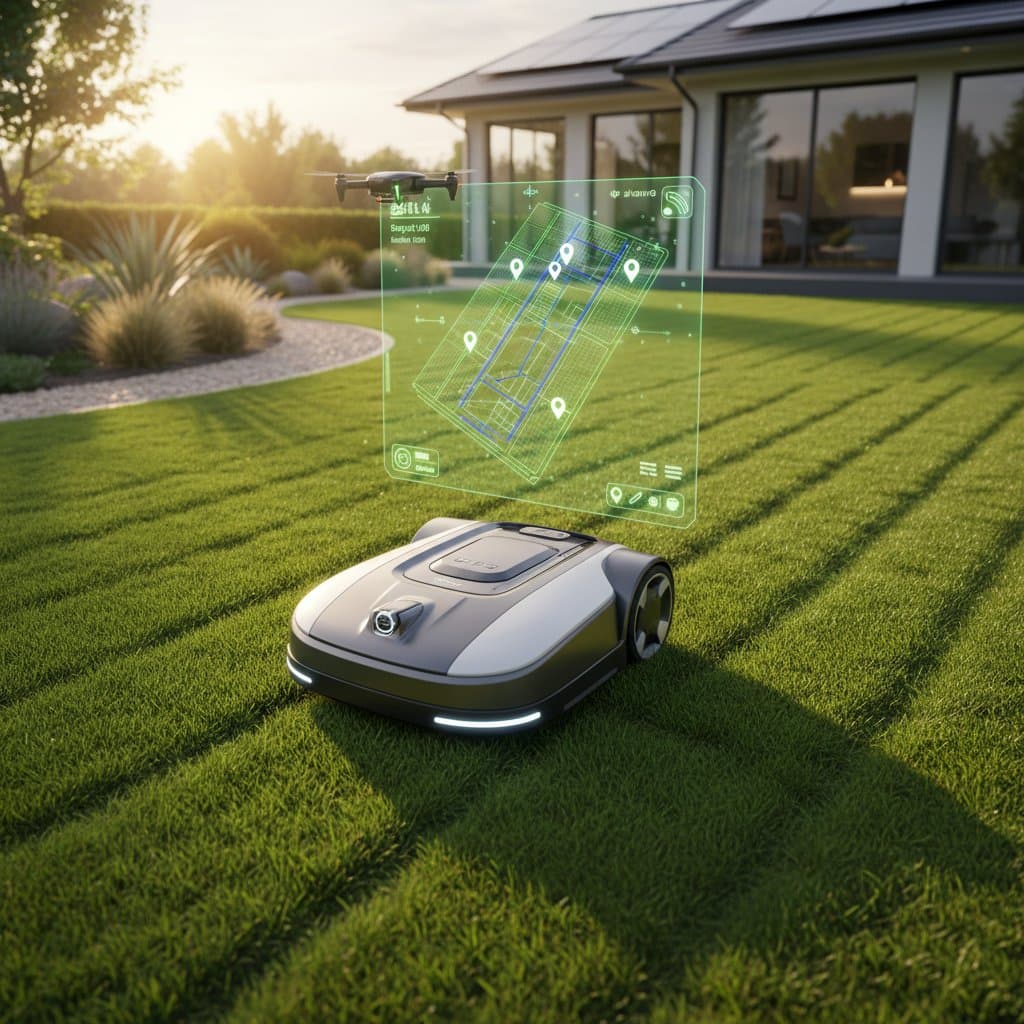
GPS Robotic Mowers: Precision Lawn Care by 2026
Homeowners often face the challenge of maintaining a pristine lawn amid busy schedules. GPS-guided robotic mowers address this by operating autonomously with satellite precision. These devices promise not only convenience but also enhanced landscape health and reduced environmental footprint.
Core Technology Driving Autonomous Mowing
GPS-guided mowers rely on satellite signals, integrated mapping software, and environmental sensors to navigate lawns without supervision. They differ from older models by generating detailed digital representations of the yard, noting mowed areas, fixed obstacles, and charging points for seamless resumption.
This capability minimizes overlooked sections and optimizes energy use. Users control operations via mobile applications, setting schedules, modifying blade heights, or monitoring activity from anywhere. The system adapts to specific yard features, such as inclines, walkways, and planted borders, ensuring accurate performance over time.
Key Benefits of Adopting GPS Mowers
GPS mowers offer distinct advantages that appeal to residential and professional users alike.
-
Significant Time Efficiency
After initial setup, the mower runs without intervention. This frees up weekly hours, particularly in peak growth months, as it performs brief, regular cuts to maintain even grass length. -
Uniform Lawn Appearance
Precise navigation covers the yard comprehensively, avoiding the uneven patches common with manual methods. The mapping process handles irregular shapes effectively, resulting in a professionally groomed look consistently. -
Eco-Friendly Operation
Battery operation eliminates fuel emissions and maintenance hassles. Frequent light cuts leave small clippings that decompose into soil nutrients, decreasing reliance on synthetic fertilizers and fostering natural turf vitality. -
Minimal Noise Levels
Electric drives generate little sound, enabling operation at flexible times without neighbor complaints. This suits urban or community settings where quietude matters. -
Enhanced Safety Features
Sensors identify and avoid objects like animals or equipment, halting blades upon detection of lifts or tilts. Robust, weatherproof builds withstand exposure to sunlight and precipitation, ensuring reliable service.
GPS Mowers Versus Conventional Mowers
Gas mowers have long provided robust cutting power, yet they require ongoing upkeep, including fuel management and noise mitigation. Electric corded versions reduce emissions but restrict mobility due to wiring constraints.
GPS robotic mowers merge superior independence with clean energy, surpassing gas models in sustainability and electric ones in hands-free functionality. Initial expenses may exceed traditional options, but savings in fuel, repairs, and labor recover costs quickly. Mid-tier models suit standard residential lots, while premium versions manage expansive or segmented areas, proving valuable for commercial applications through dependable output and workforce reductions.
Selecting an Optimal GPS Mower Model
Choose based on yard specifics to maximize effectiveness.
-
Coverage Capacity: Verify the manufacturer's rated area; select a model with 20 percent excess capacity to accommodate rapid growth.
-
Surface Adaptability: Opt for units with strong grip and flexible chassis if dealing with gradients exceeding 15 degrees.
-
Durability in Elements: Prioritize models with UV-resistant coatings and sealed components for sunny or humid climates.
-
Power Duration: Larger batteries support extended sessions on big properties; fast-recharge options work well for compact spaces.
-
Digital Integration: Seek apps that enable real-time oversight, custom zoning, and remote adjustments.
Evaluate vendor support for servicing and upgrades. Routine tasks like blade swaps and software refreshes sustain peak condition with minimal effort.
Resolving Typical User Questions
Concerns about over-cutting or boundary issues arise frequently, yet advanced GPS units manage these adeptly. Supplement with manual edging tools for borders if needed; the steady routine prevents turf stress from abrupt changes.
Regarding power, lithium batteries deliver multi-hour runtime and auto-dock for recharging, with replacements lasting several years. Theft deterrence comes via built-in location tracking, facilitating retrieval beyond yard limits.
Promoting Sustainability Through Smart Mowing
Eco-aware gardeners in water-scarce regions value how GPS mowers conserve resources. Their methodical approach stimulates robust roots and improved hydration retention. Decomposed clippings serve as organic fertilizer, curbing water loss and enhancing ground fertility.
This practice yields thicker grass that withstands pests and drought better. Electric usage cuts carbon output, while subdued sounds preserve community harmony. Such investments align with long-term ecological and economic priorities for property enhancement.
Integrating GPS Mowers into Daily Routines
Post-setup, the mower integrates smoothly, its soft operation blending with ambient yard sounds. Owners report greater leisure in outdoor areas, shifting focus from chores to enjoyment.
For expansive sites, combine with automated watering and nutrient monitors to form comprehensive systems. This setup ensures daily pristine conditions without manual involvement.
Achieving Resilient, Vibrant Landscapes
Consistent GPS mowing builds lawn durability against weather shifts. Expect denser growth and fewer interventions as the technology evolves toward climate-responsive features and broader smart home compatibility. Implementing a GPS mower now establishes a foundation for enduring, low-effort garden excellence.