
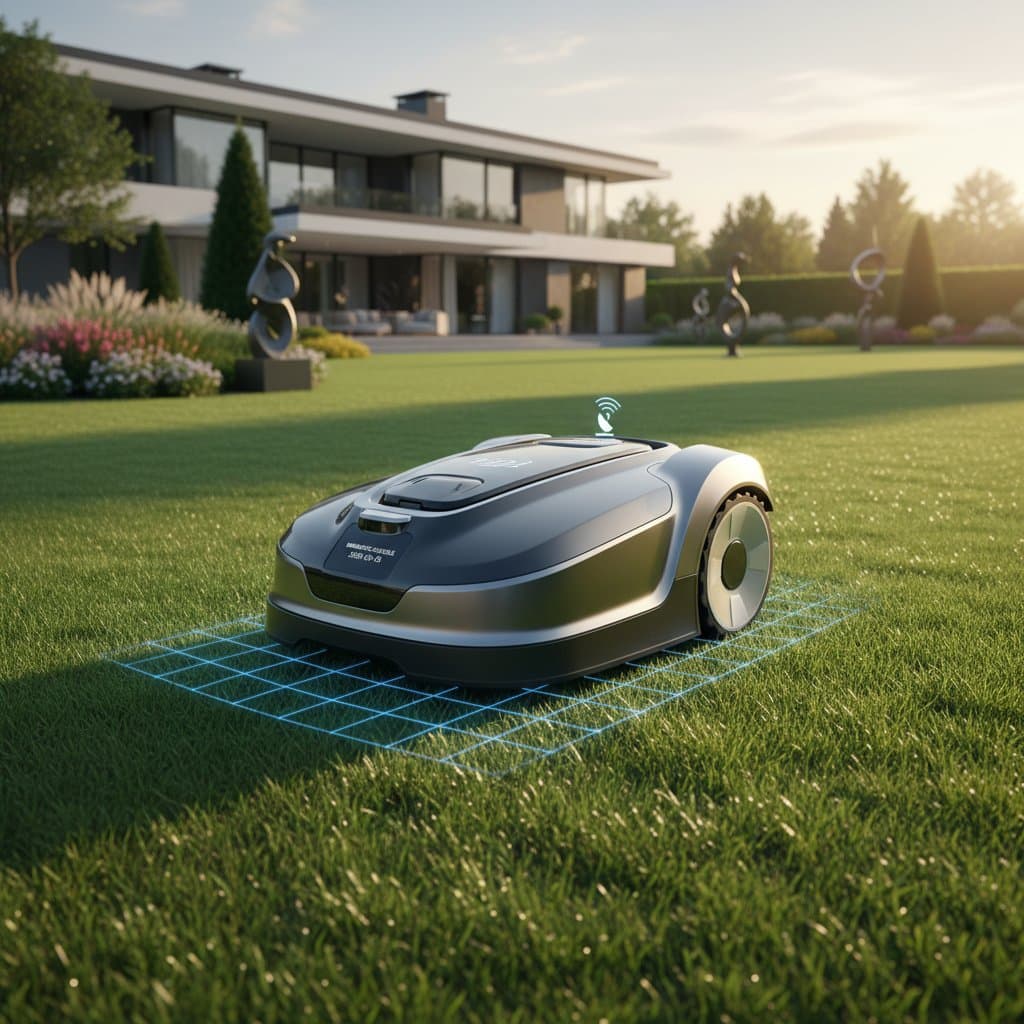
The Evolution of Lawn Maintenance: GPS Robotic Mowers
A well-maintained lawn reflects thoughtful stewardship of outdoor spaces. Traditional methods require significant time for mowing, trimming, and debris removal. GPS robotic mowers shift this dynamic by delivering precise, reliable care that suits homeowners and landscape professionals alike.
Key Overview
Application Areas: Homes and commercial sites
Suitable Scales: From compact city yards to expansive suburban fields
Environmental Fit: Effective in moderate and warmer climates
Primary Objective: Achieve uniform lawn health with reduced hands-on involvement
1. Establish Boundaries Using Satellite Guidance
GPS robotic mowers rely on satellite signals to create virtual perimeters, eliminating the need for physical boundary wires. The device generates a detailed digital map of the designated area, allowing it to navigate complex layouts without deviation.
This approach prevents common issues such as wire damage or frequent adjustments. The mower maintains clean edges and avoids intrusions into flower beds or pathways. Landscape architects appreciate how this precision accommodates innovative designs, including winding borders and integrated hardscapes.
One designer notes, "Precise navigation respects the intended layout, enhancing rather than limiting creative possibilities."
Visual Highlight: GPS technology confines the mower to its virtual boundary, following garden contours with exactness.
2. Implement Intelligent Scheduling for Discreet Operation
These mowers function at low noise levels, typically under 60 decibels, comparable to a quiet conversation. Such discretion enables regular sessions without interrupting daily activities or nearby residents.
Regular, light cuts promote thicker grass growth and minimize thatch accumulation, fostering a resilient turf. This practice supports varied yard usage, as mowing can occur during off-peak hours to preserve spaces for gatherings or recreation.
A maintenance expert observes, "Automated scheduling ensures the lawn remains pristine, even during extended absences."
Visual Highlight: Nighttime operation trims the grass silently, preserving daytime tranquility.
3. Adopt Eco-Conscious Practices in Turf Management
Powered by rechargeable batteries, GPS mowers produce zero emissions and operate with minimal sound. The mulching blades finely chop clippings, which decompose to enrich the soil with natural nutrients and decrease reliance on chemical fertilizers.
Owners benefit from lower fuel costs and reduced waste, as clippings stay on-site to improve soil quality over seasons. This method aligns with contemporary design principles that emphasize environmental responsibility alongside aesthetic appeal.
A horticulture professional states, "Micro-cuts facilitate nutrient recycling, benefiting the turf and ecosystem alike."
Visual Highlight: Shredded clippings integrate into the lawn, naturally nourishing the roots.
4. Connect Seamlessly with Home Automation Networks
Compatibility with smartphone applications allows remote oversight of operations. Users define custom zones, establish mowing frequencies based on seasons, or direct the unit to its charging station via simple commands.
Data logging tracks usage patterns, enabling adjustments for factors like rainfall or sunlight exposure. In broader systems, integration with irrigation or lighting controls creates coordinated outdoor management.
A technician comments, "This connectivity aligns maintenance with specific site needs, streamlining overall care."
Visual Highlight: Mobile interface displays the mower's position and charge level in real time.
5. Navigate Challenging Terrains and Expansive Areas
Advanced models manage divided zones, inclines up to 45 degrees, and barriers such as shrubs or patios. Satellite routing adapts to surface variations and vegetation density, ensuring comprehensive coverage.
Such versatility cuts down on supplemental edging and reconfiguration efforts while distributing wear evenly across the grass. For larger installations, multiple units can operate concurrently, each adhering to assigned paths.
A property overseer explains, "Coordinated robots cover vast areas efficiently, simulating a dedicated team without the overhead."
Visual Highlight: Paired mowers traverse adjacent sections of a broad lawn in unison.
Integrating Technology into Everyday Landscapes
After setup, these mowers blend into routine property care, sustaining lawn vitality without disruptive interventions. Grass develops denser coverage, borders remain defined, and outdoor areas gain enhanced usability.
Homeowners reclaim leisure time previously spent on upkeep, while professionals achieve dependable outcomes with fewer interventions. This integration elevates landscapes where innovation quietly enhances enduring appeal.