
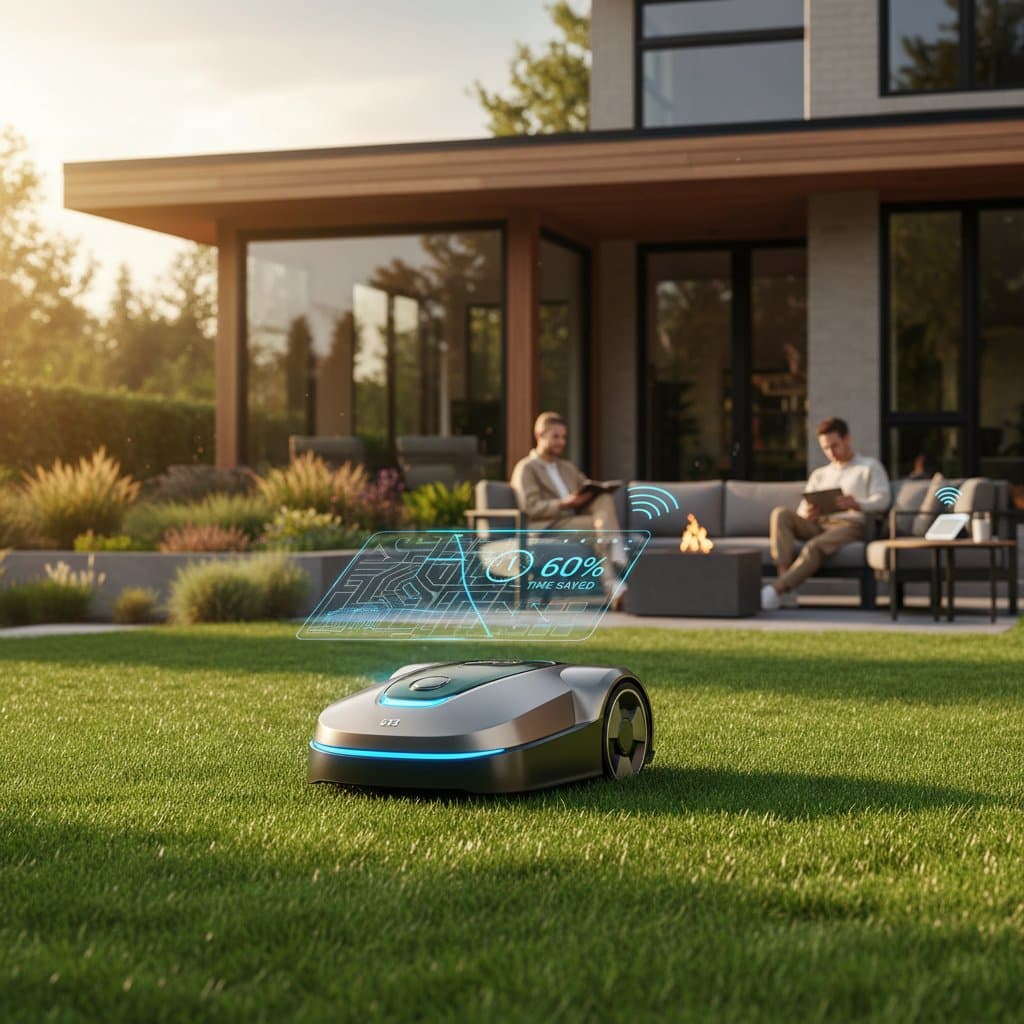
Reclaim 60% of Your Mowing Time with GPS Robotic Mowers
A well-maintained lawn reflects dedication to outdoor spaces. Yet the weekly ritual of pushing a mower can quickly turn tedious and time-consuming. GPS robotic mowers change this routine entirely. They deliver professional-level cuts while releasing hours for family gatherings, gardening projects, or simple relaxation in the yard.
These advanced tools go further than basic automation. They enable homeowners to create sustainable landscapes that require minimal hands-on effort. With built-in GPS technology, the mowers navigate complex yards, remember key features, and adapt to unique terrain for consistent results.
How GPS Robotic Mowers Work
GPS robotic mowers use satellite signals to create detailed maps of your property and follow precise paths. Unlike older models that wander randomly, these units log every movement and optimize future routes. This method ensures even grass heights, reduces missed spots, and cuts down on redundant passes.
A landscape technician explains, "GPS mapping lets the mower move with purpose, not luck. Each cut counts toward a flawless finish."
Integrated sensors detect objects like toys or garden tools and reroute instantly. This design eliminates the need for perimeter wires, which often clutter edges in traditional robots. Users can define multiple zones, such as a front lawn and backyard, and set individual schedules to match usage patterns.
Key functional benefit: Saves time through efficient routing and simple setup.
Design consideration: Cleaner yard edges without wires allow for flexible planting and hardscaping.
Practical example: On a typical suburban lot divided by a driveway, the mower treats the spaces as separate zones, mowing the front on Mondays and the back on Wednesdays.
Mapping Your Yard for Precision
Effective GPS mowers start with a thorough scan of your property. During setup, walk the mower along the edges to record boundaries, inclines, and fixed obstacles like trees or fences. Once complete, the system stores this data for autonomous operation on every run.
A garden designer points out, "This mapping creates a virtual plan of your space. It ensures no area goes overlooked, even in tricky layouts."
Many models pair with smartphone apps for fine-tuning. Adjust mowing heights for different grass types, pause operations during parties, or check progress from anywhere. These tools also track battery life and suggest optimal charging times.
Key functional benefit: Provides uniform care across uneven or multi-level yards.
Design consideration: Mapping reveals yard challenges, like shaded spots or wet areas, informing future improvements.
Practical example: For a hilly backyard with flower borders and retaining walls, the mower skirts sensitive plants and focuses on open turf, maintaining safety and coverage.
Connecting to Your Smart Home Ecosystem
Modern GPS robotic mowers integrate smoothly with popular smart home platforms like Google Home or Amazon Alexa. Through dedicated apps, schedule cuts around your calendar, receive alerts for low battery, or view live camera feeds if equipped. Built-in weather APIs pause mowing during rain to protect grass roots and prevent mud tracking.
A smart home technician notes, "This connectivity keeps everything running smoothly. The mower adapts to real-world conditions without constant checks."
Energy efficiency stands out as another advantage. The units dock automatically for recharges and resume work seamlessly, often completing full cycles overnight. This hands-off approach minimizes electricity use while maximizing uptime.
Key functional benefit: Enables remote control and automated responses for effortless management.
Design consideration: Linking lawn care to home automation creates a cohesive, tech-forward property.
Practical example: Set the mower to run at dusk, with connected pathway lights activating to guide it back to the base.
Managing Expansive or Intricate Landscapes
For larger properties, such as acre estates or community green spaces, GPS mowers scale effectively. Deploy fleets of two or three units, each assigned to a sector like a side yard or play area. Shared GPS data coordinates their efforts, avoiding overlaps and ensuring complete coverage.
A property maintenance lead shares, "Multiple mowers cut total time in half and deliver consistent results. They work together like a team, covering more ground smarter."
This setup suits athletic fields, golf course fringes, or oversized residential plots needing stripe patterns or edge trimming. Precision guidance maintains sharp lines along sidewalks and beds.
Key functional benefit: Handles big spaces with minimal oversight and labor.
Design consideration: Zone-based planning supports themed landscapes, like formal front areas versus casual rear zones.
Practical example: In a yard split by patios and hedges, assign one mower to the lawn panels and another to perimeter grass, following custom daily or weekly routines.
Ensuring Safety and Long-Term Performance
Safety remains paramount in GPS robotic mower design. Proximity sensors stop blades if the unit encounters a child, pet, or garden hose. Tilt or lift detection triggers an instant shutdown, while GPS-enabled geofencing keeps the mower within defined areas.
A service expert confirms, "Today's mowers balance advanced navigation with family-friendly safeguards. They navigate smartly but always prioritize protection."
Reliability comes from durable builds and easy upkeep. Swap blades every few months using basic tools, and clean debris from wheels weekly to prevent clogs. Most models include anti-theft features like app-based locking and location pings.
Key functional benefit: Builds trust for use around homes with kids or animals.
Design consideration: Safety integrations allow bolder automation without compromising peace of mind.
Practical example: In a pet-filled yard, the mower halts and alerts your phone if a dog approaches, resuming only after the path clears.
Unlock More Time for What Matters in Your Yard
GPS robotic mowers fit quietly into daily life, operating with a soft whir that blends into background sounds. Schedule them for off-peak hours to avoid interrupting barbecues or quiet evenings. Over time, users report lawns that look professionally tended with far less effort.
This shift frees weekends for creative pursuits, such as installing rain gardens or hosting outdoor movies. Professionals redirect saved hours to detailed pruning or soil enhancements that elevate the entire landscape.
In the end, these mowers turn maintenance into a background task. Your outdoor haven stays vibrant and inviting, ready for play, gatherings, or peaceful retreats without the weekly grind.