
Why 60% of Homeowners Switched to Robotic Mowers
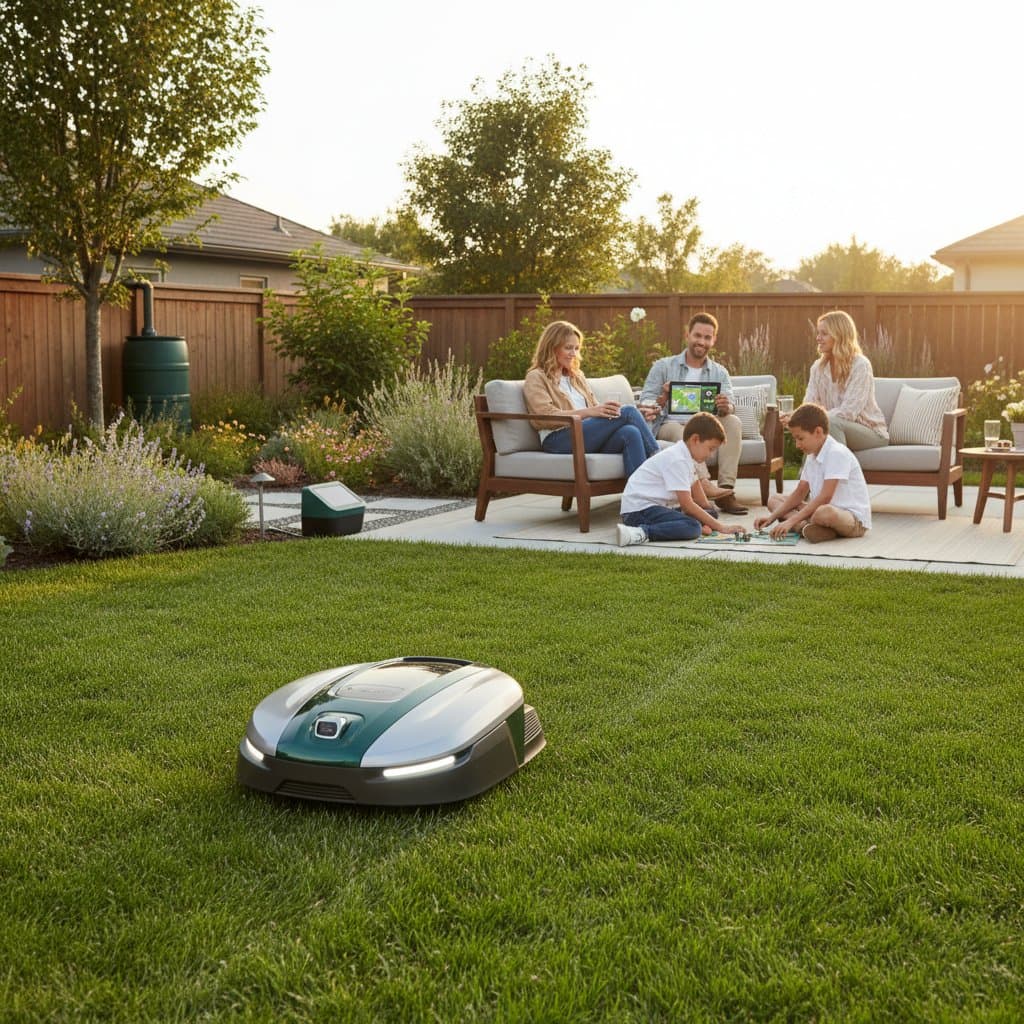
Mark and Dana Lewis sought a way to maintain a vibrant lawn without dedicating weekends to manual labor. They joined a growing number of homeowners who selected robotic mowing solutions to achieve precise results and reclaim personal time. This technology transforms routine yard work into an automated process that aligns with modern lifestyles.
A Smarter Approach to Lawn Maintenance
Homeowners nationwide increasingly opt for robotic mowers over conventional gas models. This transition accelerates as users recognize the substantial time efficiencies. Robotic mowers operate on a frequent schedule, removing only small amounts of grass per pass. The resulting clippings fall back to the soil, where they decompose and enrich the turf naturally.
Mark shared, “I used to spend hours mowing every weekend. Now the mower runs while I am at work, and the lawn always looks freshly cut.”
To optimize performance, position the charging station in a shaded area near the lawn's center. This setup allows the device to access the entire yard efficiently and recharge during off-peak hours.
Quiet Operation and Reliable Coverage
Homeowners often express surprise at the minimal noise from robotic mowers. Electric motors generate a soft hum comparable to background conversation levels. Such quiet functionality enables operation at dawn or dusk without disrupting neighbors or family members.
Programmed paths ensure uniform mowing patterns and comprehensive coverage that manual efforts rarely match. Sensors detect obstacles and boundaries, adapting to complex landscapes. For instance, the IntePra R-Series employs advanced edge detection to avoid damaging flower beds or uneven terrain.
When battery levels drop, the mower navigates back to its station autonomously. After recharging, it resumes the cycle seamlessly, maintaining consistent lawn health throughout the week.
Durable Design and User-Friendly Features
Contemporary robotic mowers prioritize longevity and simplicity in upkeep. Exteriors feature UV-resistant polymers that withstand sun exposure and weather variations. Blades, crafted from stainless steel, include self-sharpening mechanisms to sustain sharp cuts over extended periods.
Homeowners can adjust cutting heights to suit seasonal needs, such as lower settings for lush summer growth or higher ones during droughts. This flexibility supports diverse grass types and climate conditions.
Integration with mobile applications enhances control. Users monitor battery status, set custom schedules, and track the mower's location via GPS. Dana commented, “I like being able to adjust the schedule if we are having guests. It is as simple as changing a setting on my phone.”
For installation, define boundaries with perimeter wire or virtual mapping. Test the system on the first run to confirm navigation accuracy, then refine zones as needed for optimal results.
Environmental Advantages and Cost Savings
Robotic mowers contribute to sustainability through rechargeable lithium-ion batteries. These eliminate the need for gasoline, oil, or frequent engine servicing, while reducing noise and emissions. The ongoing light trimming encourages denser grass roots and diminishes reliance on synthetic fertilizers.
Many users report alignment with eco-conscious habits, fostering healthier ecosystems in residential areas. Over time, lower energy use and reduced chemical inputs lower overall yard care expenses.
Maintenance remains straightforward. Wipe the undercarriage after rainy periods to prevent debris buildup. Replace blades seasonally or after 200 hours of use, following manufacturer guidelines. Professional service plans from installers handle deeper inspections, ensuring peak performance year-round.
Integrating Robotics into Daily Outdoor Life
The Lewis family illustrates how robotic mowers redefine yard responsibilities. Automated operation frees weekends for leisure activities, while the lawn retains its polished appearance. This seamless integration promotes a balanced approach to home maintenance.
As adoption rates climb, robotic technology emerges as a practical advancement for efficient, enjoyable outdoor spaces. Homeowners gain not only time but also confidence in achieving professional-grade results effortlessly.