
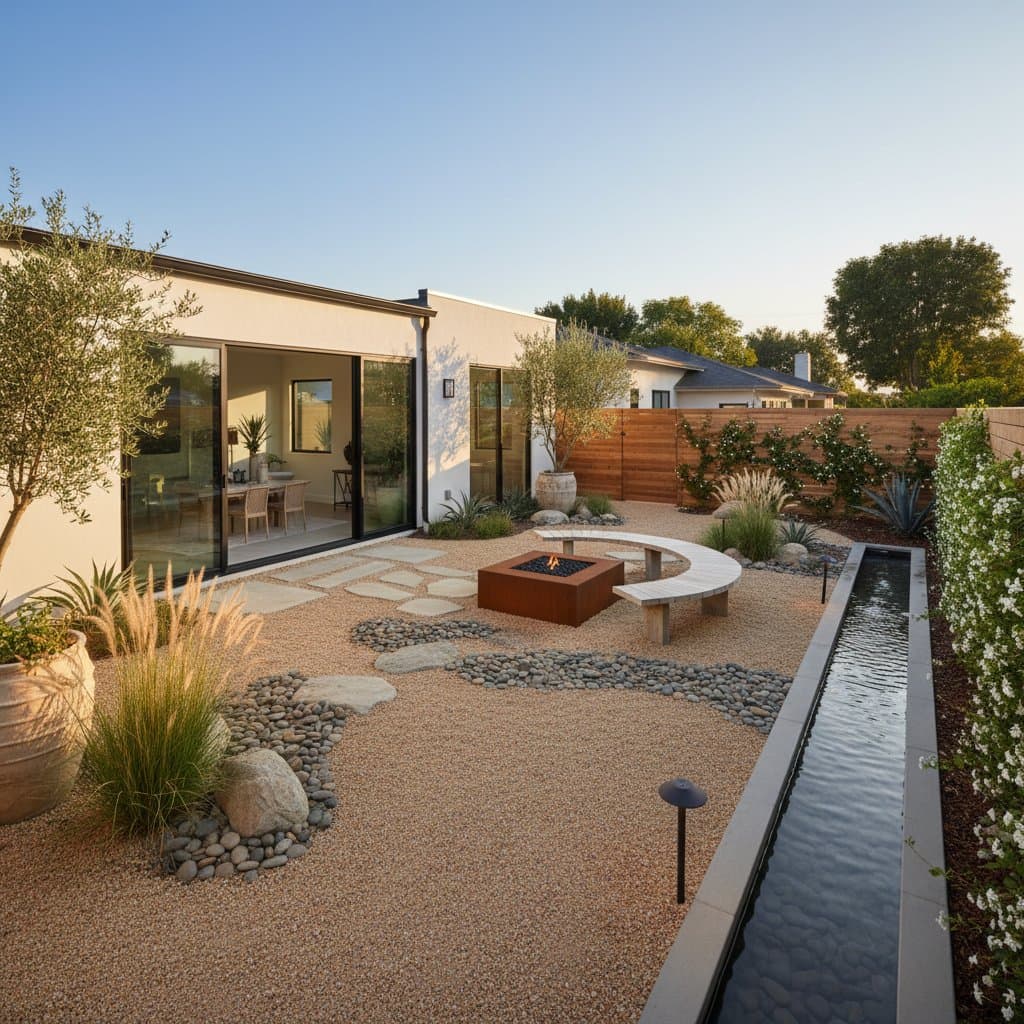
Gravel Courtyards: A Low-Maintenance Solution for 2026
Few landscape options combine enduring design with everyday practicality as effectively as a gravel courtyard. Previously viewed as a rustic or Mediterranean element, gravel surfaces now appear in contemporary homes, mid-century updates, and small urban gardens. Gravel adds texture, enhances drainage, and requires less care than grass or concrete. Homeowners looking for an attractive outdoor area without ongoing demands find gravel courtyards increasingly appealing.
Reasons Homeowners Choose Gravel
The climate in many regions, marked by dry periods and variable rain, challenges traditional lawns and solid patios. Gravel provides an elegant answer that meets both environmental and visual objectives. It uses little water, maintains its appearance across seasons, and allows easy renewal without major effort. Occasional raking, periodic additions, and basic weed management preserve its neat look.
Gravel courtyards also create a sensory experience that feels rooted and organic. The sound underfoot, the light play on light-colored stones, and the gentle contrast with nearby plants foster a calm outdoor setting. This mix of ease and sensory appeal attracts many homeowners.
Main Benefits of Gravel Courtyards
Gravel offers substantial design and performance advantages.
-
Low Maintenance
Gravel requires no mowing, staining, or sealing. Weeds stay minimal with a solid base of landscape fabric and targeted treatments. Leaf blowers or firm brooms suffice for a clean surface. -
Water Conservation
Replacing turf with gravel lowers irrigation demands amid drought issues and higher water prices. It permits natural water absorption into the soil, which cuts runoff and erosion. -
Design Flexibility
Gravel suits styles from coastal homes to modern constructions. It can form the primary surface or serve as a gentle link between plant areas, decks, and paths. -
Cost and Durability
Gravel costs less to install and renew than concrete or pavers. With proper edging and a firm base, it holds steady for many years. -
Temperature Comfort
Gravel remains cooler than hard surfaces, which improves comfort for barefoot walks or pet areas on hot days.
Selecting Appropriate Gravel
The choice of gravel affects comfort, stability, and appearance.
- Decomposed Granite: This material compacts to a firm yet natural surface. It suits courtyards, paths, and eating areas well.
- Pea Gravel: Rounded stones give a softer feel underfoot, ideal for casual seating spots. Borders help contain it.
- Crushed Rock or Limestone Chips: Angular pieces lock together for stability in driveways or busy areas. They limit shifting during use.
- Recycled Options: Builders use recycled or local gravel to lower transport effects and add unique character.
Color choices matter. Warm shades reflect natural surroundings, while cooler grays pair with modern elements. Blending similar tones adds depth without excess.
Planning and Design Approaches
Effective planning helps a gravel courtyard guide movement and define areas.
Start with proper grading to direct water away from buildings and avoid pooling. A compacted crushed stone base aids drainage and stability.
Install edging made of metal, stone, or concrete to contain the gravel and protect planting beds. Match the edging style to the home architecture for cohesion.
Combine gravel with drought-tolerant plants such as lavender, sage, or agave. Group plantings to soften edges and divide spaces. Foliage against stone creates a welcoming, multi-layered effect.
Create functional zones with a central seating spot, fire feature, or water element. Vary gravel sizes or colors to mark zones without hard divisions.
Incorporate low-voltage lights or solar options to accent textures at night. Select durable furniture with clean lines to emphasize natural materials.
Enhancing Comfort and Use
A few adjustments improve the daily experience.
For stability in dining or high-use zones, add a compacted base under the gravel to reduce shifting. Landscape fabric under the top layer limits weed growth. Raking maintains evenness, and occasional hosing reduces dust in dry times. For smoother access with mobility aids, choose decomposed granite or stabilized gravel with a binder.
Matching Style to Function
Gravel adapts to different aesthetics with careful details. Pale golden gravel with terracotta pots and olive trees suits a Mediterranean look. Cool gray tones with steel planters and succulents fit modern homes. Smaller pea gravel between flagstones adds charm in traditional settings.
Gravel can appear rustic or polished based on surroundings. This quality supports spaces that adapt to evolving preferences.
Environmental and Economic Benefits
Gravel encourages water permeability and reduces storm drain pressure. Paired with native plants, it aids local wildlife and needs little watering. It reflects light instead of absorbing heat, which helps balance temperatures near the home.
Installation expenses for gravel fall below those for pavers or concrete. Long-term care involves only occasional top-ups and leveling. This approach saves time, reduces costs, and lessens environmental impact over time.
Professional Collaboration
Although gravel projects can succeed as do-it-yourself efforts, expert guidance ensures strong outcomes. Designers assist with proportions, material selection, and drainage solutions. Contractors handle base compaction and edging installation for a lasting result. Homeowner and professional teamwork produces a space that feels both personal and well-crafted.
Daily Enjoyment of the Space
A finished gravel courtyard integrates into routine life. Morning coffee gains peace on a surface with a soft crunch. Evenings around a fire feature gain a natural ease that hard surfaces seldom match. Minimal care preserves this enjoyment. A brief rake or sweep prepares the area for use.
Gravel courtyards reflect a move toward practical and sustainable landscapes that value both appearance and utility. Careful planning, suitable plant choices, and attention to maintenance create an outdoor area that remains welcoming year-round. Homeowners seeking a low-maintenance courtyard connected to the local environment often find gravel the most satisfying option.