
Edible Front Yards: Achieving $3,000 in Annual Returns
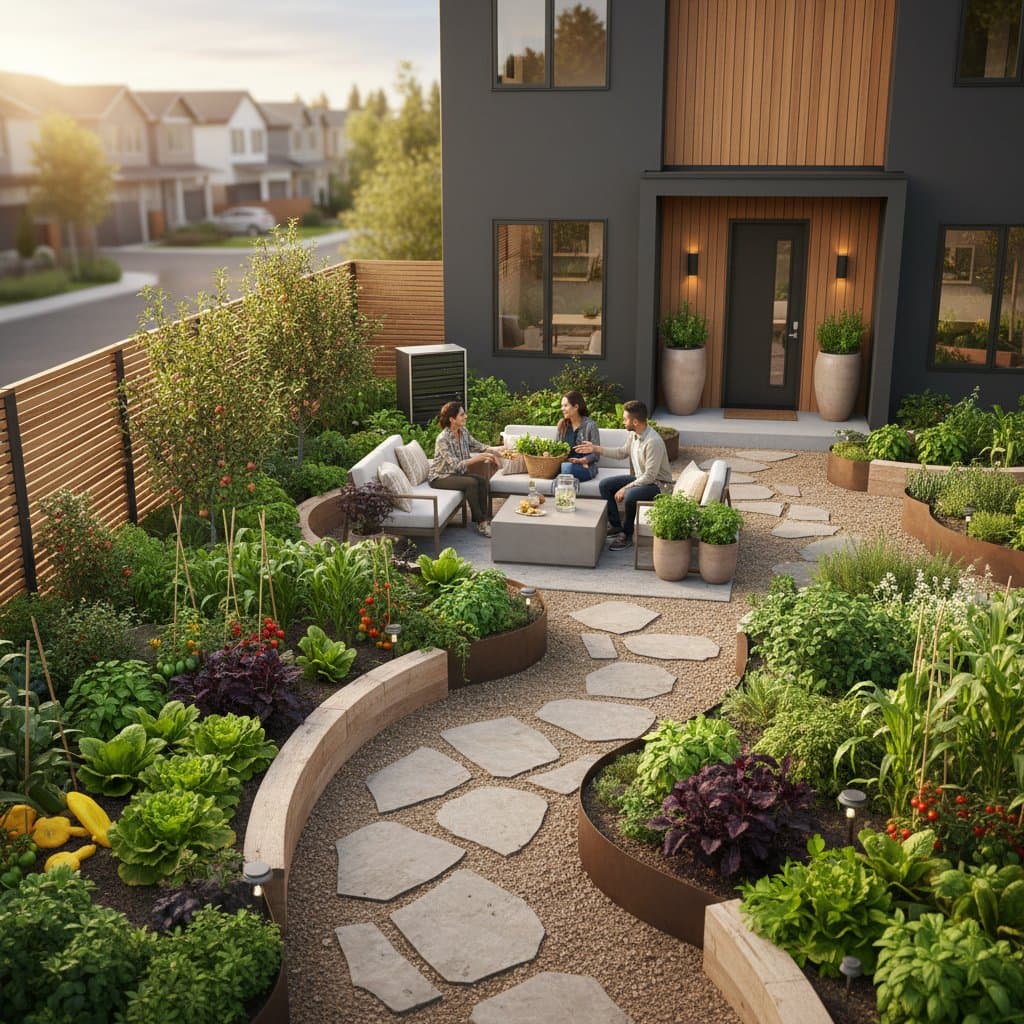
Maya and Luis purchased their suburban home with visions of a front yard that invited guests while serving practical needs. They aimed to lower grocery expenses, conserve water, and foster admiration from neighbors. From an initial herb patch, their efforts expanded into a vibrant edible landscape that now yields about $3,000 annually in savings and produce sales.
This narrative reveals how deliberate planning transforms ordinary front yards into assets that combine productivity with enduring beauty.
Designing a Purposeful Front Yard
The primary objective for Maya and Luis involved integrating utility with visual allure. They sought a layout that appeared purposeful rather than resembling a relocated vegetable garden. The design process started with evaluating sunlight patterns, soil drainage, and household routines. Observations showed frequent use of the front porch for morning routines, positioning it ideally for accessible herbs and leafy greens.
The yard layout incorporates distinct zones. Raised beds nearest the porch accommodate fast-growing items such as lettuce, basil, and parsley. Midway sections host fruit-bearing shrubs, and perimeter areas integrate perennials, edible flowers, and plants that support pollinators. Each zone enhances both utility and aesthetics.
Layered Plantings for Yield and Visual Appeal
Every planting level fulfills dual roles in production and design. The upper canopy consists of compact fruit trees, including semi-dwarf apples and Asian pears on space-efficient rootstocks. These provide gentle shade for understory plants and deliver 80 to 100 pounds of fruit per tree annually.
Below, berry-producing shrubs like blueberries, black currants, and thornless raspberries introduce varied textures and reliable harvests. The ground cover combines edible perennials such as oregano, thyme, and strawberries with native blooms that draw pollinators.
Selections ensure overlapping harvest periods for continuous output. This approach maintains year-round interest. Early-spring flowering chives, cold-tolerant kale, and evergreen rosemary create a landscape that evolves with the seasons.
Calculating Return on Investment
Initial expenses totaled around $6,000 for plants, materials, and irrigation systems. Returns became evident after two seasons. Maya maintains a detailed spreadsheet that logs harvest weights and comparable market prices.
A typical annual breakdown includes:
- Fruit: 90 pounds of apples, 45 pounds of pears, 20 pounds of mixed berries
- Vegetables and herbs: 200 pounds total, encompassing greens, tomatoes, peppers, and assorted herbs
- Grocery savings: Approximately $2,200
- Neighborhood sales: About $800
Seasonal fluctuations occur, yet the overall trend persists. The garden offsets its upkeep and generates surplus value. "It proves rewarding to watch tangible benefits emerge just beyond the threshold," Maya noted.
Harmonizing Aesthetics and Output
Concerns often arise that edible gardens appear unkempt or overly functional. Success lies in establishing patterns of color and shape. Designer Kelsey Tran incorporated recurring elements across the plant selections. Purple basil, for instance, complements nearby lavender along pathways, while the soft curves of lettuce heads align with low ornamental sedges.
Incorporating seasonal blooms like calendula, nasturtium, and cosmos adds vibrancy and invites helpful insects. These flowers serve as edible accents too. "The planting scheme functions like an artist's selection of hues and forms," Tran explained. "Every plant contributes to vibrancy, structure, and utility."
Maintenance follows efficient cycles. Plants with aligned watering and feeding requirements occupy shared beds to streamline tasks. Support structures for taller crops, such as tomatoes on durable metal trellises painted to match the fencing, preserve clean sightlines.
Fostering Neighborhood Ties
The garden's prominent location sparks interactions. Neighbors frequently pause to inquire or exchange seeds. A modest wooden stand by the walkway allows for leaving or taking surplus items. This casual barter has positioned the yard as a local center for small-scale food growing.
Area students have joined brief sessions on topics like soil vitality and biodiversity. The initiative highlights how functional gardens strengthen social bonds. "Observing edibles in place of turf shifts perspectives on personal outdoor spaces," Luis observed.
Steps to Create Your Edible Front Yard
Launching an edible landscape demands no complete overhaul. Targeted actions yield significant improvements in both form and function.
-
Start at the entrance. Position herbs and salad plants nearby to promote regular access and simple gathering.
-
Select versatile species. Blueberries provide berries, autumn foliage, and framework. Rosemary delivers scent, year-round greenery, and kitchen applications.
-
Maintain accessible routes. Clear paths convey intention and facilitate upkeep.
-
Integrate blooms among food plants. Such pairings deter pests and ensure visual harmony.
-
Document outcomes. Log yields, costs, and effort to gauge progress.
-
Schedule successive plantings. Follow early varieties with later ones to prolong harvests.
-
Unify elements. Employ consistent textures and tones as the garden grows.
Evolving the Landscape Over Time
For Maya and Luis, the front yard represents an ongoing project. Adjustments occur each cycle, from trialing new tomato strains to installing targeted irrigation for berries.
Their journey underscores edible landscaping as a blend of style and economics. Proper forethought enables modest spaces to produce substantial value, cut food costs, and enhance local connections.
Beyond sustaining a family, an edible front yard redefines home entryways as expressions of resourcefulness, innovation, and accessible plenty.