
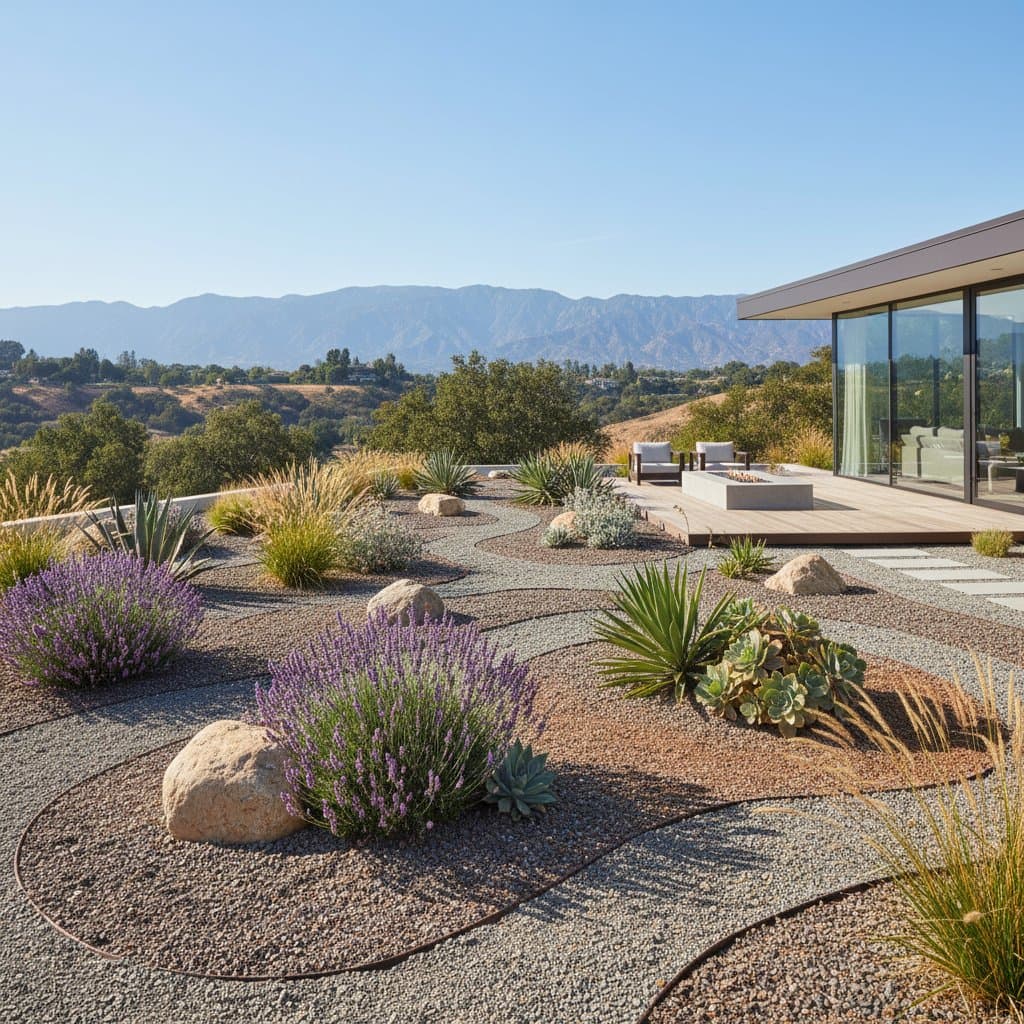
Gravel Gardens: A 2026 Trend That Saves $1,000 on Annual Upkeep
Gravel gardens appear simple at first glance, but they yield vibrant, layered, and unexpectedly verdant outcomes. In an era prioritizing water conservation, reduced labor, and financial prudence, these landscapes provide an intelligent and elegant alternative. California residents increasingly adopt this approach, achieving annual savings of about $1,000 on maintenance while cultivating enduring, water-efficient environments that retain a sense of vitality and individuality.
Reasons Gravel Gardens Are Rising in Popularity
A gravel garden extends beyond mere stone coverage. It involves intentional layering of gravel or crushed stone as mulch to bolster robust, water-thrifty vegetation. This aesthetic originated in Mediterranean regions, mirroring California's arid summers and temperate winters. The benefits prove evident: diminished irrigation needs, eliminated mowing routines, and suppressed weed proliferation.
Conventional turf and elaborate floral arrangements demand frequent attention, including regular watering setups and nutrient supplements. Gravel gardens, however, prosper with sparse intervention. They suppress weeds effectively, preserve ground humidity, and prevent soil displacement. Numerous property owners note marked reductions in utility expenses and upkeep expenditures, accumulating substantially over time.
The visual allure complements California's casual sophistication. Silvery stones capture daylight, enhancing contrasts with the foliage hues of silver, green, and violet from resilient flora.
Establishing a Solid Base
Success in gravel gardening hinges on meticulous initial setup. The groundwork influences the landscape's longevity and performance.
-
Evaluate the Location
Examine exposure to light, water flow, and earth makeup. Southern exposures often prove hottest and most parched, ideal for species from Mediterranean or desert origins. In low-lying spots prone to pooling, slope the surface gently to enhance runoff prior to gravel application. -
Select Appropriate Gravel Types
Options like pea gravel, decomposed granite, and crushed limestone each bring unique grains and shades. For areas with substantial pedestrian use, compact a base of decomposed granite and overlay with smoother pebbles. To achieve depth, blend particle sizes or tones, mimicking organic landforms. -
Condition the Ground
Although low-effort overall, gravel gardens benefit from soil amendment at inception. Till the earth and incorporate organic matter such as compost. This fosters root development and sustains plant vigor over years. -
Apply Weed Suppression Layer
Position permeable geotextile fabric under the gravel to minimize weed incursions significantly. Steer clear of impermeable plastics, which hinder aeration and water penetration.
Selecting Resilient Plant Varieties
Gravel gardens highlight tough species that endure with scant hydration. A thoughtful assortment guarantees seasonal vibrancy.
- Native California Species: Plants like yarrow (Achillea millefolium), ceanothus, and buckwheat (Eriogonum) offer framework and blooms, while aiding regional insects.
- Succulents and Succulents: Choices such as agave, aloe vera, and echeveria introduce bold shapes that interplay strikingly with stone surfaces.
- Mediterranean Aromatics: Lavender (Lavandula), rosemary (Rosmarinus officinalis), and thyme (Thymus vulgaris) emit scents upon contact and serve kitchen uses.
- Ornamental Grasses and Perennials: Blue fescue (Festuca glauca), kangaroo paw (Anigozanthos), and salvia provide fluidity, swaying gently in winds.
Achieve equilibrium by interspersing tall specimens with low-spreading covers, arranged in informal groupings rather than straight lines. The overall effect should evoke wildness tempered by purpose.
Strategies for Unified Design
Tailor gravel gardens to modern minimalism or countryside warmth. Adhere to these guidelines for harmony.
- Coordinate Colors: Match stone shades to architectural elements like siding or paved surfaces. Neutral beige gravel enhances earthy terracotta or adobe finishes, whereas slate-gray suits sleek cement decks.
- Secure Boundaries: Employ steel, rock, or wood borders to confine gravel and impart polish.
- Incorporate Variety: Pair smooth pebble walkways with rugged boulders or flat pavers for diverse sight and feel.
- Establish Anchors: Position a prominent shrub, clay vessel, or bench as a central draw, avoiding overcrowding.
Simplified Upkeep Routines
The primary strength of gravel gardens lies in their negligible demands. Targeted actions preserve peak condition.
- Irrigation Practices: Deliver thorough soaks biweekly in arid spells to promote deep rooting, eschewing frequent shallow applications.
- Weed Control: Perform selective removal periodically, particularly during the establishment phase.
- Gravel Renewal: Replenish with a light scattering biennially to revive hues and fill gaps.
- Trimming Tasks: Shape herbaceous plants and grasses at season's end to stimulate renewal.
Property owners typically invest mere hours monthly, contrasting sharply with lawn demands. Economies span hydration fees, soil treatments, equipment operation, and hired services, frequently exceeding $1,000 yearly.
Environmental Benefits with Aesthetic Depth
Gravel gardens align seamlessly with California's emphasis on ecological stewardship and efficiency. They curb surface water loss, foster indigenous wildlife, and limit synthetic inputs. Sourcing materials nearby further lessens haulage emissions.
Permeable stone layers facilitate groundwater recharge, averting urban drainage overloads. This nurtures localized ecosystems, benefiting adjacent vegetation.
Far from stark, these spaces evoke serenity. Evening illumination casts gentle highlights on paths, complemented by herbal aromas. Such designs promote leisure over labor.
Integrating the Landscape into Daily Life
Established gravel gardens integrate fluidly into residential settings. They mature gradually, shifting with sunlight and cycles. Freed resources enable enhancements like patios or leisure zones, or simply extended enjoyment.
For those desiring elegance, affordability, and resilience, gravel gardens fulfill these needs. They balance utility with allure, conservation with invitation, and adapt ideally to regional conditions. Intentional execution yields enduring rewards in form and function.