
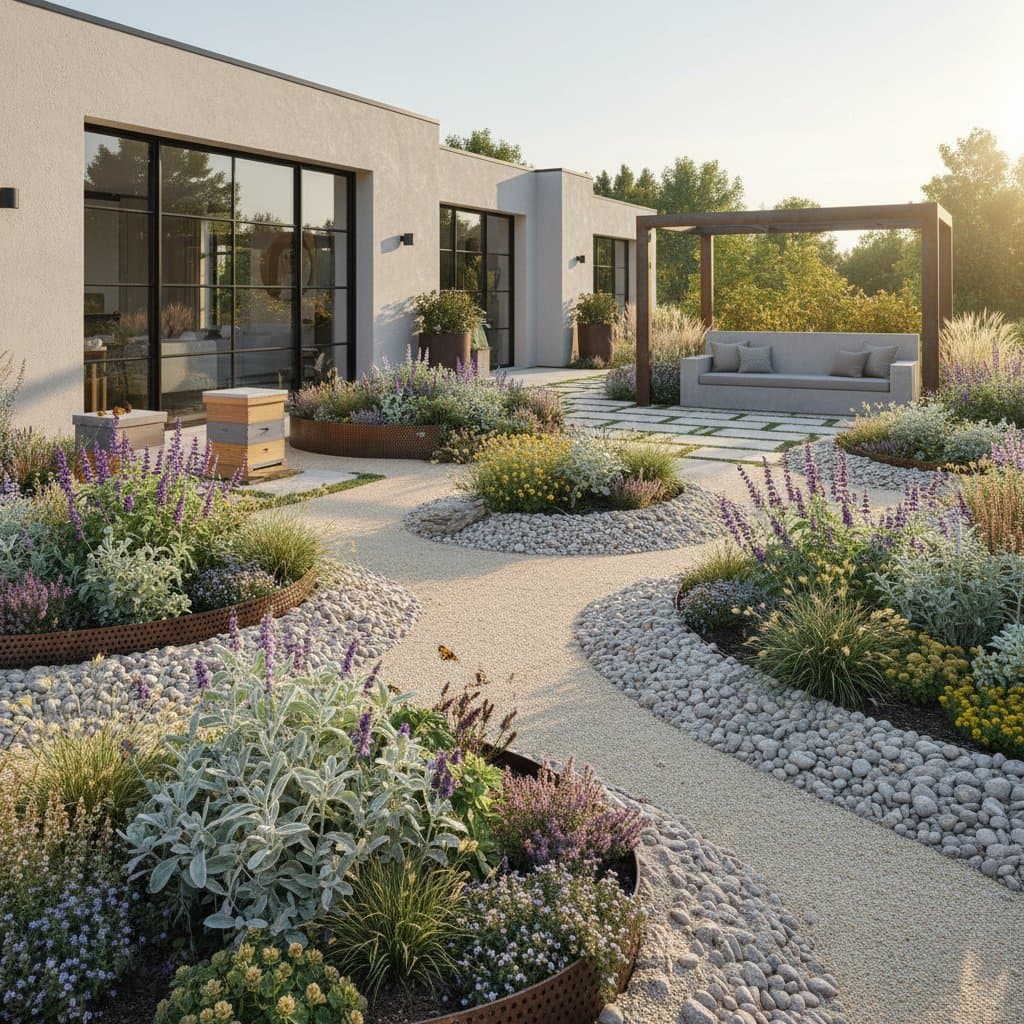
Gravel Gardens Reduce Maintenance by 70 Percent Starting in 2026
Gravel gardens transform approaches to low-maintenance landscapes for homeowners and designers. These designs integrate sculptural plantings, varied textures, and sustainable practices to provide visual appeal without ongoing tasks like mowing, watering, or pruning. The primary benefit lies in efficiency: a properly constructed gravel garden cuts maintenance by up to 70 percent, conserves water, and fosters pollinator habitats.
At a Glance
Location: Suitable for most temperate or arid climates
Size: Adaptable from small courtyards to expansive suburban properties
Climate Zone: Best for areas with dry summers or low precipitation
Project Goal: Develop a vibrant, drought-resistant garden requiring little ongoing care
1. Establish a Strong Foundation
Success in gravel gardens starts with soil preparation. Focus on achieving superior drainage to accommodate plants suited to lean, arid conditions. Amend heavy clay soils by incorporating coarse sand or crushed stone. Install a compacted gravel base layer, four to six inches thick, to divert excess water and inhibit weed growth.
A landscape architect notes: “Gravel gardens flourish with restraint. The soil must remain lean enough to favor only resilient plants.”
This setup prevents root rot and maintains surface stability. It also introduces a distinctive crunch underfoot that enhances the garden's sensory appeal. In compact spaces, this surface unifies pathways, seating zones, and planting areas, eliminating the need for additional borders.
Visual Callout: Angular gravel contrasts with the soft forms of blue fescue mounds.
2. Select Plants Suited to Arid Conditions
The choice of plants determines long-term performance in a gravel garden. Prioritize species that endure neglect and rapid drainage. Ornamental grasses like little bluestem, Mexican feather grass, and prairie dropseed introduce motion and texture. Perennials such as lavender, catmint, and yarrow add seasonal color and scent. Succulents including sedum or agave offer bold, structural focal points.
A horticulturist observes: “Effective gravel gardens appear established immediately because the plants align naturally with their surroundings.”
These selections demand little irrigation after rooting. Their extensive root systems secure the soil, and inherent drought resistance minimizes watering needs. For visual interest, blend upright and spreading forms to sustain dynamism across seasons. Maintain unity by limiting the palette to recurring hues or foliage shades throughout the design.
Visual Callout: Lavender and yarrow clusters soften edges against light gravel.
3. Incorporate Varied Textures and Heights
Rhythm and diversity, rather than thick plantings, define a gravel garden. Combine fine and coarse gravel to delineate paths or zones. Integrate boulders or river rocks as anchoring features. Balance tall, wispy plants like Russian sage with ground covers such as thyme or creeping germander to build depth and movement.
A designer explains: “Contrast generates engagement. Coarse gravel paired with delicate foliage produces a deliberate, harmonious tension.”
Different heights promote air circulation and minimize disease risks. This layering creates fullness without excess vegetation or mulch. In confined areas, shifting gravel types implies functional divisions for relaxation, meals, or strolls, bypassing formal boundaries.
Visual Callout: Smooth river stones accent a expanse of silver-green grasses.
4. Implement Efficient Irrigation and Drainage
Drought-adapted gardens still require initial watering. Conceal a drip irrigation system under the gravel to target roots and limit evaporation. Place emitters at plant bases and program timers for infrequent, thorough applications, typically once or twice weekly in arid periods.
A landscape contractor states: “Subsurface drip lines conserve time and resources, and mature plants often need no further support.”
Effective drainage proves essential. Gently slope surfaces to guide water toward rain gardens or cobble-lined dry streambeds. These features serve dual purposes, enhancing aesthetics while handling stormwater. Together, targeted irrigation and drainage promote plant vitality and cut routine interventions.
Visual Callout: A dry creek bed directs runoff through patches of thyme.
5. Treat Gravel as an Integral Design Element
Gravel extends beyond mere ground cover. It shapes forms, highlights contours, and interacts with light in unique ways compared to pavement or grass. Opt for warm pea gravel to complement Mediterranean flora, or cool gray granite for contemporary settings. Vary sizes or shades to signal shifts between spaces without overt dividers.
A landscape designer remarks: “Gravel functions as a design vocabulary. Its color and grain shape the overall ambiance.”
Practically, gravel curbs weeds, moderates soil warmth, and curbs moisture loss. It allows easy reconfiguration if plans evolve. Pale gravel in small gardens amplifies space through light reflection, while deeper tones in broader layouts anchor planting groups.
Visual Callout: Charcoal granite gravel surrounds a rusted steel container.
6. Integrate Hardscape and Containers for Structure
Hardscape adds definition and durability to gravel gardens. Employ raised beds, stone seats, or corten steel borders to establish crisp lines against fluid surfaces. Pots with resilient plants like rosemary, agave, or dwarf grasses introduce vertical interest and change.
A garden builder comments: “Clear boundaries ensure gravel appears purposeful, not incidental.”
These additions contain gravel migration and ease edging tasks. They direct attention to key spots. A modest wall or seat supports informal gathering, and grouped pots at entrances provide welcoming points. Select enduring materials like treated timber or patina-forming stone.
Visual Callout: A corten bench separates dining from planting areas in the gravel expanse.
7. Illuminate for Nighttime Enjoyment
Strategic lighting extends gravel gardens into evenings. Install low-profile bollards or path markers to outline routes, and use uplights to accent plants or walls. Select warm tones at 2700 K for inviting illumination that harmonizes with organic elements.
A lighting designer advises: “Multi-level lighting prolongs outdoor time without overwhelming brightness.”
Lights enhance security and promote consistent use. They dramatize forms through shadows on gravel and foliage. Solar options fit modest setups, while low-voltage arrays serve extensive ones. Avoid direct beams on gravel to prevent reflective glare.
Visual Callout: Gentle uplights showcase agave and grass silhouettes at night.
Sustaining Your Gravel Garden
Established gravel gardens demand minimal attention. Rake surfaces periodically for neatness, and perform spot weeding biannually. Plants generally forgo fertilizers or regular watering. Inspect drainage after storms to clear any blockages.
The design evolves into a balanced system. Vegetation expands organically, gravel develops a refined sheen, and local wildlife engages. Pollinators and birds inhabit the arid-adapted flora. This practical solution yields a serene, polished ecosystem.
A homeowner shares: “We sought elegance without endless work. The gravel garden delivered exactly that.”
Visual Callout: Established grasses undulate above pristine gravel, free of mowing tools.
Steps to Create Yours
Gravel gardens promote water efficiency, labor savings, and longevity with sparse intervention. They align with contemporary lifestyles while drawing on enduring aesthetics.