
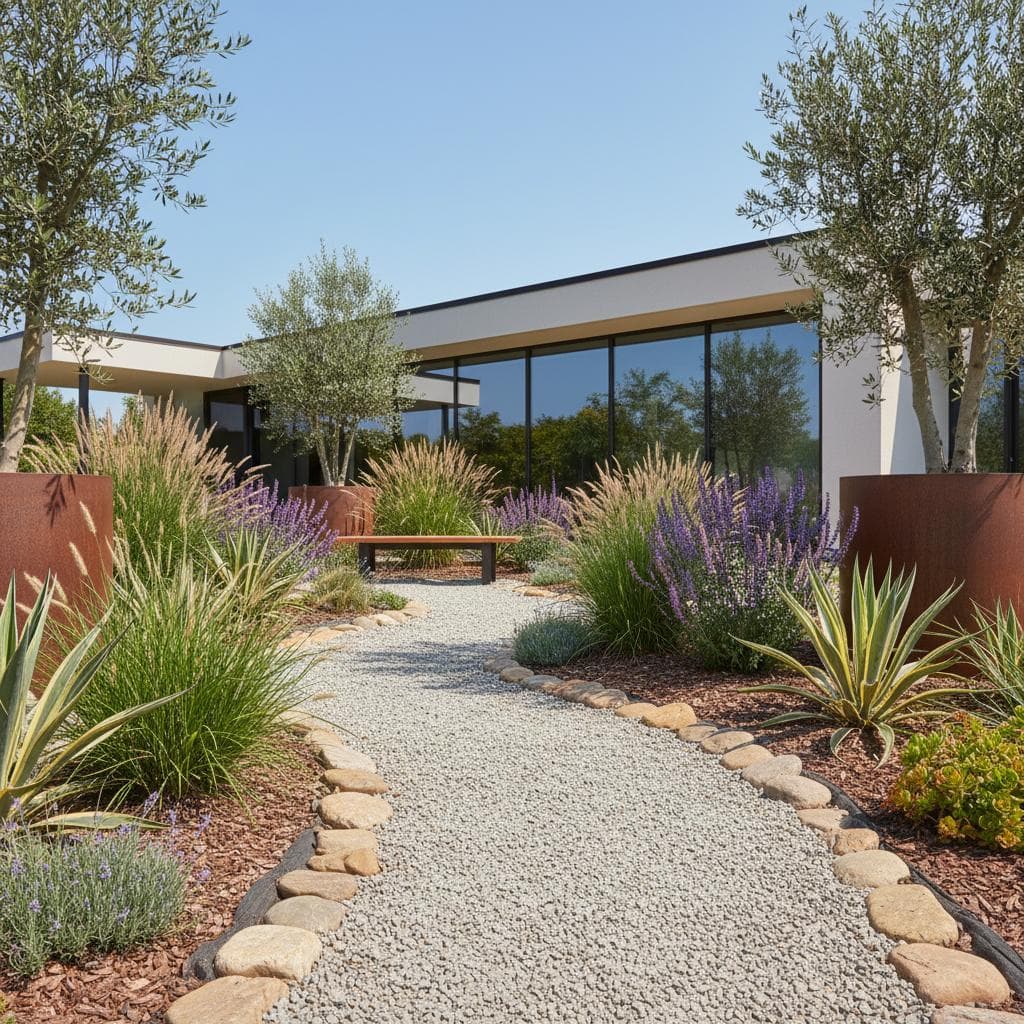
Gravel Gardens Replace Mulch: A Smart, Low-Cost Choice for 2025
Gravel gardens substitute conventional mulch with ornamental stone to create tidy, contemporary landscapes that demand far less attention. This method attracts notice for its robustness, economical installation, and ability to withstand dry spells. It controls weed proliferation, moderates soil temperatures, and eliminates the need for repeated mulching through a single, enduring investment that persists for years.
At a Glance
Location: Suitable for diverse climates
Size: Adaptable from compact beds to expansive yards
Climate Zone: Optimal in arid or temperate environments
Project Goal: Minimize upkeep while preserving texture and aesthetic appeal
1. Build a Strong Foundation
Success in a gravel garden begins with proper preparation at ground level. Clear away all existing weeds thoroughly, then level the soil surface evenly. Install a permeable landscape fabric to block future weed emergence while permitting water to percolate through the layers. Spread gravel to a depth of two to three inches to ensure firm footing and complete coverage.
A landscape designer observes, "Gravel acts like a living mulch. It regulates soil temperature and suppresses weeds without the breakdown cycle of organic material."
Select materials such as decomposed granite for its gentle, earthy appearance or pea gravel for a polished surface suitable for walking paths. In regions prone to intense rainfall, opt for crushed stone, which interlocks securely to resist shifting. Test a small area first to confirm drainage and stability before full implementation.
Visual callout: Compact gray gravel flows into a planting bed featuring lavender and thyme.
2. Select Resilient, Drought-Tolerant Plants
The synergy between gravel and appropriate vegetation forms the core of this design. Prioritize plants that flourish in fast-draining conditions, such as sedum varieties with their succulent leaves, yarrow for its feathery foliage, and ornamental grasses including blue fescue or little bluestem. These choices develop deep roots to endure prolonged dry periods and introduce organic shapes that complement the inorganic gravel.
A horticulturist notes, "Gravel gardens reward restraint. Fewer plant types, arranged with contrast in height and color, create a calm, structured look."
Group plants in clusters of three to five for rhythmic visual patterns, and repeat selections across the space to foster unity. After initial rooting, which takes about one growing season, supplemental irrigation becomes rare, thereby lowering water bills and promoting environmentally conscious habits. Monitor soil moisture in the first year to guide establishment without overwatering.
Visual callout: Tufts of blue fescue emerge from pale gravel, mirroring the overhead sky.
3. Incorporate Color and Texture for Added Dimension
Available in hues ranging from warm beige to cool gray, gravel offers versatile options for enhancing depth. Blend subtle variations, such as pairing river rock with crushed limestone, or position dark slate adjacent to light pavers to heighten contrast. This approach enriches the composition without introducing disorder.
Texture plays an equally vital role in the overall effect. Smooth pebbles convey sophistication in formal settings, whereas angular stones impart a robust, natural vibe to informal areas. Maintain a restrained color scheme to allow vegetation to serve as the primary focal point, ensuring balance year-round.
A designer explains, "Texture carries the design when color fades. Gravel keeps the garden interesting all year."
Experiment with sample quantities from local suppliers to visualize combinations in your specific light conditions. Avoid overmixing types in one area to prevent a fragmented appearance; instead, transition gradually between zones.
Visual callout: A path of crushed limestone sets off bronze carex grass along its borders.
4. Integrate Lighting and Structural Features
Low-voltage lighting accentuates the inherent shimmer of gravel during evening hours. Position warm-toned fixtures along seating zones or walkways to illuminate paths softly. The gravel's reflective quality disperses illumination uniformly, yielding a gentle ambiance free from stark shadows.
Incorporate elements like stone borders, concrete pavers, or metal edging to delineate garden sections clearly. Allow gravel to encircle these accents seamlessly, which provides definition while preserving an informal atmosphere. Secure edges firmly to contain gravel and simplify boundary maintenance.
A lighting specialist comments, "Layered lighting extends evenings outdoors without harsh glare, and gravel amplifies that effect beautifully."
Plan wiring routes underground during initial setup to avoid disruptions later. Choose solar-powered options for remote spots to further reduce energy use and installation complexity.
Visual callout: Path lights diffuse a gentle radiance over pale gravel, leading toward a nearby bench.
5. Establish a Simple Maintenance Routine
Gravel gardens excel through their inherent ease of care. Rake surfaces periodically to redistribute material and alleviate any settling. Address weeds promptly at perimeter edges with hand-pulling or targeted applications, as the fabric barrier minimizes intrusions.
Unlike organic mulch, gravel resists decomposition, sparing the expense of annual renewals. It remains stable in wet weather, safeguarding underlying soil and curbing erosion. Most setups recoup their upfront costs within two to three years via diminished labor and material needs.
A gardener remarks, "Once a gravel garden settles, it practically takes care of itself."
Schedule an annual inspection to remove debris and assess gravel levels; top up only as necessary, typically every three to five years depending on foot traffic. This routine keeps the garden pristine with just a few hours of effort seasonally.
Visual callout: A rake evens out newly placed gravel next to a modest stone edging.
Realizing Lasting Benefits in Your Gravel Garden
A gravel garden introduces serene organization to outdoor environments of any kind. The fusion of stone's mineral quality and hardy plantings elevates plain areas into welcoming, economical havens. It suits modern patios or traditional cottage gardens alike, scaling effortlessly to fit the site.
Homeowners appreciate how this shift from mulch fosters a durable, visually compelling base that nurtures both aesthetics and function. The outcome yields a timeless outdoor feature, firmly anchored and prepared for prolonged, hassle-free pleasure across changing seasons.