
Moss Lawns: A Low-Maintenance Alternative to Traditional Turf
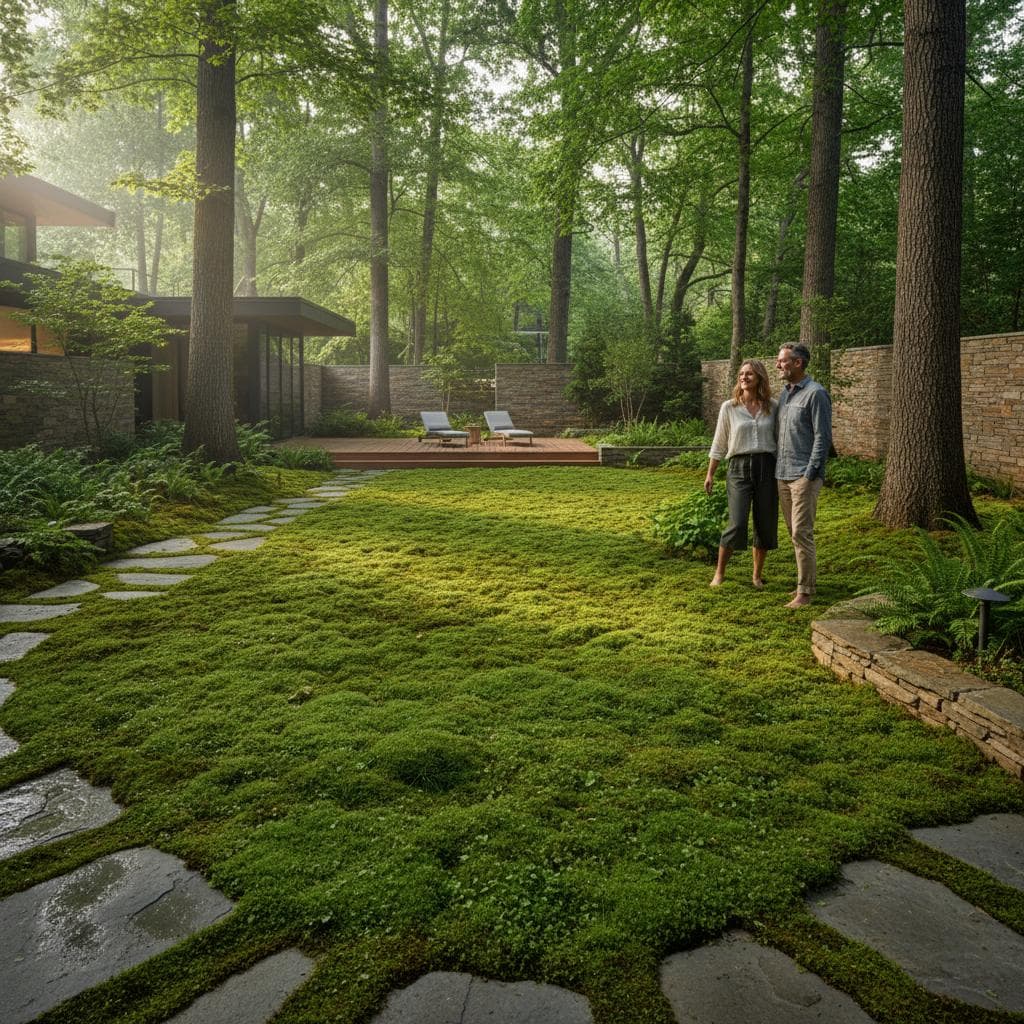
When Alex and Jordan moved to their shaded hillside property, they faced immediate difficulties with the existing lawn. Grass failed to thrive beneath the thick oak canopy, and constant watering proved wasteful. In search of a lively, low-effort green area, they chose a moss lawn installation, which offers lasting appeal without regular maintenance.
Project Overview
- Homeowners: Alex and Jordan, enthusiastic landscape design enthusiasts
- Site Details: Shaded suburban hillside spanning approximately 2,400 square feet
- Design Firm: Terra Verde Landscape Studio
- Installation Team: MossWorks Installation Group
- Key Elements: Locally sourced moss species, integrated stone pathways, and crushed granite borders
- Primary Objectives: Create a no-mow, no-fertilizer landscape that retains color through natural means
Preparing and Installing the Moss Lawn
The project began with a thorough site evaluation and soil preparation. The team cleared away the thin grass cover to expose the compacted soil underneath, then pressed it down to create a stable foundation. Moss thrives in compact, damp, acidic soil with a pH range of 5.0 to 6.0, so technicians tested the pH and incorporated natural materials such as pine needles or peat moss to adjust acidity if required.
Moss species selection matched the site's light and slope conditions. Sheet moss (Hypnum curvifolium) blanketed the heavily shaded areas near the deck, forming smooth, carpet-like surfaces. Cushion moss (Leucobryum glaucum) filled the gentle slopes exposed to fleeting morning sun, building soft, rounded mounds. Rock cap moss (Dicranum scoparium) stabilized boulder bases and edged stone elements, adding varied texture and erosion control.
Installation minimized soil disruption. Workers placed moss sheets on dampened ground and secured them using light roller pressure or manual tamping. For the first two weeks, daily misting with a fine spray promoted rooting and spread, replicating a woodland floor. The process avoided synthetic fertilizers entirely, emphasizing natural establishment instead.
Erin from the design studio explained, "Moss attaches to soil via rhizoids, enabling organic spread. Unlike grass, it discourages weeds by modifying humidity and light in the area. Long-term success depends on early watering and patience, not repeated treatments."
To enhance adhesion, the team recommended dividing larger moss patches into smaller sections during placement, ensuring even coverage. They also suggested monitoring for dry spots in the first month and addressing them with targeted watering to prevent patchy growth.
Ecological and Practical Advantages
A moss lawn provides more than serene visuals; it fulfills key environmental functions. It traps sediments from air and rain, reducing erosion on slopes. Lacking deep roots, moss prevents soil compaction seen in drought-stressed grass, and its absorbent texture captures rainwater effectively, cutting runoff and limiting pollutants from reaching streams.
Maintenance demands far less effort than standard lawns. Owners avoid mowing, which removes noise pollution and fuel use, and eliminate fertilizers that risk contaminating water sources. Moss manages its own thickness without aeration. Basic care involves manually removing weeds and sweeping off fallen leaves to keep the surface uniform. During dry weather, a quick hose spray restores vitality, often in less than 24 hours.
Alex and Jordan noticed water use halved immediately after installation. Without gas-powered tools, their yard became a quiet retreat evoking a forest glade. This change saved resources and boosted local wildlife, drawing pollinators and birds to the shaded habitat.
In regions with heavy rainfall, moss lawns excel by holding moisture longer than turf, which can become waterlogged. Studies of similar installations show they support microbial soil life better, fostering healthier ecosystems over time.
Sustaining and Enjoying the Moss Landscape
Several months after completion, the moss lawn shows strong vitality. Weekly care takes only a few minutes, centered on gentle clearing to uphold the soft texture. Seasons bring dynamic shifts: heavy rains intensify colors to bright green, while dry phases reveal muted silvers and browns that maintain natural appeal.
This method altered how the couple engaged with their land. They abandoned efforts to force grass growth and embraced the shade and incline. Stone paths now meander through the moss, directing steps to avoid wear, while granite borders outline edges precisely.
Jordan shared, "We stopped fighting the environment. The garden finally feels like it belongs here."
To extend enjoyment, the homeowners added low benches amid the moss for quiet seating, enhancing the space as a relaxation zone. They also planted shade-tolerant ferns nearby, complementing the moss without competing for resources.
Steps to Create Your Moss Lawn
If lawn maintenance exhausts you, consider a moss lawn as an eco-friendly choice. Start by assessing shade, moisture, and soil pH to choose suitable moss types. Contact regional specialists for native varieties that align with your climate and aid local biodiversity.
Prepare the area by clearing debris and testing soil; amend as needed with organic matter. Lay moss in sections on moist ground, secure firmly, and mist regularly for establishment. Over time, your yard will become a resilient, peaceful feature that requires minimal input while providing substantial environmental gains.