
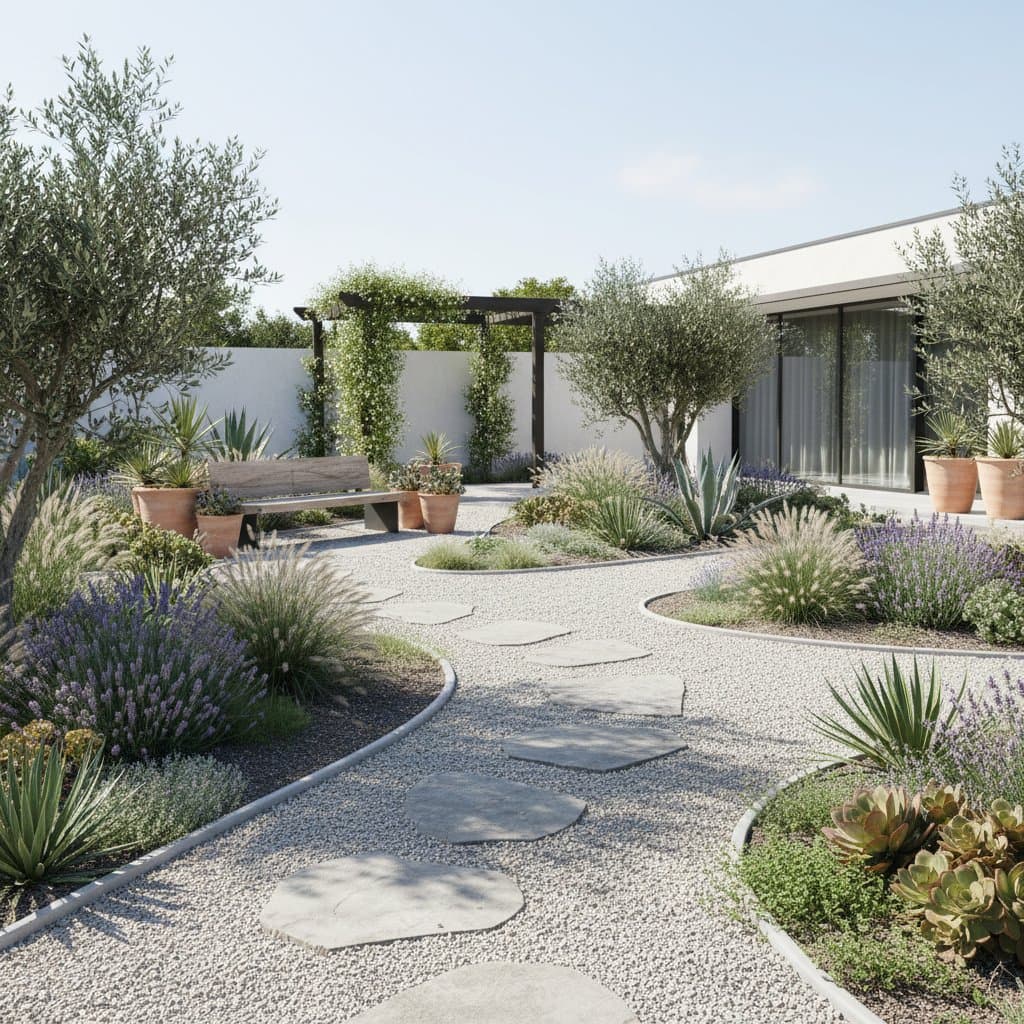
The Appeal of Gravel Gardens: Timeless Elegance for Modern Yards
Gravel gardens represent a landscaping approach that combines enduring appeal with contemporary relevance. Originating in Mediterranean regions centuries ago, these designs now feature prominently in design publications and online platforms. The core attraction lies in their ability to provide sophisticated aesthetics while requiring little ongoing effort. They flourish in full sun, endure dry conditions, and free homeowners from routine tasks such as mowing, frequent watering, and applying fertilizers. For those desiring a yard that aligns with natural rhythms, promotes sustainability, and exudes refinement, gravel gardens present an ideal solution.
This style proves especially suitable in water-scarce areas like California, where thoughtful design addresses environmental demands. When executed with care, a gravel garden appears lush and intentional rather than barren. Over the years, it matures into a more vibrant and cohesive space.
Preparing the Site: Building a Solid Base
The foundation of any thriving gravel garden starts with thorough site preparation. Neglecting this phase frequently results in issues like poor drainage or persistent weed growth.
- Assess the location. Select a spot that receives ample sunlight throughout the day. A slight slope aids drainage; steer clear of low-lying areas prone to standing water.
- Clear vegetation. Eliminate grass, weeds, and their root systems completely. While landscape fabric can suppress future growth, it serves best as a supplement to manual removal.
- Improve the soil. Till the ground to a depth of six to eight inches, then incorporate coarse sand or fine gravel to enhance permeability. These plants favor nutrient-poor conditions, so skip heavy amendments like compost.
- Set boundaries. Install edging materials such as metal strips, natural stone, or precast concrete to contain the gravel and create sharp, professional edges.
- Lay the gravel. Distribute a uniform layer of two to three inches of clean, angular gravel. Options include small pea gravel for a smooth surface, decomposed granite for a rustic texture, or crushed limestone for a neutral palette. Test samples in natural light to match your vision; light grays evoke seaside serenity, whereas earthy tones pair well with arid plantings.
Proper preparation ensures longevity. Compact the gravel lightly after installation to stabilize it and prevent shifting underfoot.
Key Design Elements for Cohesive Appeal
Gravel gardens merge practicality with artistry. Designers aim to craft an environment that appears organic yet purposefully arranged.
Balancing Textures and Colors
Combine plants with varying foliage densities for visual interest. Delicate herbs like creeping thyme contrast effectively with sculptural succulents such as agave. Select gravel hues that accentuate plant features; for example, pale gravel underscores silvery leaves, while dark volcanic rock intensifies vibrant greens.
Incorporating Repetition
Use recurring elements to foster unity. Plant lavender in grouped clusters at regular intervals to guide the eye and establish rhythm. Similarly, consistent gravel shades throughout reinforce the overall theme.
Creating Pathways
Define walkways with gravel to facilitate access and simplify upkeep. Wider paths accommodate strolling, while narrower ones frame planting beds. Rake surfaces every few weeks to maintain neatness and even out settled material.
Adding Focal Points
Introduce sturdy features like a wooden bench, large boulders, or oversized terracotta pots to anchor the design. Position these elements to draw attention and encourage relaxation amid the plantings.
Enhancing with Illumination
Incorporate subtle lighting to extend usability into evenings. Place solar-powered or low-voltage fixtures at ground level among plants for a gentle glow that highlights textures without overwhelming the space.
These principles transform a simple gravel layout into a dynamic outdoor room. Experiment with scale; smaller yards benefit from fewer, bolder accents, while larger ones allow for expansive drifts of plants.
Environmental Benefits and Enduring Worth
Gravel gardens extend beyond aesthetics to embody resilient, eco-friendly landscaping. They minimize water consumption by relying on drought-tolerant species and permeable surfaces that allow rainfall to infiltrate the soil. Chemical use drops significantly, as mulch-like gravel naturally deters weeds and supports healthy microbial activity.
The design also moderates local climate. Gravel absorbs solar heat during the day and radiates it gradually at night, fostering a consistent environment ideal for heat-loving plants. This thermal regulation reduces stress on vegetation and lowers energy needs for nearby structures.
From an investment standpoint, such gardens enhance property appeal. They signal deliberate care and modern sensibilities, attracting buyers who value low-effort beauty. Materials withstand weather and foot traffic, ensuring the installation remains cost-effective over decades.
Nurturing and Adapting Over Time
A gravel garden reveals its full character as seasons pass. Plants establish deeper roots, gravel compacts into a stable base, and local fauna integrates into the ecosystem. Pollinators frequent flowering herbs, reptiles find shelter in rocky crevices, and the area pulses with subtle activity.
Maintenance involves light touch. Water new plantings deeply but infrequently until established, then rely on natural rainfall. Prune spent blooms to encourage reblooming, and inspect for displaced gravel annually to refresh borders.
For ongoing interest, update elements thoughtfully. Introduce seasonal containers with bulbs in spring or drought-resistant annuals in summer. Add a reflective garden orb or shallow birdbath to introduce motion and attract wildlife without disrupting the minimalist ethos.
Gravel gardens suit diverse tastes, from contemporary minimalism to rustic charm. They deliver serenity grounded in practicality, inviting homeowners to connect with nature on their terms. Ultimately, this landscape choice cultivates not only beauty but also a harmonious relationship with the environment, yielding rewards through effortless grace.