
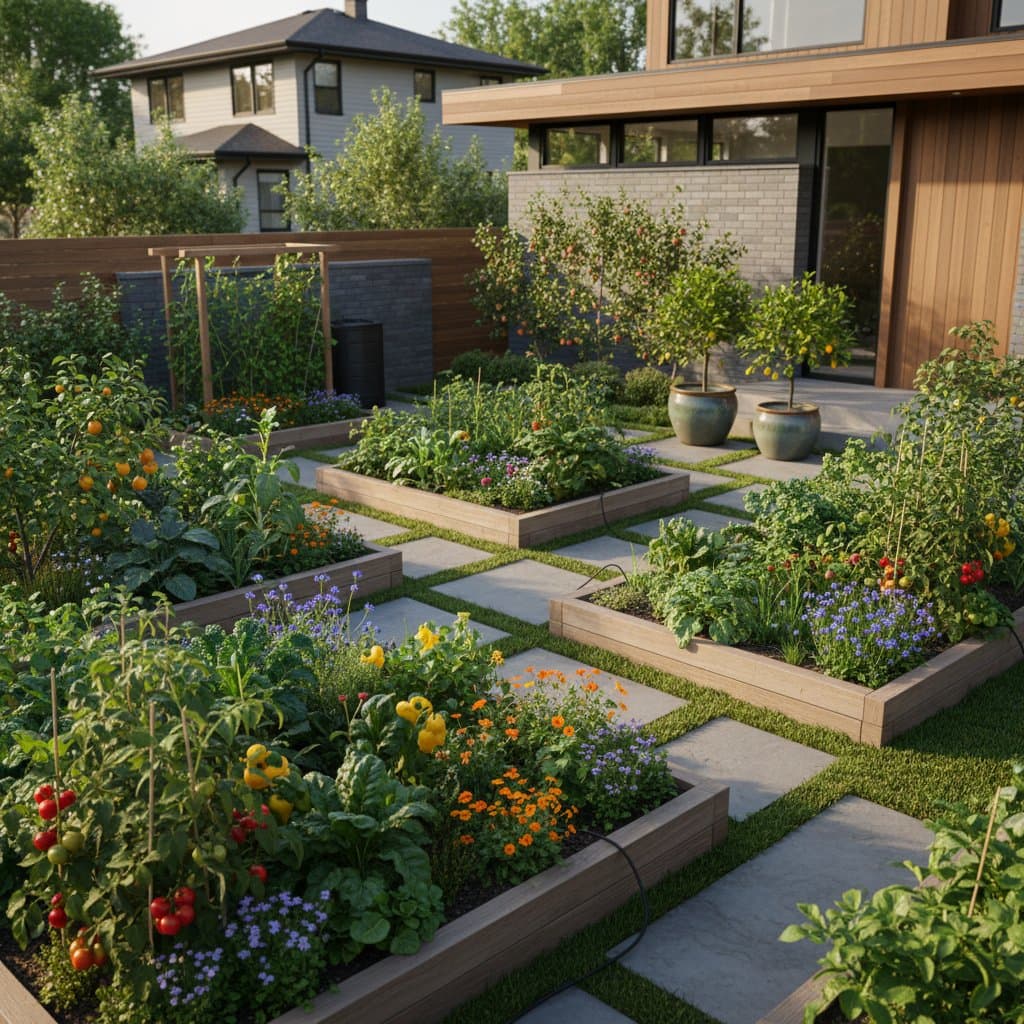
Edible Landscaping Yields $2,000 ROI in Front Yards
Picture harvesting fresh herbs, vibrant greens, and ripe tomatoes right from your front yard. This setup, crafted for both visual appeal and utility, can generate approximately $2,000 in yearly returns via savings on groceries and enhanced property value. Edible landscaping integrates food production into decorative spaces, preserving attractiveness and promoting enduring sustainability.
In California and comparable climates, residents discover that edible front yards offer practicality, productivity, and profitability beyond mere novelty. Success hinges on designs that fuse plant science with artistic elements.
Economic Advantages of Edible Landscaping
An edible front yard exceeds simple produce supply; it converts idle areas into revenue-producing zones. The $2,000 annual return derives from combined direct and indirect benefits:
- Savings on groceries from cultivating premium items like berries, salad greens, and herbs.
- Decreased water expenses via targeted irrigation and resilient edible species.
- Elevated property worth from superior visuals and eco-friendly attributes.
- Wellness gains that curb food waste and foster active lifestyles.
Traditional lawns demand ongoing mowing and watering, yet edible designs advance environmental and fiscal health. Initial costs for soil amendment, watering systems, and plants typically recoup within initial harvest periods.
Steps to Plan a Productive Front Yard
Effective planning starts with defined objectives. Determine if the focus lies on daily greens for salads or enduring yields from fruit trees. Clarity streamlines the process.
Evaluate microclimate conditions. California's diverse areas demand tailored approaches. Coastal zones favor mild-weather, salt-resistant varieties, whereas inland spots excel with sun-tolerant options like figs and peppers. Track sunlight patterns: morning light aids leafy vegetables, afternoon rays benefit tomatoes and citrus.
Optimize soil quality. Fertile soil underpins thriving edible setups. Analyze composition and nutrients, then boost with compost and organics. Employ raised beds or contoured mounds for better drainage and stylistic alignment with home architecture.
Blend aesthetics with productivity. Intentional designs ensure visual harmony. Pair showy artichokes with lavender for contrast, or use purple basil alongside multicolored chard against subdued paving.
Core Design Principles for Balance
Edible landscapes avoid the unkempt appearance of conventional plots. They achieve refined, front-facing elegance through structured elements.
Establish form and framework. Incorporate rectangular beds, winding edges, or stepped levels to match home lines. Dwarf rosemary or thyme borders outline paths and emit scents during passage.
Incorporate color and texture variety. Offset citrus gloss with sage's dull surfaces. Alternate delicate herb foliage with expansive vegetable leaves for depth. Include seasonal blooms like calendula and nasturtium to attract pollinators and inject vibrancy.
Build vertical elements. Install trellises, flat-trained fruit trees, or vine crops to maximize space. Select supports in metal or wood that complement existing fences.
Design accessible routes. Add stone pavers or crushed granite trails for straightforward harvesting and care. These choices endure, permit water infiltration, and align with conservation practices.
Selecting Optimal Edible Plants
Plant choices demand artistic and scientific consideration. Thriving setups feature visually pleasing, high-output varieties.
Compact, high-return options:
- Alpine strawberries form dense mats as ground covers.
- Basil, thyme, and chives deliver bold sights and scents for cooking.
- Arugula and lettuce permit successive plantings for steady supply.
Enduring foundation plants:
- Blueberries, pomegranates, and figs anchor views and yield reliably.
- Citrus offers constant foliage and periodic fruits.
- Artichokes and asparagus provide form and repeated crops.
Supportive companions:
- Marigolds ward off insects and edge plantings.
- Garlic and onions discourage aphids and similar pests.
- Lavender and borage aid pollination and habitat balance.
Aim for diverse layers that maintain vitality year-round. Variety bolsters soil vitality and pest resistance.
Strategies for Water Conservation and Durability
In water-limited California, efficiency defines viable designs. Edible gardens must endure with minimal resources.
Implement drip irrigation. This method targets roots to cut evaporation. Combine with mulch layers to hold moisture and block weeds.
Utilize rainwater collection. Barrels linked to gutters augment supplies in arid seasons.
Opt for permeable hardscapes. Gravel or decomposed granite curbs runoff and aids soil replenishment.
Such setups often consume less water than turf while yielding food and cost reductions.
Enhancing Curb Appeal Through Edible Design
Past concerns about utilitarian looks have faded with advanced methods. Well-planned edible yards match formal gardens in allure.
These plantings introduce motion and sensory depth. Olive leaves catch sunlight, lemon verbena scents entries, and maturing peppers add hue. Communities with such features experience heightened interaction as neighbors pause to appreciate or share insights.
Calculating the $2,000 Annual Value
This figure stems from realistic assessments, not speculation. For a 300-square-foot planting zone, strategic choices produce hundreds of pounds yearly.
- Rosemary borders supply herb needs for extended periods.
- Six tomato plants generate over 100 pounds.
- Raised beds furnish salad portions daily.
- Compact citrus or figs deliver dozens of pounds seasonally.
Valuing outputs at retail rates surpasses $2,000 in produce alone. Sustainable, attractive yards further boost resale potential in eco-aware markets.
Maintenance for Sustained Output
Regular care sustains edible landscapes without overwhelming effort. Efficiency arises from proactive planning.
- Install automated watering with timers for steady hydration.
- Prune seasonally to shape trees and bushes productively.
- Cycle annuals to preserve soil and avoid illnesses.
- Enrich ground with compost over direct feeding.
- Gather crops often to stimulate growth and minimize loss.
Mature perennials and balanced soils simplify routines over years.
Collaborating with Experts
Novices benefit from designer or specialist input to avoid errors. Experts draft plans suited to aesthetics, finances, and routines, overseeing setup, systems, and sourcing.
Local suppliers provide climate-matched, eco-sourced plants. Specialists in edible integration merge decorative and productive expertise.
Integrating the Garden into Daily Life
Post-installation, harvests reshape routines. Pair morning beverages with fresh raspberries or brew tea with pathway mint.
The yard evolves with familiarity. Abundant phases alternate with renewal, yielding not just sustenance but ties to nature and neighbors. Visitors remark on herbal aromas or entry fruits, forging memorable encounters.
Realizing Lasting Benefits
Edible front yards unite elegance and utility for self-sufficiency. They enrich home experiences with quantifiable finances and profound fulfillment.
Through precise planning, refined aesthetics, and consistent upkeep, this space evolves into a perpetual asset. From walkway herbs to full transformations, every element fosters resilience and enrichment, declaring purposeful abundance.