
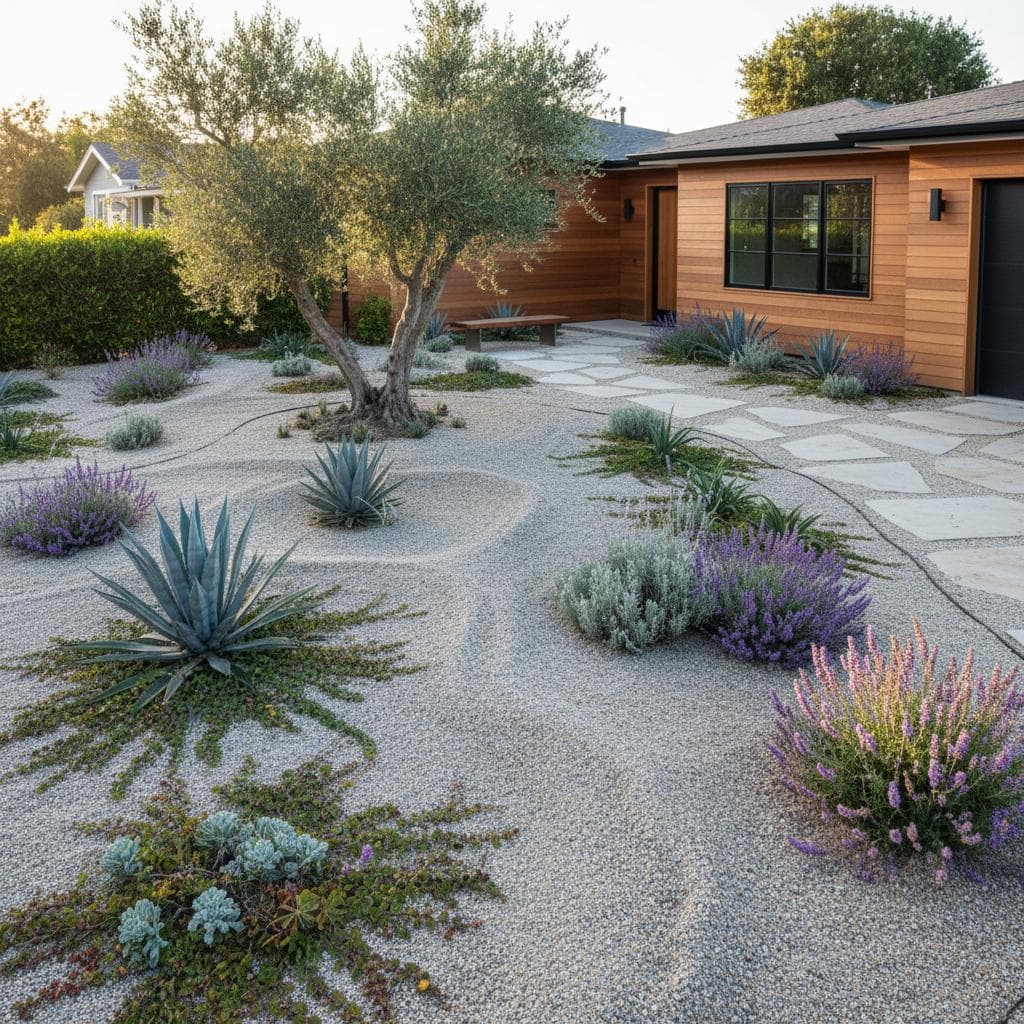
Gravel Lawns: A Sustainable Alternative to Traditional Turf by 2026
California residents balance the desire for attractive landscapes with the challenges of water scarcity. Strict conservation measures frequently target traditional grass lawns first. Homeowners seek options that maintain visual appeal and usability. Gravel lawns address these needs effectively. This approach uses stone surfaces integrated with native elements to create resilient, water-efficient outdoor spaces. By 2026, gravel lawns will gain widespread adoption in arid regions as a practical evolution in landscape design.
Gravel installations reduce water consumption dramatically while preserving aesthetic quality. They require minimal ongoing care and accommodate features like pathways and gathering areas. Proper execution ensures the result appears polished and inviting rather than sparse. For those committed to long-term sustainability, gravel lawns provide a forward-thinking solution that enhances property value and environmental harmony.
Planning a Gravel Lawn Installation
Effective gravel lawn development requires systematic preparation. This surface acts as an integrated system promoting drainage, stability, and ecological support. Begin with a comprehensive site analysis to guide material selection and layout.
Assess Site Conditions
Examine soil composition, terrain gradient, light exposure, and anticipated activity levels. Dense clay benefits from enhanced subsurface drainage via thicker gravel foundations, typically four to six inches deep. Loose sandy areas demand firm compaction to avoid material migration over time. Determine primary functions, such as social hubs, walkways, or ornamental zones, to inform scale and reinforcement needs.
Select Appropriate Gravel Types
Gravel varieties differ in size, shape, and color, each suited to specific applications. Opt for materials that align with local climate and usage patterns. Consider factors like heat retention and visual harmony with surrounding architecture.
Recommended gravel selections include:
- Pea gravel: Rounded pebbles, one-quarter to one-half inch in diameter, provide a soft walking surface ideal for play areas.
- Decomposed granite: Powdery texture that hardens under pressure, suitable for driveways or high-traffic paths.
- Crushed stone: Angular fragments offering grip and definition, perfect for borders or accent strips.
Select neutral earth tones to minimize glare in sunny exposures. Test samples in natural light to confirm compatibility with existing plants and structures.
Build the Foundation Layers
Success hinges on a solid subsurface structure. Follow these sequential steps for durability.
- Excavate the area: Clear turf, weeds, and organic matter to four inches minimum depth, ensuring complete root removal.
- Lay weed suppression fabric: Position permeable geotextile material to block invasive growth while permitting water passage.
- Install stabilizing base: Spread two to three inches of angular crushed rock, then compact firmly using a plate compactor.
- Apply surface gravel: Distribute one to two inches of selected gravel, leveling with a rake for uniform coverage.
Incorporate metal or composite edging around perimeters to secure boundaries and prevent spillover. For slopes greater than five percent, add geogrid reinforcement beneath the base to enhance stability.
Incorporate Vegetation and Amenities
Enhance gravel surfaces with complementary living elements. Drought-resistant plants establish roots directly in gravel or nearby soil pockets. California natives such as lavender, salvia, or sedum deliver seasonal blooms and aromas with sparse irrigation.
Introduce functional features like benches, large stones for seating, or interlocking pavers for defined paths. Install subtle pathway lighting with solar-powered units to extend usability into evenings. Position container gardens strategically to add height and focal points without overwhelming the open layout.
Key Environmental and Visual Advantages
Gravel lawns extend beyond water conservation to foster broader ecological gains. When combined with indigenous flora, they promote soil vitality and support local wildlife. The porous design facilitates groundwater replenishment by capturing rainfall and minimizing surface flow.
This infiltration reduces flood risks and soil loss compared to impermeable turf. Visually, gravel offers enduring patterns that evolve subtly with light changes. It accentuates plant forms and provides a neutral backdrop for vibrant accents.
Landscape professionals position gravel as connectors between hardscapes and gardens. Such zones delineate functional areas while preserving a seamless, site-specific character.
Investment Considerations and Durability
Upfront expenses for gravel lawns vary based on site size, soil preparation, and added features. Professional installation often matches or modestly surpasses grass sodding costs, ranging from five to ten dollars per square foot. However, annual savings on water and labor quickly offset this outlay.
Properties with gravel designs demonstrate resilience against climate shifts, appealing to future owners. Factor in durable edging, quality fabrics, and initial plantings when estimating budgets. Prioritize thorough base work to avert future repairs from settling or washouts.
Integrating Gravel into Lifestyle Spaces
Gravel surfaces complement entertainment zones like dining patios or lounging nooks. The stable yet yielding base accommodates tables, chairs, and grills without costly concrete pours. Acoustic properties dampen noise, fostering serene settings for relaxation.
Achieve unity by echoing gravel in ancillary elements, such as raised bed foundations or mosaic inserts. Pair with low-water borders of agave or ornamental grasses to temper starkness. In sloped terrains, strategic rock placement aids stability and integrates naturally with contours.
Strategic illumination, using pathway stakes or recessed fixtures, highlights textures after dusk. Energy-efficient choices ensure low operational demands and reliable performance.
Maintenance Routines for Sustained Appeal
Gravel lawns demand infrequent interventions to remain vibrant. Periodic raking, every two to four weeks, evens distribution and clears litter. Post-rain inspections identify low spots needing minor fill.
Rejuvenate compacted sections by gently aerating with a garden fork. Refresh the top layer annually with a quarter-inch application of matching gravel to counteract wear. Monitor for weeds through spot treatments, focusing efforts during spring and fall growth periods.
Support integrated plants with targeted deep watering, one inch weekly during establishment. Refresh designs by adding seasonal mulch rings or color accents to maintain engagement.
Embracing the Gravel Lawn Lifestyle
Established gravel landscapes redefine daily outdoor interactions. Freed from routine mowing and irrigation, owners enjoy unhurried appreciation of their surroundings. The gentle crunch underfoot invites mindful walks and spontaneous gatherings.
This design aligns with California's resource-conscious ethos, promoting harmony between home and habitat. Over time, the space evolves into a personalized retreat that withstands environmental pressures while delivering enduring satisfaction.