
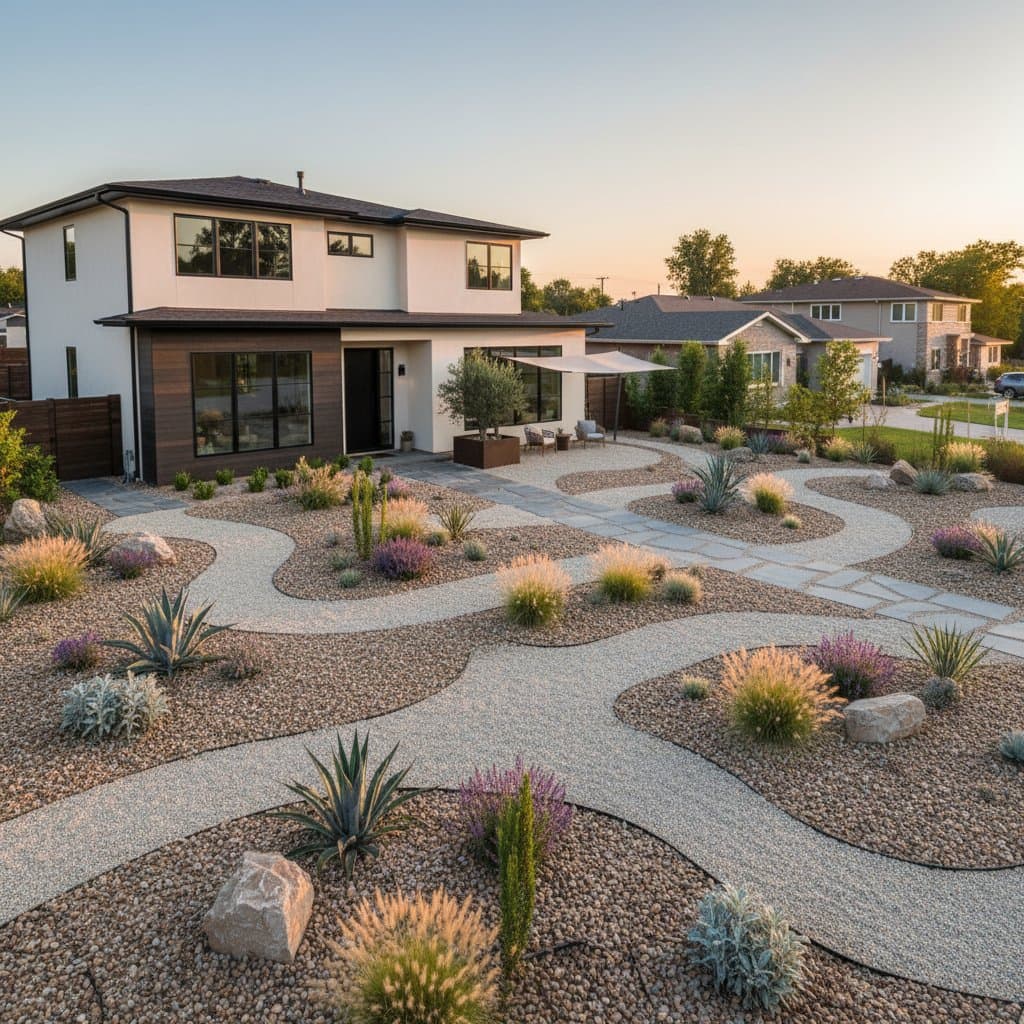
Transforming Suburban Yards: Gravel Gardens as Lawn Alternatives
Across suburban neighborhoods, traditional lawns face replacement by innovative gravel gardens. These landscapes combine practical sustainability with visual appeal, featuring drought-tolerant plants and textured surfaces. Homeowners discover a shift toward effortless outdoor spaces that conserve resources and enhance local ecosystems.
Gravel gardens emerge as a response to water scarcity and time demands of lawn care. They require minimal irrigation and upkeep, allowing residents to enjoy beauty without constant effort. This approach reshapes how families interact with their yards, fostering relaxation and environmental responsibility.
The Appeal of Gravel Gardens in Modern Suburbs
Suburban yards often struggle with expansive grass that demands frequent mowing, watering, and fertilizing. Gravel gardens address these challenges by substituting stone mulches and hardy perennials for turf. This transition not only reduces household chores but also aligns with broader sustainability goals.
Communities experience positive changes as more properties adopt this style. Reduced water usage lowers utility bills and eases pressure on municipal supplies. Additionally, these gardens support pollinators through native plant selections, boosting biodiversity in urban settings.
Homeowners appreciate the versatility of gravel designs. They suit various yard sizes, from small patios to larger backyards. The result creates inviting areas for gatherings or quiet reflection, all while maintaining a polished appearance year-round.
Key Benefits of Switching to Gravel Gardens
Water conservation stands as a primary advantage. Traditional lawns consume vast amounts of water, especially in dry climates. Gravel gardens, by contrast, rely on plants adapted to low moisture, cutting irrigation needs by up to 75 percent.
Maintenance demands drop significantly. Without mowing or weeding routines, owners reclaim weekends for leisure. Gravel surfaces suppress weed growth naturally, and permeable layers prevent puddles after rain.
Environmental impact improves with this choice. Gravel installations promote groundwater recharge through infiltration. They also minimize chemical use, as drought-tolerant species thrive without pesticides or herbicides.
Aesthetically, these gardens offer modern elegance. Varied gravel colors and plant heights create dynamic textures. This design elevates curb appeal, potentially increasing property values in eco-conscious areas.
Designing an Effective Gravel Garden
Successful designs begin with site assessment. Consider sunlight exposure, soil drainage, and intended use, such as play areas or seating zones. Sketch a layout to integrate paths, focal points, and planting beds.
Select gravel types suited to the climate. River rock provides a smooth, rounded look, while crushed stone offers angular contrast. Aim for sizes between 1/4 inch and 3/4 inch to ensure stability underfoot.
Incorporate drought-tolerant plants for color and structure. Choices include lavender for fragrance, succulents for bold forms, and ornamental grasses for movement. Group plants by water needs to optimize efficiency.
Add structural elements like boulders or edging stones. These define spaces and prevent gravel migration. Pathways of larger pebbles guide traffic flow, enhancing usability.
Balance open gravel areas with planted sections. A 60-40 ratio of stone to greenery maintains openness while providing habitat. Experiment with color themes, such as cool blues and grays for serenity or warm earth tones for vibrancy.
Step-by-Step Guide to Installing a Gravel Garden
1. Plan and Prepare
Measure the yard area and calculate material quantities. Estimate gravel depth at 2 to 4 inches for coverage. Research local regulations for water features or hardscapes.
Gather tools: shovel, wheelbarrow, landscape fabric, and edging materials. Budget for plants and stones based on supplier quotes. Involve family in visioning to ensure the design meets household needs.
2. Remove Existing Lawn
Clear vegetation using a sod cutter for efficiency. Rent equipment if the area exceeds 500 square feet. Dispose of grass responsibly through composting or municipal services.
Till the soil lightly to loosen roots, but avoid deep disturbance that brings weeds to the surface. Level the ground with a rake for even installation.
3. Install Base Layers
Lay landscape fabric over the prepared soil to block weeds. Overlap seams by 6 inches and secure with staples. Cut holes for plant placements as needed.
Add a 2-inch layer of sand or decomposed granite for drainage. Compact it firmly to create a stable base. This step prevents settling over time.
4. Place Edging and Gravel
Install metal or plastic edging along borders to contain materials. Drive stakes into the ground for support. Curve edges for organic flow.
Spread gravel evenly, starting from one corner. Use a rake to distribute and a tamper to settle. Check depth periodically with a stick.
5. Plant and Finish
Dig holes in the fabric for plants, matching root ball depth to soil level. Water thoroughly after planting to establish roots. Mulch around bases with finer gravel if desired.
Step back to assess balance. Adjust plants or stones for harmony. Allow a few weeks for settling before heavy use.
Maintaining Your Gravel Garden
Routine care remains simple. Inspect quarterly for weed seedlings and remove them promptly by hand. Replenish gravel annually if traffic causes displacement.
Water plants deeply but infrequently, focusing on the first year for root development. Prune perennials in spring to encourage growth. Monitor for pests, using natural remedies like neem oil.
Refresh the design seasonally by adding seasonal bloomers. Sweep paths to keep surfaces clean. These minimal tasks preserve the garden's allure with little effort.
Stories from Suburban Transformations
The Thompsons in a midwestern suburb exemplify success. Their former lawn, plagued by drought, gave way to a gravel garden with agave accents and decomposed granite paths. Water bills fell by half, and the space now hosts family barbecues.
Neighbors followed suit, creating a cohesive community aesthetic. One couple integrated a fire pit amid lavender borders, extending usability into evenings. These examples illustrate how gravel gardens adapt to lifestyles while yielding practical rewards.
Sustainable Yards for Lasting Impact
Adopting gravel gardens redefines suburban living with resilience and style. They deliver beauty that endures weather shifts and supports ecological health. Families gain outdoor havens that require less input yet provide more joy.
Explore this option to align your yard with forward-thinking values. The transformation yields immediate savings and long-term satisfaction. Suburban landscapes evolve, one gravel path at a time.