
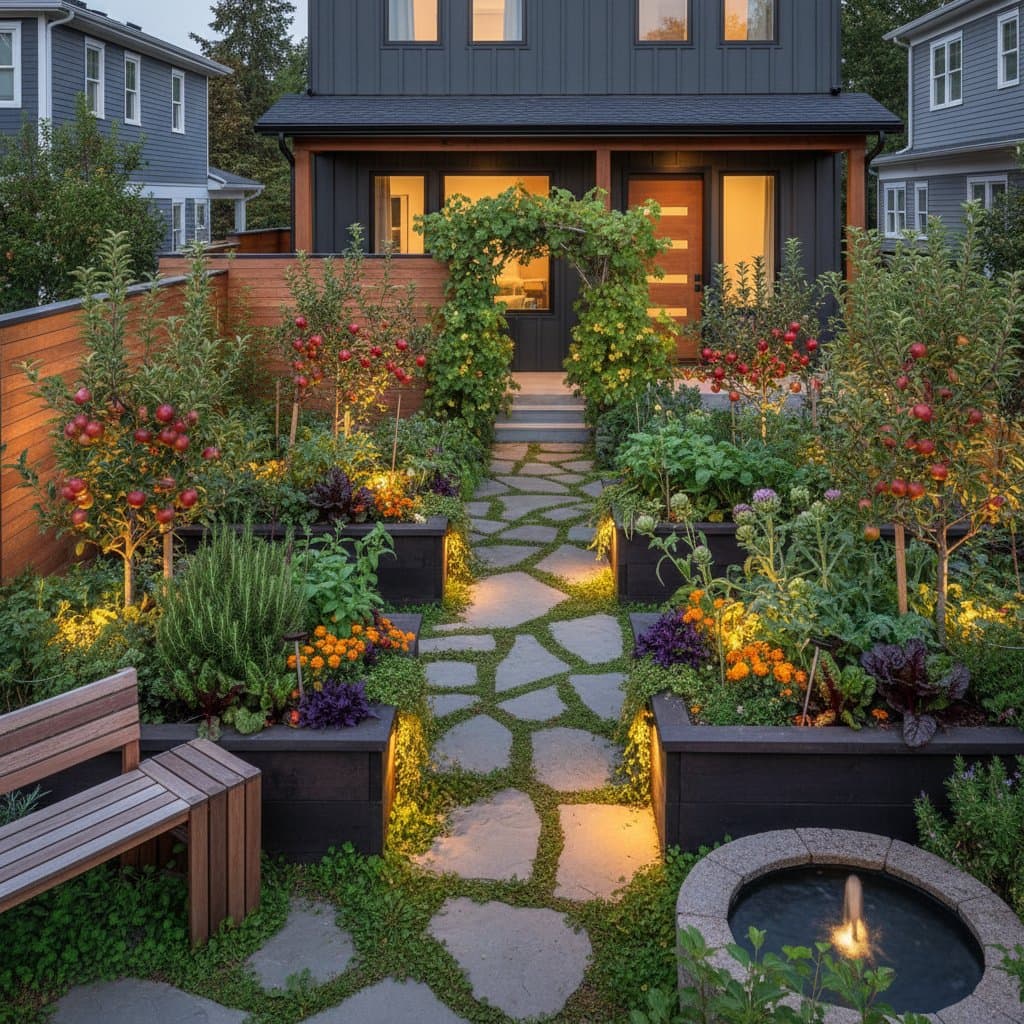
Front Yards as Edible Landscapes: A Rising Design Trend
Traditional front yards, once dominated by manicured lawns and ornamental shrubs, now serve as vibrant sources of fresh produce including lettuces, herbs, and fruit-bearing vines. Homeowners recognize that edible plants offer aesthetic appeal comparable to decorative varieties while providing convenient access to homegrown food. This evolution redefines curb appeal by harmonizing intentional design with functional utility.
At a Glance
Location: Residential neighborhoods
Size: Small to medium front yards, typically 200 to 800 square feet
Climate zone: Adaptable to USDA zones 4 through 10 with region-specific plant choices
Project goal: Develop a structured edible landscape that enhances property value and daily living
1. Establish a Structured Layout
Effective edible front yards require a well-defined framework to maintain order and visual harmony. Rather than placing vegetables haphazardly, delineate distinct planting areas that align with established garden principles. Incorporate raised beds measuring 4 feet by 8 feet, winding gravel paths 2 feet wide, and subtle borders using materials like reclaimed brick or corten steel to impose geometric clarity.
Landscape professionals emphasize that framing a combination of kale varieties, crisphead lettuces, and edible nasturtium flowers with durable edging elevates the overall presentation. Such organization simplifies ongoing maintenance and avoids the appearance of disarray. Opt for a balanced symmetrical arrangement featuring a central walkway leading to a prominent feature, such as a sculptural birdbath or a compact citrus tree like a Meyer lemon, ensuring the space conveys deliberate artistry over mere functionality.
Visual callout: Brick-edged raised beds arranged in precise rows showcase rainbow Swiss chard interspersed with golden marigolds for contrasting hues.
2. Integrate Ornamental and Edible Plants Seamlessly
Layering edible crops with ornamental elements produces a rich tapestry of colors, textures, and forms that competes with conventional front yard designs. Striking blue-green artichoke globes, feathery fennel fronds, and vivid red amaranth spikes provide architectural focal points. Introduce pollinator-attracting flowering herbs such as English lavender, creeping thyme, and broadleaf sage to temper the composition and promote biodiversity.
This strategic blending not only mitigates pest issues through companion planting but also sustains visual interest across seasons, as many herbs retain form and fragrance post-harvest. Landscape designers note that such integrations maintain vibrancy from the tender shoots of early spring to the robust displays of late autumn. The approach ensures the garden remains engaging even during transitional periods.
Example: Position clusters of purple ruffled basil along the base of a rosemary hedge to achieve unity in form and yield aromatic leaves for culinary use.
3. Select Plants That Offer Both Beauty and Yield
Front yard edibles demand selections that prioritize ornamental value alongside productivity to suit visible spaces. Choose compact fruit trees including dwarf Honeycrisp apples or Brown Turkey figs, which reach 8 to 10 feet tall and anchor the design without dominating the facade. Perennial options like Jersey Knight asparagus or Victoria rhubarb establish reliable returns with minimal annual effort, their upright spears and broad leaves adding vertical drama.
Robust leafy greens such as Bright Lights Swiss chard, Lacinato kale, and Red Giant mustard greens deliver bold, variegated foliage that persists through mild winters in temperate zones. Low-growing strawberries like Albion variety function as living mulch, suppressing weeds while producing sweet berries, whereas Northland blueberry shrubs contribute delicate white spring flowers, summer fruit, and fiery autumn foliage. Horticulturists advise viewing each plant through dual lenses of aesthetics and nutrition, selecting those that retain structure and color beyond peak harvest to support year-round appeal.
Visual callout: Dwarf apple trees frame a flagstone entry path, bordered by woolly thyme and alpine strawberries that trail softly over edges.
4. Incorporate Thoughtful Lighting Layers
Strategic illumination extends the usability and allure of edible front yards into the evening hours. Install low-voltage LED path lights spaced 4 to 6 feet apart along walkways and bed perimeters to guide movement safely. Apply uplights at the base of fruit trees or along espaliered vines to cast gentle highlights that accentuate silhouettes without overwhelming the scene.
Garden lighting experts highlight that multi-layered setups prolong outdoor enjoyment by creating warm, inviting atmospheres free from stark contrasts. Select weather-resistant materials like aged copper lanterns or matte black powder-coated steel bollards capable of withstanding humidity and occasional soil splashes. For eco-conscious setups in compact areas, integrate solar-powered stake lights that charge during the day and activate automatically at dusk, minimizing installation complexity.
Example: Discreet pathway fixtures nestled among oregano mounds and flat-leaf parsley emit a soft amber radiance as twilight fades.
5. Implement Efficient Watering Solutions
Reliable hydration systems sustain high yields in edible landscapes while promoting water conservation. Deploy subsurface drip irrigation lines spaced 12 inches apart to target root zones precisely, minimizing surface evaporation and foliar diseases. Layer 2 to 3 inches of organic mulch, such as finely shredded hardwood bark or wheat straw, over soil surfaces to regulate temperature, retain moisture, and suppress competitive weeds.
Capture rainwater by installing 55-gallon barrels beneath roofline downspouts, equipped with overflow diverters for excess flow. In arid or hot regions, deploy lightweight shade cloths rated at 30 percent density over sensitive greens like butterhead lettuce during peak sun hours. Landscape contractors observe that automated timers linked to soil moisture sensors enable consistent care with reduced manual intervention, allowing focus on harvesting and enjoyment.
Visual callout: A concealed drip tubing network threads through raised beds of buttercrunch lettuce and bell peppers, fed from a camouflaged rain barrel adjacent to the entry porch.
6. Incorporate Inviting Architectural Details
Edible front yards benefit from elements that bridge the garden with community life, ensuring they integrate seamlessly into the neighborhood fabric. Add a weathered teak bench or Adirondack chair positioned for optimal views, paired with irregular stepping stones to facilitate access. Erect a subtle wooden trellis archway, 7 feet high, over the entry gate to frame vining crops like scarlet runner beans while welcoming passersby.
Incorporate custom touches such as hand-painted slate labels denoting crop names or woven willow baskets displaying surplus herbs at the perimeter. Align materials with the home's style: sleek galvanized steel containers and rectilinear beds complement contemporary architecture, whereas soft gravel meanders and cedar raised planters enhance cottage aesthetics. Garden stylists assert that these refinements elevate utilitarian plots into cohesive outdoor extensions of the living space.
Example: A gently curved wrought-iron bench beneath a spreading Ficus carica tree provides respite and dappled shade amid ripening fruit.
Sustaining and Evolving Your Edible Front Yard
Edible front yards develop dynamically, benefiting from ongoing observation and adaptation. Practice crop rotation every season, alternating nitrogen-fixers like bush beans with heavy feeders such as tomatoes, to preserve soil fertility and prevent disease buildup. Regular pruning of fruit trees, removing deadwood and shaping canopies to 6 feet wide, upholds both form and fruit production.
Seasonal adjustments allow fluidity, transitioning from cool-weather arugula and spinach in spring to heat-tolerant cherry tomatoes and eggplant in summer, all while preserving the layout's inherent balance. Interactions with neighbors, sparked by visible bounty, cultivate shared knowledge and social bonds. Ultimately, these landscapes demonstrate that aesthetic refinement and practical abundance coexist, nourishing both body and surroundings through intentional cultivation.