
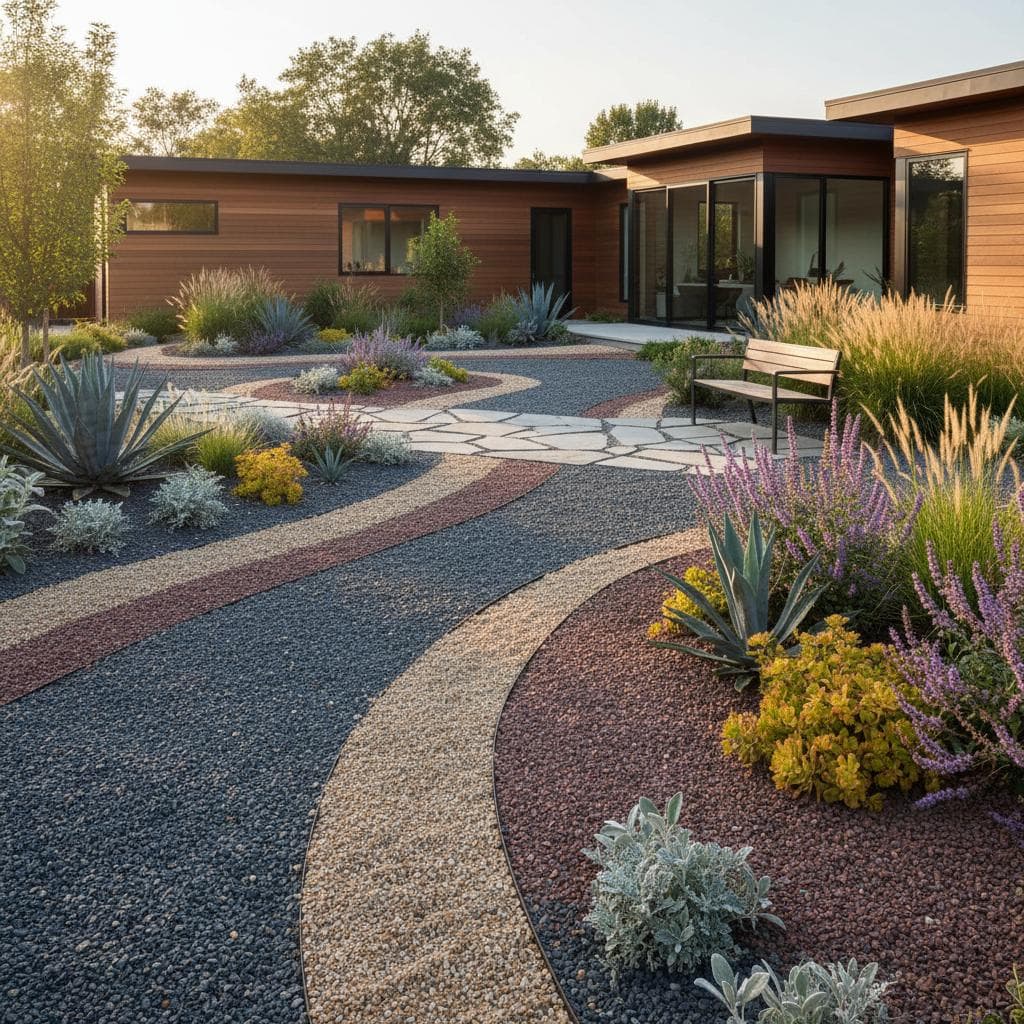
Gravel Gardens: A Low-Maintenance Revolution for 2026 Landscapes
Gravel gardens reshape the concept of effortless outdoor spaces. They supplant high-water lawns with structured arrangements of drought-resistant plants that flourish in permeable soils. The outcome yields a deliberate, organic environment that appears abundant yet requires little ongoing care such as frequent mowing or irrigation.
These gardens harmonize with local ecosystems rather than opposing them. They honor site-specific climates, aid pollinator populations, and curb water demands. Both homeowners and landscape professionals appreciate this fusion of visual allure and utility, which aligns seamlessly with contemporary lifestyles.
1. Establish a Solid Foundation
Effective gravel gardens demand meticulous groundwork. The initial layer dictates drainage efficiency, plant vitality, and sustained usability.
A designer observes: “Soil composition influences outcomes as profoundly as visible elements.” Inadequate drainage induces plant distress, whereas dense soil hampers root expansion. Till the earth to a depth of at least six inches, incorporating coarse sand or grit to enhance permeability. While weed barriers prove optional with substantial gravel coverage, breathable landscape fabric benefits weed-prone zones.
Key advantage: Sound preparation minimizes pooling water and weed intrusion.
Planning tip: Opt for crushed stone or pea gravel featuring diverse particle sizes to achieve an organic appearance.
Practical illustration: Decomposed granite as a base, overlaid with two inches of rinsed gravel, forms a pristine, enduring platform that accommodates vegetation and pedestrian use alike.
Visual element: A compacted gravel walkway meanders amid native plant clusters, providing form without rigid lines.
2. Select Drought-Tolerant Plants Strategically
Plant choices define the garden's character and resilience. Focus on species adapted to arid conditions that deliver color, texture, and ecological value.
Key advantage: Appropriate selections ensure survival with minimal supplemental watering.
Planning tip: Prioritize natives or xeriscape varieties that match your region's hardiness zone and soil type.
Practical illustration: Incorporate lavender for fragrance and purple blooms, agave for architectural form, and sedum for ground cover that spreads without aggression.
Group plants by water needs: cluster thirstier specimens near edges while centering ultra-dry options. Space them to allow gravel mulch to suppress weeds and retain moisture around roots. As plants establish, they create interlocking canopies that shade soil and reduce evaporation.
A horticulturist notes: “Diversity in heights and habits prevents monotony and bolsters biodiversity.” Evergreen shrubs like rosemary provide year-round structure, complemented by seasonal bloomers such as salvia.
Visual element: Lavender borders frame a central agave specimen, set against shimmering gravel expanses.
3. Layer Gravel for Texture and Depth
Varied gravel applications elevate the garden beyond uniformity. Different sizes and hues impart personality and suggest intentional curation.
Key advantage: Multiple layers secure footing and manage water flow.
Planning tip: Select shades that complement regional geology or home architecture.
Practical illustration: Fine limestone dust beneath coarser angular gravel maintains solidity while revealing tonal shifts.
A designer remarks: “Gravel functions akin to brushstrokes, establishing ambiance.” Buff-toned gravel evokes Mediterranean warmth, whereas slate or basalt gravel conveys sleek modernity. Deploy mixed varieties in strips or trails to direct pathways and delineate areas.
Apply gravel in depths of two to four inches, ensuring even distribution for optimal coverage. This technique not only beautifies but also insulates roots from temperature extremes.
Visual element: Expanses of light gravel offset darker pavers, yielding a sophisticated, contemporary aesthetic.
4. Integrate Hardscape for Structure and Flow
Balance gravel with durable elements to enhance functionality and visual interest. Stone, timber, and metal introduce stability and variety.
Key advantage: Hardscape delineates paths and stabilizes plant zones.
Planning tip: Echo gravel colors in adjacent materials for unified cohesion.
Practical illustration: Rustic corten steel edging contains gravel, paired with flagstone routes that invite traversal through verdant pockets.
A designer advises: “Exercise moderation: limit material types but apply them uniformly.” Consistent motifs and surfaces unify the composition and simplify upkeep. Benches or low walls from reclaimed stone add seating without overwhelming the natural motif.
Position hardscape to facilitate access while framing focal plants. This approach creates inviting corridors that encourage exploration.
Visual element: Steel borders enclose gravel plots brimming with resilient perennials.
5. Incorporate Lighting for Extended Enjoyment
Gravel's light-reflective quality amplifies nocturnal appeal. Strategic illumination prolongs garden use and accentuates surfaces.
Key advantage: Illumination promotes security and after-dark leisure.
Planning tip: Employ 2700 K warm-white bulbs for welcoming illumination.
Practical illustration: Install low-voltage fixtures along gravel routes or base uplights beneath ornamental grasses to evoke subtle motion.
A designer comments: “Thoughtful lighting prolongs outdoor hours minus intense beams.” Blend sources judiciously: pendant strings above lounges, uplights on boulders, and edge lights on trails foster a tranquil, elegant mood.
Solar-powered options minimize wiring needs, while timers ensure energy efficiency. This setup transforms evenings into serene extensions of the day.
Visual element: Gentle uplights illuminate miscanthus fronds against ebony gravel.
6. Implement Weed Control Measures
Weeds represent the primary upkeep challenge in gravel gardens. Proactive strategies maintain tidiness with minimal effort.
Key advantage: Pristine surfaces limit rivalry for desired plants.
Planning tip: Deploy at least two inches of gravel to deny light to seedlings.
Practical illustration: Manually remove emerging weeds promptly, avoiding chemicals that threaten pollinators.
A contractor suggests: “Address weeds promptly to sustain ease over time.” Seasonal raking or gravel replenishment revives appearance and impedes regrowth. Mulch circles around plants further isolate gravel zones.
Integrate dense ground covers like creeping thyme to outcompete intruders naturally. Regular inspections, perhaps monthly, keep the garden pristine.
Visual element: Raking imprints faint designs on revitalized gravel trails.
7. Build Climate Resilience into the Design
Gravel gardens transcend fashion; they adapt to environmental shifts. They conserve resources, enhance infiltration, and foster wildlife.
Key advantage: Permeable surfaces curb erosion and stormwater surge.
Planning tip: Ally gravel with indigenous flora that draw pollinators.
Practical illustration: Intersperse butterfly weed, black-eyed Susan, and yarrow amid light gravel to nurture bees and butterflies.
A specialist affirms: “This garden evolves as a dynamic ecosystem attuned to its surroundings.” Such adaptability suits areas with erratic precipitation or degraded soils. Monitor and adjust plantings as climate patterns evolve.
Visual element: Pollinators gather over yarrow patches within broad gravel fields.
Embracing the Rewards of a Gravel Garden
Gravel gardens promote unhurried appreciation. They flourish through equilibrium and nuance, eschewing extravagance.
Mature plantings temper gravel's firmness, yielding a realm that blends untamed vitality with polish. Avian visitors and insects proliferate, herbal scents mingle with earthen notes, and the space yields abundant returns for scant demands.
For those pursuing robust, conservation-minded exteriors, gravel gardens herald a pivot to intelligent, enduring habitation. The emphasis lies not in reduction, but in selections that endure.