
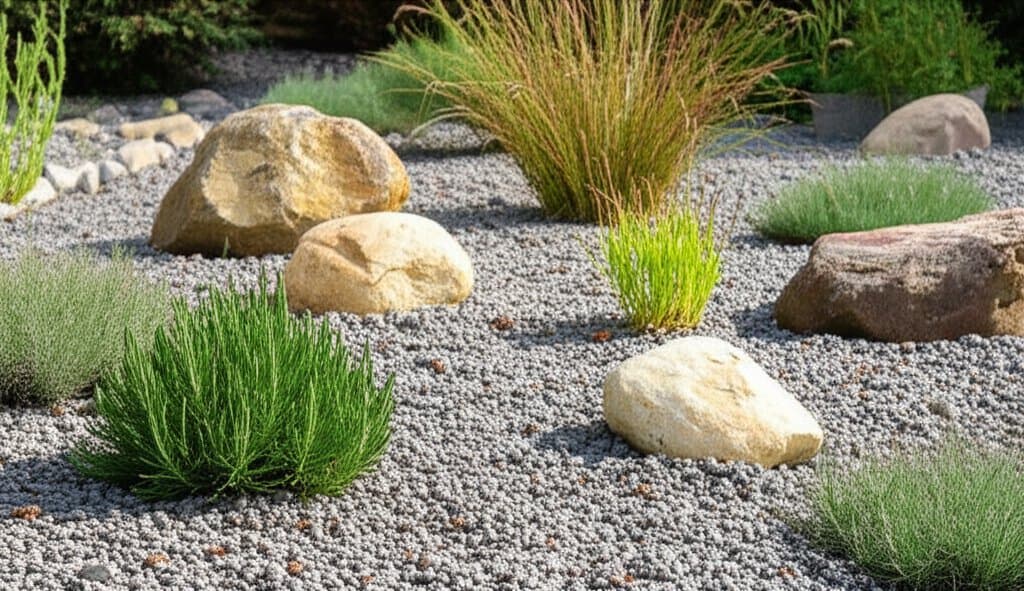
Introduction to Gravel Gardens
Gravel gardens represent a shift in modern landscaping toward sustainability and resilience. These designs utilize stone aggregates as the primary ground cover, paired with drought-tolerant plants to create landscapes that require minimal water and maintenance. As climate patterns evolve, homeowners seek alternatives to water-intensive features like lush lawns or organic mulches that decompose over time.
Traditional mulch, often made from wood chips or bark, offers temporary benefits such as weed suppression and soil moisture retention. However, it demands frequent replacement and can harbor pests in humid conditions. Gravel, by contrast, provides a permanent foundation that enhances drainage and reduces evaporation, making it ideal for arid regions or water-conscious gardens.
This approach aligns with broader environmental goals, conserving resources while delivering aesthetic value. Gravel gardens foster biodiversity through strategic plantings and contribute to healthier ecosystems by minimizing chemical use.
Advantages of Gravel Over Mulch
Gravel excels in longevity and low maintenance compared to mulch. While mulch breaks down within one to two years, exposing soil to erosion and weeds, gravel remains stable for decades with occasional sweeping. This durability cuts labor costs and time, allowing gardeners to focus on enjoyment rather than upkeep.
From a water conservation perspective, gravel gardens shine in drought-prone areas. The permeable surface allows rainwater to infiltrate the soil efficiently, reducing runoff and supporting deep-rooted plants that thrive on natural precipitation. Mulch, although helpful for moisture retention, compacts over time and may impede drainage during heavy rains, leading to root rot.
Aesthetically, gravel introduces texture and color variety absent in uniform mulch layers. Options range from smooth river rocks to angular decomposed granite, creating pathways, borders, and focal points that add depth to the landscape. This versatility suits contemporary, minimalist styles as well as rustic themes.
Environmentally, gravel gardens promote sustainability by using locally quarried materials, which lowers transportation emissions. They also support pollinators through nectar-rich perennials, enhancing local wildlife without the need for fertilizers that leach into waterways.
Designing a Drought-Proof Gravel Garden
Successful gravel gardens begin with site assessment. Evaluate sun exposure, soil type, and drainage patterns to determine the best gravel size and depth. For sandy soils, select finer gravels to prevent sinking; clay-heavy areas benefit from larger stones that improve aeration.
Soil preparation forms the foundation. Remove existing vegetation and amend the subsoil with compost to boost nutrient levels without relying on ongoing watering. Install edging, such as metal or stone borders, to contain the gravel and define planting zones. Aim for a depth of two to four inches of gravel over landscape fabric to suppress weeds while permitting water passage.
Plant selection emphasizes resilience. Choose succulents like agave and sedum, or native grasses such as blue fescue, which require little irrigation once established. Incorporate evergreen shrubs like lavender or rosemary for year-round structure. Space plants to allow gravel to dominate, ensuring air circulation that deters fungal issues common in mulched beds.
Incorporate functional elements for practicality. Create winding paths with compacted gravel for easy access, or cluster boulders as seating areas. These features enhance usability while maintaining the drought-proof ethos.
Step-by-Step Guide to Installation
-
Plan the layout: Sketch your garden design, marking plant positions and gravel zones. Consider scale; larger areas suit coarse gravel, while borders work well with pea gravel.
-
Clear and prepare the site: Excavate four to six inches deep, removing roots and debris. Level the surface and lay permeable geotextile fabric to block weeds without trapping moisture.
-
Source materials: Select gravel from local suppliers to match your region's hues and reduce carbon footprint. Calculate volume by measuring the area and multiplying by desired depth in feet, then dividing by 27 for cubic yards.
-
Install gravel: Spread evenly using a rake, then compact lightly with a tamper. Plant immediately, mulching root zones with a thin organic layer if needed for establishment.
-
Maintain the garden: Water deeply but infrequently during the first season. Refresh gravel edges annually and prune plants to preserve form. Monitor for sediment buildup after storms.
These steps ensure a professional result achievable by homeowners with basic tools.
Enhancing Comfort and Texture in Gravel Spaces
Gravel gardens extend beyond visuals to improve sensory experiences. The crunch underfoot provides a tactile contrast to soft mulch, evoking natural trails. Pair with permeable pavers for high-traffic zones to balance firmness and drainage.
Introduce vertical elements like trellises with drought-hardy vines to add privacy and shade without excess water use. Benches crafted from reclaimed wood integrate seamlessly, inviting relaxation amid the stone and foliage.
Seasonal adaptations keep interest alive. In cooler months, gravel reflects light to brighten dormant plants, while summer blooms in resilient perennials ensure vibrancy. This dynamic quality makes gravel gardens adaptable to varying climates.
Long-Term Benefits and Sustainability
Over time, gravel gardens yield significant savings in water bills and maintenance hours. They resist common yard pests and diseases, promoting a healthier environment for families and pets. By mimicking natural arid ecosystems, these landscapes build resilience against extreme weather.
Homeowners report increased property value through curb appeal that stands out in neighborhoods dominated by high-water lawns. The investment in gravel pays dividends in reduced utility costs and effortless beauty.
Embrace gravel gardens to cultivate spaces that endure and inspire. With thoughtful design, your yard becomes a testament to sustainable living, blending practicality with timeless elegance.