
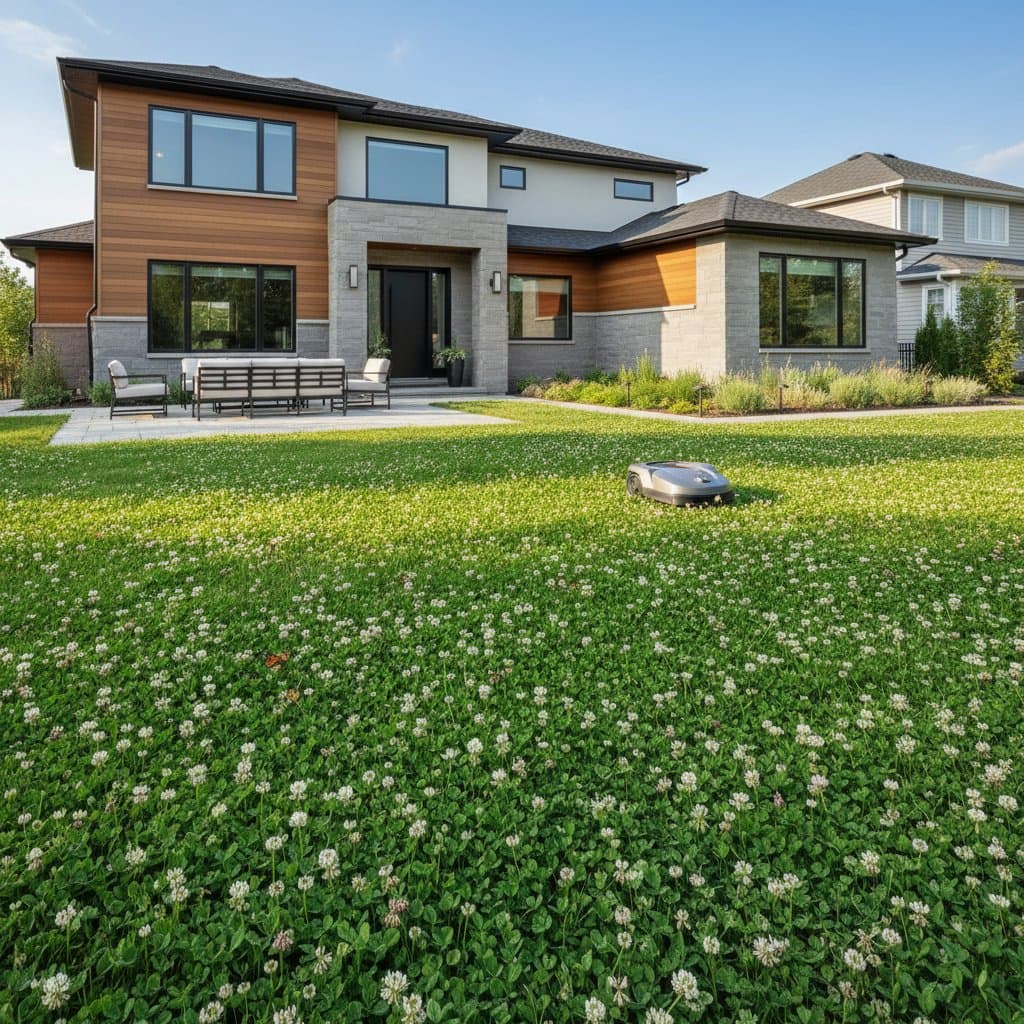
Why Homeowners Are Switching to Clover Lawns in 2026
A vibrant green lawn traditionally represents homeowner dedication. However, in California and other regions, many now replace grass with clover. This change, once limited to eco-focused gardeners, gains widespread adoption. It emphasizes sustainability, ease of care, and enduring benefits. Clover demonstrates how visual charm and durability coexist, even in demanding weather.
The Rising Popularity of Clover Lawns
Clover previously coexisted with grass until herbicides removed it from yards. Today, it returns as a deliberate choice. Homeowners value its gentle texture, minimal upkeep, and capacity to remain verdant through dry periods. In water-scarce areas like California, clover aligns with conservation needs and daily routines.
This evolution mirrors changing priorities. Individuals seek yards that demand less effort, cost less to sustain, and aid pollinators. Clover delivers these advantages while preserving attractiveness. Its compact foliage creates a thick mat that feels inviting to walk on and withstands intense sunlight without fading. For households with children, this softness often prompts the transition.
1. Superior Water Use and Drought Tolerance
Traditional grass requires frequent irrigation, particularly in dry climates. Clover, with its extensive root system, accesses water from deeper soil layers. Established clover needs substantially less watering than standard turf. Homeowners thus lower utility costs and ease pressure on local water supplies.
Clover's resistance to drought prevents unsightly bare spots during shortages. Unlike grass that turns dormant and brown, clover retains its lively hue and pliability. This quality reduces upkeep efforts and aligns with community conservation initiatives.
2. Built-In Soil Nourishment Without Synthetics
Clover enhances soil health through natural means. As a legume, it fixes atmospheric nitrogen, transforming it into usable plant food. This process benefits the clover and surrounding vegetation, often eliminating the need for commercial fertilizers.
Organic enthusiasts appreciate this feature. Reduced fertilizer application minimizes chemical leaching into drainage systems and ecosystems. It fosters a secure space for families, animals, and wildlife. A mature clover lawn sustains its nutrient levels annually, performing the role once filled by external inputs.
3. Natural Weed Control and Simplified Care
Clover's thick growth crowds out weeds effectively. Its horizontal spread limits space for intruders to establish. After full coverage, care routines simplify dramatically. Owners typically mow clover just three to four times yearly, versus weekly for grass.
Herbicides become unnecessary. Clover's vigor and robust roots maintain vitality independently. This approach streamlines maintenance and avoids toxic exposures. For time-strapped families, decreased watering, mowing, and treatments allow more leisure in the outdoor space.
4. Support for Pollinators and Ecosystem Health
Clover attracts bees, butterflies, and helpful insects, bolstering local biodiversity. As development erodes wild areas, modest clover patches offer vital resources. The blooms supply essential nectar and pollen, supporting pollinators essential for agriculture.
Options like microclover minimize flowers for those preferring fewer insects. Many, however, welcome the occasional blooms as an eco-contribution. Regardless, clover enhances habitat diversity directly in residential settings.
5. Long-Term Financial Advantages
Initial clover setup involves low costs, with inexpensive seeds. Savings accumulate from skipped fertilizers, pesticides, and excessive watering. Mowing expenses also decline due to clover's slow, uniform growth.
For forward-thinking owners, these factors prove compelling. Clover delivers consistent results with minimal recurring outlays or labor. It withstands regular use and regenerates thin areas through self-propagation, avoiding costly repairs like sodding.
6. Combining Clover and Grass for Balance
Many blend clover into existing grass for optimal outcomes. This combination yields turf's familiar appearance alongside clover's toughness and eco-perks. Grass thrives in the nitrogen-boosted soil, and clover conserves moisture while covering gaps.
This strategy suits gradual adopters, especially families easing into change. Clover gradually prevails, altering the yard's look and demands subtly. It serves as an adaptable entry for those not ready for a full conversion.
7. Diverse Visual and Tactile Qualities
Clover provides a nuanced aesthetic beyond grass's uniformity. Its leaves offer a subtle gloss, and rounded forms introduce depth. In partial shade or irregular ground, clover excels, holding color and fullness where grass falters.
Creative gardeners integrate clover with accents like ornamental plants or natives. Edged by paths or borders, it crafts a cohesive, polished design. This setup captures the casual sophistication of regional outdoor aesthetics.
8. Broader Ecological and Practical Gains
Selecting clover signals a commitment to ease and stewardship. It cuts dependence on sprinklers, chemicals, and fuel-driven equipment, promoting cleaner environments and robust earth.
This aligns with trends in green home improvements. Like energy-efficient features or resilient flora, clover advances practical sustainability. It demands little, emits less, and sustains appeal effortlessly.
Steps to Establish a Clover Lawn
Converting to clover requires straightforward preparation and patience. Follow these guidelines for optimal results.
-
Evaluate the current yard. Clear weeds and thin grass to favor new growth. Aerate or rake lightly for seed contact.
-
Select appropriate types. Opt for microclover in compact areas for its fine, low profile; use Dutch white clover for broader or hybrid setups.
-
Distribute seeds uniformly. Use a spreader or manual method, then apply gentle initial watering.
-
Irrigate strategically. Maintain even moisture for the first month, then taper as roots strengthen.
-
Mow sparingly. Trim only to shape or clear flowers once rooted, preserving natural height.
-
Steer clear of chemicals. Skip fertilizers and weed killers to support clover's inherent equilibrium.
Clover spreads steadily, forming a durable green layer. Improvements appear within one season, often sparking neighbor interest in its effortless vibrancy.
Sustaining Clover for Lasting Success
Once in place, clover demands routine observation rather than intensive work. Monitor for bare spots and overseed if needed during cool weather. This ensures continued density and health. Homeowners enjoy a yard that enhances property value through resilience and charm, adapting seamlessly to lifestyle demands.