
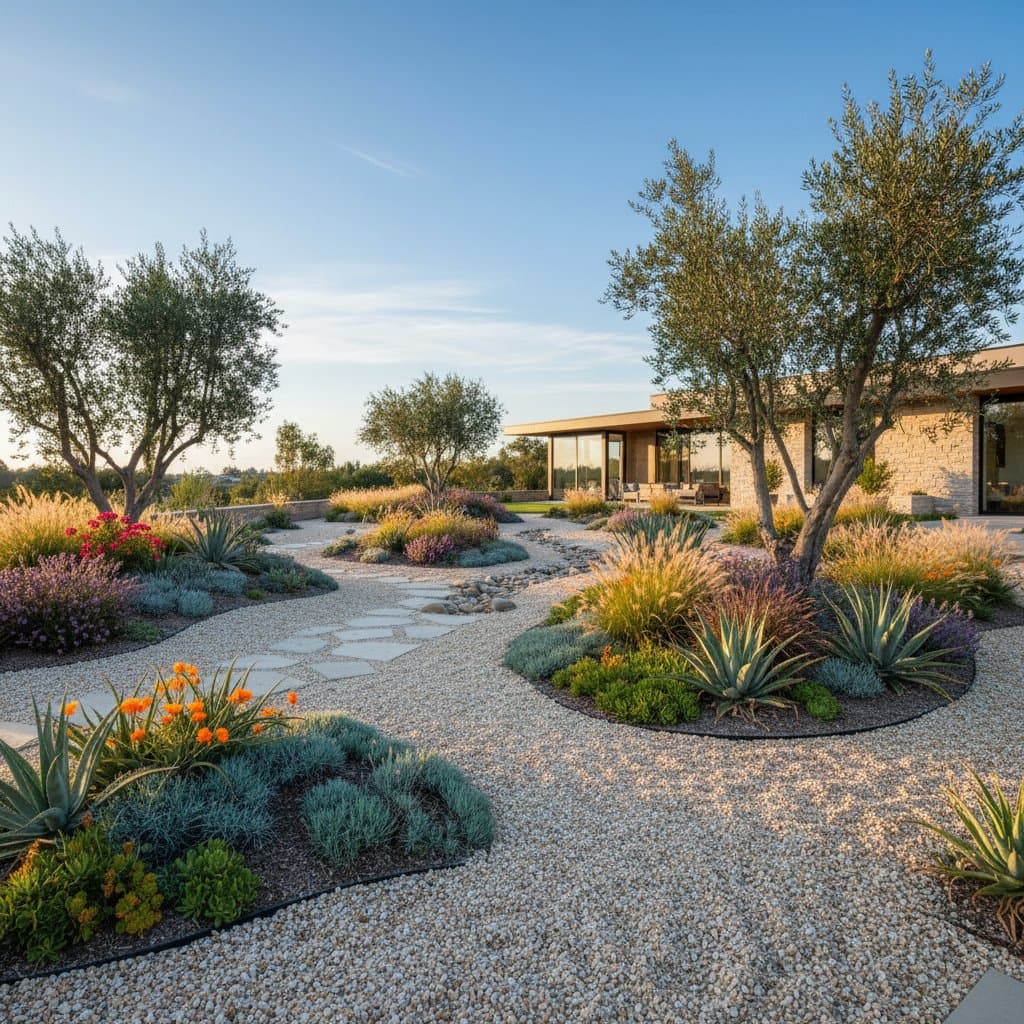
Gravel Gardens: A Revolution in Cost-Effective, Low-Maintenance Landscaping
Homeowners in California often face rising water bills after prolonged dry summers. Many question the value of maintaining traditional lawns. Gravel gardens emerge as a compelling alternative, delivering visual appeal, reduced effort, and savings up to 60 percent over conventional grass or water-intensive plantings. These gardens combine practicality with aesthetic sophistication, aligning modern style with environmental stewardship.
A thoughtfully designed gravel garden avoids the appearance of a stark, empty lot. Instead, it features abundant layers and textures from drought-resistant plants that flourish in sunny, arid conditions. Residents in coastal zones or interior regions alike can cultivate resilient spaces that reflect personal taste and refined execution.
Essential Steps for Planning an Effective Gravel Garden
Effective gravel gardens result from deliberate preparation. Although they convey a casual vibe, superior designs address water flow, soil composition, and vegetation arrangement with precision. Evaluate your property's characteristics before acquiring materials.
Assess Soil Composition and Drainage
Gravel gardens perform best in soils that drain efficiently. Dense clay retains excess water, risking root decay in plants. For slow-draining sites, elevate beds by several inches or incorporate coarse sand alongside organic matter to enhance permeability. Conduct a basic drainage evaluation by excavating a one-foot-deep hole, adding water, and timing its percolation. Persistent moisture after hours signals the need for soil modification or site recontouring.
Select Appropriate Gravel Varieties
Gravel choices vary in size, hue, and grain, each affecting aesthetics and utility.
- Crushed gravel compacts firmly, forming reliable bases for walkways or lounging spots.
- Pea gravel yields a gentler, organic appearance, though it may displace with foot traffic.
- Decomposed granite delivers a smooth, dense finish suitable for terraces or access routes.
- River rock introduces bold contrasts and focal points, reserved for highlights given its heft and expense.
Combining gravel types introduces depth in coloration and form, fostering a more naturalistic environment.
Establish Layers for Durability and Appeal
Begin with a foundational layer to ensure longevity. Install a breathable fabric to deter weeds, followed by a three-inch gravel spread. This depth controls weed emergence and regulates subsurface humidity. For visual softness, displace gravel around plant bases so crowns protrude marginally above ground level, averting stem rot from accumulated dampness.
Incorporating Functional Outdoor Areas in Gravel Gardens
Gravel gardens extend beyond vegetation to encompass livable features like patios, gathering zones, and focal elements. The material's firmness and porosity complement natural footing while suiting California's laid-back outdoor culture.
Consider these integration strategies:
- Seating arrangements: Position outdoor seating on crushed gravel for an effortless terrace. Incorporate oversized stepping stones beneath furniture for added support.
- Circulation paths: Outline routes with gravel in differing shades or borders of metal, rock, or reclaimed timber.
- Heating elements: Encircle fire pits with decomposed granite or pressed gravel to form secure, thermal barriers.
- Drought-adapted highlights: Place unglazed pottery vessels or shallow basins as serene accents, requiring no mechanical watering.
Such additions elevate the garden's practicality, evolving it into a versatile extension of living space.
Streamlined Maintenance Practices
Gravel gardens demand far less attention than standard yards. Regular, straightforward routines preserve their pristine condition across seasons.
Follow this maintenance schedule:
- Weed management: Extract emerging seedlings manually. Thick gravel and barriers limit invasions, yet vigilance remains essential.
- Surface grooming: Rake periodically to even out gravel and clear litter. Replenish with a light layer every two to three years to sustain volume.
- Plant shaping: Cut back faded blooms and refine shrubby growth one to two times annually.
- Water system review: Examine drip lines for blockages and calibrate output seasonally.
- Establishment support: Apply biodegradable mulch near recent plantings until gravel integration stabilizes roots.
These practices ensure the garden remains vibrant and orderly with minimal investment.
Tailored Design Concepts for California Properties
California's varied terrains inspire unique gravel garden interpretations. Littoral settings favor muted silvers and fleshy succulents echoing marine influences. Arid interiors pair sun-warmed aggregates with aromatic herbs, salvias, and flowing grasses that capture golden-hour light.
Pursue these thematic approaches:
- Contemporary simplicity: Pair polished gravel with bold yuccas or aloes amid geometric forms for tranquil minimalism.
- Old World allure: Integrate clay vessels, santolina, and oregano to summon sunlit Italian gardens.
- Indigenous prairie: Weave gravel trails through buckwheat, Cleveland sage, and wild buckeye for authentic regional resonance.
- Arid sophistication: Employ light-toned stone, opuntia, and rusted metal for striking, resource-efficient drama.
Nurturing Long-Term Garden Resilience
As your gravel garden matures, observe its adaptations to climate and use. Vegetation expands gradually, stones integrate seamlessly, and daily light patterns reveal evolving compositions.
Monitor performance closely. Identify thriving species and address any underperforming zones promptly. Introduce seating, art, or container specimens as needs arise. Gravel gardening rewards patience with a dynamic yet dependable sanctuary, balancing fiscal prudence, ecological balance, and timeless allure for discerning homeowners.