
-
Integrate Edibles with Decorative Elements
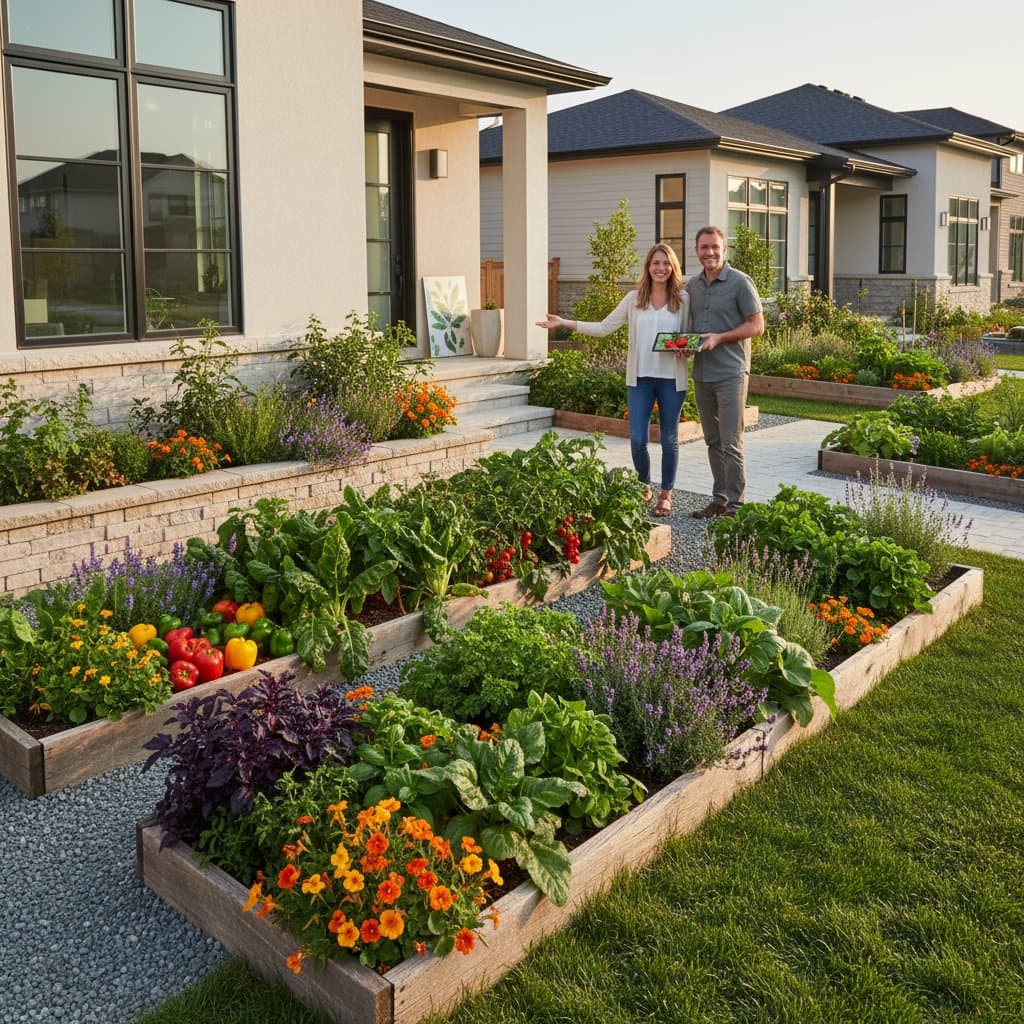
Merge greens like spinach with blooming companions such as nasturtiums. Varieties of Swiss chard provide vivid hues and form. Accent with thyme or echinacea to unify the composition. -
Incorporate Structured Beds and Edges
Sharp boundaries promote tidiness. Construct raised enclosures from cedar, brick, or galvanized panels to confine earth and convey purpose over spontaneity. -
Select Space-Efficient or Ornamental Cultivars
Opt for compact apple espaliers, container-bound peppers, or multicolored beets. Contain vining crops like beans on lattice supports to prevent unchecked spread. -
Maintain Uniform Elevation and Arrangement
Introduce height variations for dynamism, but curb excess disorder. Cluster specimens in recurring motifs to establish cadence and equilibrium. -
Ensure Seasonal Continuity
Cycle plantings through seasons while retaining permanent fixtures like olive branches or bay laurel. Such elements prevent sparse appearances during off-cycles. -
Harmonize Color Schemes
Evaluate leaf tones alongside blooms and yields. Emerald parsley, burgundy kale, and dusty miller form an artistic array comparable to formal plantings.
Approaching HOA Policies and Dialogue
Examine your associations existing landscaping provisions prior to starting. Certain groups implement dedicated edible garden frameworks, whereas others evaluate submissions individually. Present a detailed proposal featuring species inventories, watering schematics, and illustrative sketches when feasible. Demonstrating thoroughness and design acumen assures the initiative elevates communal standards without disturbance.
Engage the board or greenery panel effectively. Articulate how the layout advances shared goals including resource efficiency, visual enhancement, and real estate worth. Commit to diligent upkeep and prompt substitution of underperformers to affirm enduring attractiveness.
Should regulations lag, rally fellow residents with similar visions. A formal request or group discussion highlights widespread support for progressive landscaping. Associations often yield when evidence shows alignment with collective aspirations over solitary challenges.
Achieving Equilibrium Between Yield and Visuals
An edible front yard merits equal regard for sight and sustenance. Attaining this demands forethought, steady attention, and selective pruning. Clear spent foliage swiftly, secure upright stems with supports, and refresh voids with new growth to sustain vitality. Apply bark mulch to trails and pea gravel accents for refinement and weed control. Subtle touches like uniform pots or labeled stakes reinforce overall unity.
View planting sections as defined outdoor spaces. Assign roles and highlights to each: a dwarf lemon might center a plot, with trailing greens edging borders. This method elevates cultivation to architectural synergy with the residence.
Benefits of Expert Collaboration
Homeowners achieve reliable outcomes by partnering with specialists in productive landscapes. Experts draft blueprints encompassing water delivery, nutrient management, and crop rotation for sustained performance. They navigate association criteria adeptly, optimizing output and elegance. Initial costs typically offset efforts by averting issues like overcrowding or inadequate runoff.
Specialists adapt designs to regional conditions as well. Maritime mists, valley warmth, or elevated chills necessitate tailored selections. Informed adjustments safeguard both harvest potential and ornamental integrity.
Integrating Edible Gardens into Daily Routines
Established edible front yards weave into everyday patterns seamlessly. Daily inspections of maturing peppers, twilight clippings of mint for meals, and periodic gatherings infuse care with purpose. Guests remark on the energy of spaces brimming with life and provision. Young ones grasp food sources firsthand, while peers observe the transition to intentional greenery.
These installations gradually reshape local norms. As associations observe maintained edible yards that bolster rather than diminish asset values, opposition wanes. The fusion of utility and grace emerges as intuitive.
Sustaining Long-Term Garden Success
To nurture ongoing vitality, monitor soil quality annually with amendments like compost for nutrient balance. Adjust irrigation based on weather patterns, using timers for precision. Document growth cycles to refine future plantings, ensuring consistent productivity and appeal year after year.