
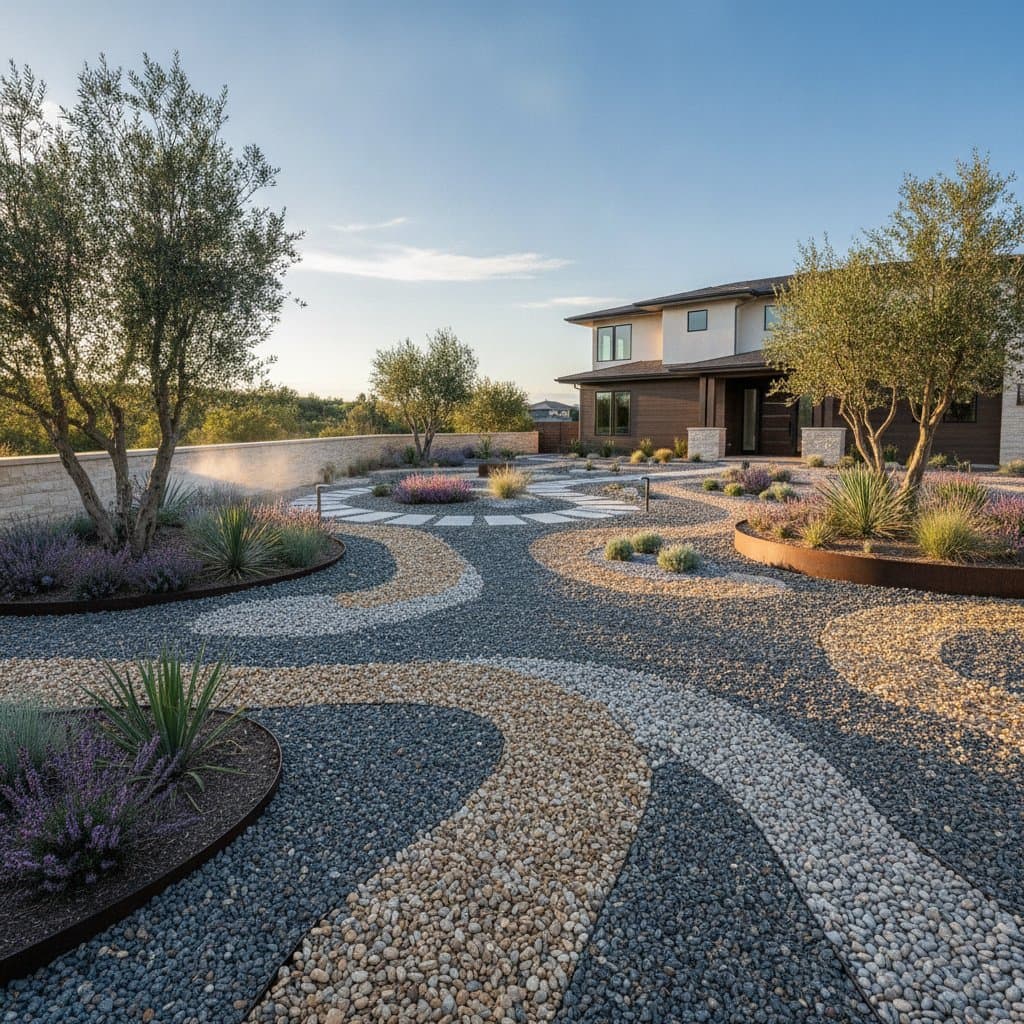
Gravel Lawns: 2026 Low Maintenance Alternative to Traditional Grass
A green, manicured lawn has long symbolized home pride. For many homeowners, however, the upkeep no longer matches current lifestyles. Water restrictions, rising maintenance costs, and shifting climates prompt new approaches to outdoor design. Gravel lawns now gain steady interest among California homeowners and others seeking sustainable options.
Reasons Gravel Lawns Gain Popularity
A gravel lawn replaces conventional turf with a permeable layer of decorative gravel. Designs range from sleek contemporary surfaces to more rustic appearances. The main advantages include zero mowing, fertilizing, or irrigation after installation. This setup suits dry regions and households with limited time for yard work.
The change also supports broader goals in resilient landscaping. Gravel surfaces reduce runoff, limit erosion, and create cooler ground conditions when combined with targeted plantings. Installations last for decades with only occasional additions of material, which improves long term value.
Steps to Plan a Gravel Lawn
Careful planning ensures the surface meets daily needs while remaining attractive. Begin by evaluating how the space will function, whether for seating, foot traffic, or visual interest. This assessment guides gravel type and base preparation.
- Evaluate drainage patterns across the yard. Gravel works best on well drained soil. Sites that collect water benefit from a French drain or minor regrading to avoid puddles.
- Select gravel suited to the intended use. Pea gravel offers a smoother feel underfoot. Decomposed granite creates a firmer, more stable walking surface.
- Install durable edging with steel, stone, or concrete. These borders maintain clean lines and stop gravel from spreading onto paths or beds.
- Add stepping stones or pavers where people will sit or gather. Proper compaction of the gravel layer improves comfort for extended use.
Installation Process
Quality results depend on thorough site preparation. Remove existing turf and weeds first, then level the soil. Lay a breathable weed barrier fabric to reduce future growth while allowing water passage.
Place a three inch base of crushed rock and compact it firmly for stability and drainage. Add two to three inches of the chosen decorative gravel on top. Rake the surface evenly and compact it lightly to achieve a uniform finish. Mixing gravel sizes can increase visual texture and improve stability.
Local stone sources often provide the best color match with surrounding features and support nearby suppliers.
Adding Plants and Other Features
Plantings soften the gravel surface and restore a living element to the area. Drought tolerant species such as lavender, thyme, and ornamental grasses establish well in rocky conditions. Arrange them in groups to suggest a meadow or use them as low edging along routes.
Succulents and native shrubs require little water once rooted and supply year round form. Large boulders or sculptural planters introduce contrast between solid mass and foliage. Solar path lights or low voltage fixtures accent the gravel texture after dark.
Routine Care Requirements
Maintenance stays minimal. Occasional raking redistributes gravel and clears leaves or debris. A solid base and fabric barrier limit weed emergence, while any remaining plants respond to hand removal or a vinegar solution.
Topping up the gravel layer every few years restores depth and appearance. This task requires only a short weekend compared with weekly mowing and watering of a grass lawn.
Environmental Advantages Over Time
Gravel lawns conserve water and eliminate the need for chemical fertilizers. They also reduce noise and exhaust from power equipment. The permeable surface lets rainfall soak into the ground instead of flowing into storm drains.
In California, the approach aligns with local climate patterns and sustainability priorities. Light colored gravel reflects sunlight and helps moderate temperatures near the house. When paired with shade structures and native plants, the space remains usable during warmer months.
Buyers now favor landscapes that require little ongoing work. A well executed gravel lawn adds visual appeal and practical benefits that support property value.
Daily Experience With the Finished Surface
After installation, the gravel surface supports varied activities from group gatherings to quiet moments outdoors. Furniture rests evenly, children play without mud, and pets adjust readily. The slight crunch underfoot provides a distinct sensory quality.
Mature plantings allow further refinements such as added seating or drip irrigation lines. The layout can shift as household routines or weather patterns change.
Starting Your Gravel Lawn Project
Quality materials, accurate grading, and clear borders produce reliable results whether the work is completed by the homeowner or a contractor. The finished landscape delivers reduced water use, lower upkeep demands, and a design suited to regional conditions.