
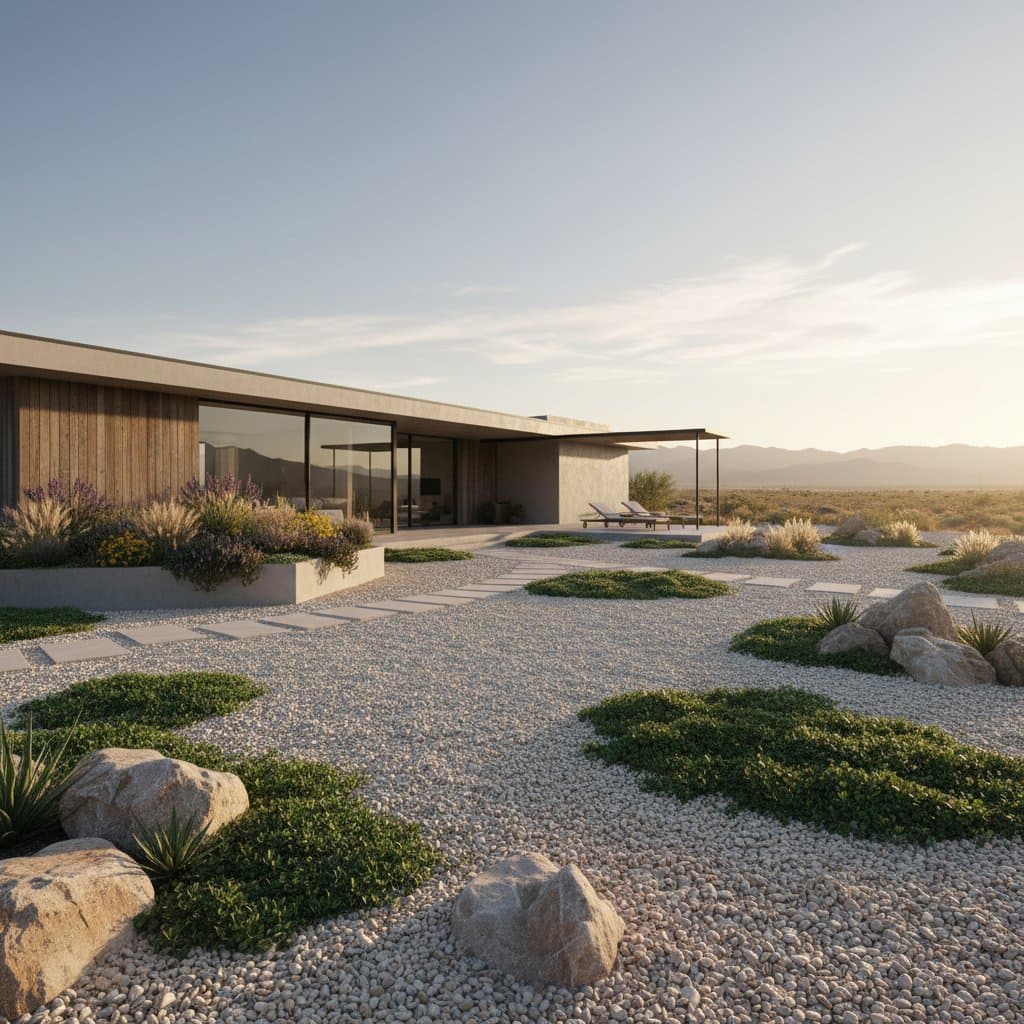
Introduction to Gravel Lawns
Traditional grass lawns demand significant water and maintenance, especially in arid regions. Gravel lawns emerge as an innovative alternative, offering visual interest without the constant need for irrigation. These designs incorporate stones, sands, and complementary elements to create resilient outdoor areas that enhance property value and environmental harmony.
Homeowners in drought-prone areas increasingly turn to gravel lawns for their practicality. Such landscapes mimic natural dryscapes while providing modern functionality. The result is a space that requires little effort yet delivers enduring beauty.
Key Benefits of Switching to Gravel
Gravel lawns conserve water by eliminating the need for regular watering. Unlike turf, which can consume hundreds of gallons weekly, gravel surfaces retain moisture efficiently through strategic layering. This approach supports sustainability goals and reduces utility costs.
Maintenance demands drop substantially with gravel installations. Weeding occurs infrequently, and no mowing schedules disrupt weekends. The durable nature of gravel withstands foot traffic and weather extremes, ensuring long-term stability.
From a design perspective, gravel lawns introduce texture and color variety. Options range from smooth river rocks to angular decomposed granite, allowing customization to match architectural styles. These elements foster biodiversity when paired with native plants, attracting pollinators without supplemental care.
Selecting the Ideal Gravel Type
Choose gravel based on climate, aesthetic preferences, and functional needs. For hot, dry areas, opt for light-colored stones like pea gravel or crushed limestone, which reflect sunlight and stay cooler underfoot. These materials provide a clean, contemporary look suitable for patios or pathways.
Consider particle size for stability and drainage. Smaller stones, such as 3/8-inch gravel, create a finer surface ideal for play areas, while larger 3/4-inch options suit driveways or high-traffic zones. Always source locally to minimize environmental impact and transportation costs.
Test samples in your space to assess color harmony with surrounding features. Neutral tones blend seamlessly with modern homes, whereas warmer hues like terracotta gravel add vibrancy to Mediterranean-inspired gardens. Prioritize angular gravel over rounded for better interlocking and reduced shifting over time.
Preparing Your Site for Installation
Begin by assessing the area for drainage and soil conditions. Clear existing vegetation, roots, and debris to prevent future growth issues. Use a sod cutter for grass removal, then till the soil to a depth of 4 to 6 inches for proper base preparation.
Install a weed barrier fabric to suppress unwanted plants without chemicals. Overlap seams by 6 inches and secure with landscape staples. This step ensures the gravel remains dominant while allowing water percolation.
Level the ground using a rake and tamper for even distribution. Slope the surface slightly away from structures to direct runoff effectively. In clay-heavy soils, add a 2-inch layer of sand or coarse soil to improve drainage and prevent pooling.
Tools Needed for Preparation
- Sod cutter or shovel
- Rake and tamper
- Landscape fabric and staples
- Measuring tape and level
Step-by-Step Layering Process
Establish a solid foundation with 4 inches of crushed stone or road base. Compact this layer thoroughly to create stability and prevent settling. This base supports the entire installation and facilitates water movement.
Add 2 inches of finer gravel or sand over the base for smoothing. Rake evenly and compact again to form a uniform sub-surface. This middle layer enhances drainage while providing a buffer against erosion.
Top with 2 to 3 inches of decorative gravel. Spread uniformly using a wheelbarrow and rake, then lightly compact for settling. Avoid over-compaction, which can hinder water flow.
- Excavate to required depth.
- Install and secure weed barrier.
- Layer and compact base material.
- Add middle and top layers.
- Edge borders with metal or plastic for definition.
Integrating Plants and Features
Incorporate drought-tolerant plants to add life and contrast. Succulents, ornamental grasses, and groundcovers like sedum thrive in gravel settings with minimal water. Plant in pockets of soil amended with compost for root establishment.
Space plants according to mature size to avoid overcrowding. For example, place agave specimens 3 feet apart to allow growth. Mulch around bases with additional gravel to retain moisture and suppress weeds.
Enhance functionality with pathways or seating areas. Embed stepping stones within the gravel for defined routes. Boulders or low walls introduce height and focal points, creating a layered visual depth.
Lighting for Evening Appeal
Strategic lighting extends usability into the night. Solar-powered path lights outline gravel areas without wiring complexity. Position them along edges to highlight textures and guide movement.
Use uplights to accent plants or features, casting dramatic shadows. Low-voltage LED options provide energy efficiency and longevity. Aim for warm tones to create inviting atmospheres rather than stark illumination.
Install timers or motion sensors for convenience. This setup ensures safety and security while showcasing the landscape after dark. Test placements during daylight to confirm even coverage.
Ongoing Maintenance Tips
Inspect the gravel annually for displacement or debris accumulation. Rake gently to redistribute stones and remove leaves. Replenish top layers every few years to maintain depth and appearance.
Control weeds by pulling promptly or applying organic mulch toppers. Avoid power washing, which can disturb the base; use a leaf blower for cleaning instead. Monitor drainage after heavy rains to address any erosion early.
Seasonal checks include verifying edging integrity and plant health. Prune overgrown elements and fertilize sparingly with slow-release options suited to xeriscaping. These practices keep the space looking pristine with minimal effort.
Building a Lasting Outdoor Haven
Gravel lawns transform challenging dry climates into opportunities for creative expression. By following these steps, you create environments that save resources and invite relaxation. Invest in quality materials for results that endure seasons of scarcity.
Imagine gatherings on a surface that stays inviting without wilted patches. Your landscape becomes a testament to thoughtful design, blending utility with elegance. Start planning today to enjoy these benefits tomorrow.