
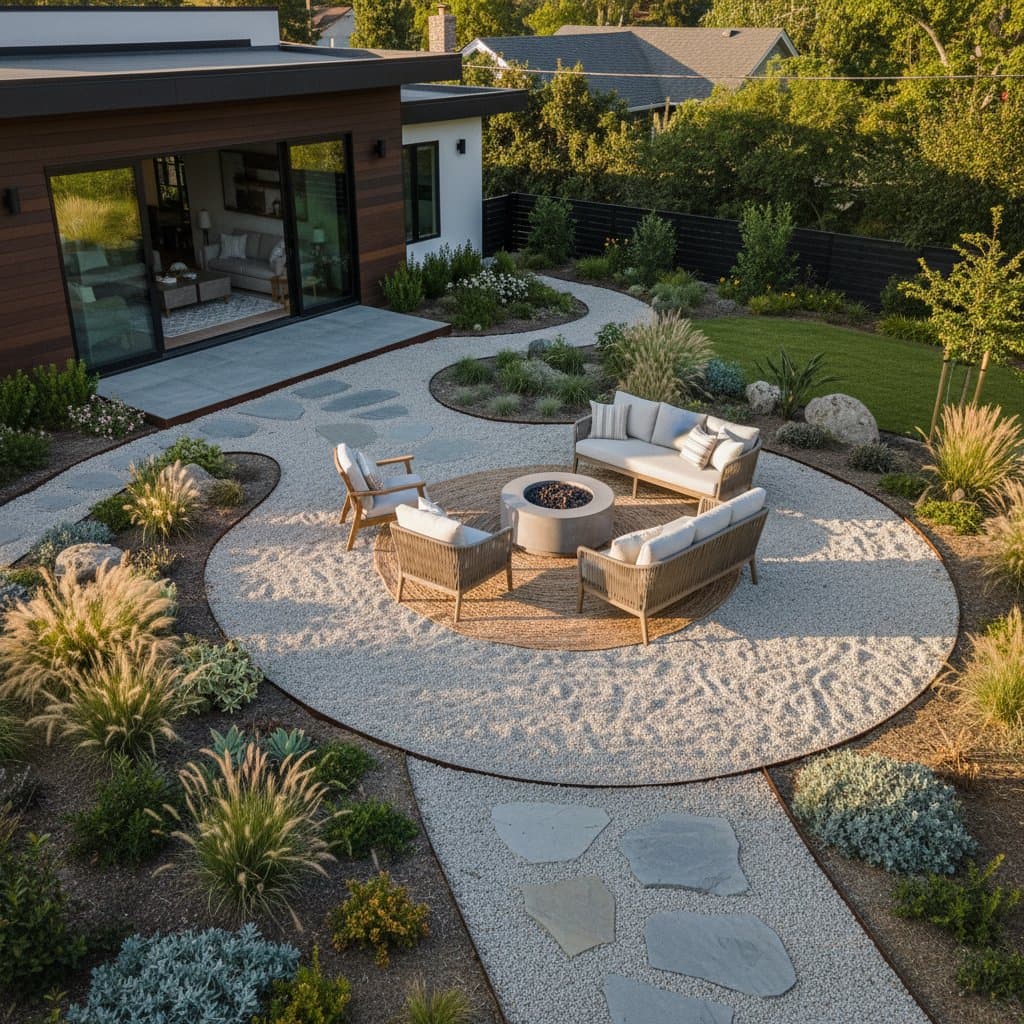
Gravel Patios: A Cost-Effective Alternative to Concrete in 2026
Homeowners often face sticker shock when estimating the expense of a concrete patio. Materials alone account for a significant portion, and labor for pouring, forming, and finishing adds substantial costs. A gravel patio presents a practical substitute that delivers style and functionality at roughly half the price, adapting well to contemporary or rustic landscapes.
In California, where high temperatures and dry conditions prevail, residents seek surfaces that endure without cracking and harmonize with water-efficient gardens. Gravel meets these demands through its adaptability, low expense, and minimal environmental impact. Pair it with permeable bases to facilitate water infiltration and support local ecosystems.
This guide outlines the steps to construct a gravel patio that combines refinement, ease of use, and long-term sustainability.
Choosing the Appropriate Gravel Type
Gravel varieties differ in size, shape, and performance, so selection hinges on usage, regional weather, and aesthetic goals.
Recommended types include:
-
Pea Gravel
Rounded stones about the size of peas provide a smooth surface for bare feet. This type suits relaxed areas near pools or seating, evoking a coastal vibe. Install edging to contain shifting under heavy items like chairs. -
Crushed Granite or Decomposed Granite
These materials compact firmly for a solid feel underfoot. They integrate seamlessly with low-water plants and sleek designs. Apply a stabilizer to enhance durability while preserving drainage. -
River Rock or Polished Pebbles
Smooth, larger stones offer a polished look ideal for borders or accents. Reserve them for edges rather than primary walking surfaces to avoid instability. -
Crushed Stone
Sharp-edged pieces interlock effectively, creating a stable foundation for dining setups. This choice prevents wobbling tables and chairs on uneven terrain.
For optimal results, layer fine crushed stone as a base, then top with pea gravel. The sublayer resists settling, and the surface layer ensures comfort.
Creating an Inviting and Functional Design
Gravel patios allow customization to match formal or informal preferences. Focus on balancing textures, hues, and layouts for both beauty and usability.
Strategies for enhanced appeal and practicality:
- Incorporate mixed elements. Embed pavers or flagstone beneath key spots like grills or tables to anchor furniture and introduce pattern.
- Incorporate plants. Surround with drought-resistant options such as lavender or rosemary to define boundaries and infuse scent.
- Establish distinct areas. Employ larger rocks or shallow planters to delineate lounging from dining zones, maintaining an open layout.
- Install layered illumination. Position solar stakes along paths, hang string lights overhead, or place lanterns to highlight gravel textures after dark.
- Select stable furnishings. Opt for items with broad feet or protective pads, such as wicker or teak, to distribute weight evenly.
Opt for light gravel shades to deflect sunlight and reduce heat buildup. Darker varieties provide contrast against light walls or decks. In California-inspired settings, neutral tans or grays evoke enduring warmth.
Advantages for Sustainability and Savings
Gravel patios promote eco-conscious practices by minimizing runoff and avoiding chemical sealers. Sourced nearby, these materials lower transportation emissions and aid groundwater replenishment during storms.
Financially, gravel yields high value through quick installation and reduced labor needs. Complete the project over a weekend using shovels, rakes, and a tamper, bypassing the delays of concrete curing.
Allocate saved funds to upgrades like durable seating, custom planters, or shade structures. This shifts emphasis from mere surfacing to a comprehensive outdoor haven.
Seamlessly Blending with Your Landscape
Treat the gravel patio as an extension of the garden rather than a standalone feature. Coordinate it with surrounding flora, routes, and architecture for cohesive appeal.
Tips for harmonious integration:
- Align colors with surroundings. Pair gray gravel with metal accents or slate paths, and warm tones with clay pots or adobe walls.
- Extend to adjacent areas. Match gravel in walkways or borders to unify the yard.
- Optimize sightlines. Arrange seating to frame views of foliage, sculptures, or distant features.
- Introduce elevated beds. These delineate perimeters and add vertical interest in compact yards.
- Plant water-efficient species. Succulents, salvia, and native grasses flourish alongside gravel with minimal irrigation.
Such integration fosters a deliberate, flowing environment that enhances the property's overall character.
Adapting and Maintaining Over Time
A gravel patio offers versatility for ongoing adjustments. Rearrange elements seasonally or expand sections without major disruption.
Regular upkeep involves raking to even the surface and replenishing gravel as needed. This low-effort routine preserves appearance and functionality for years.