
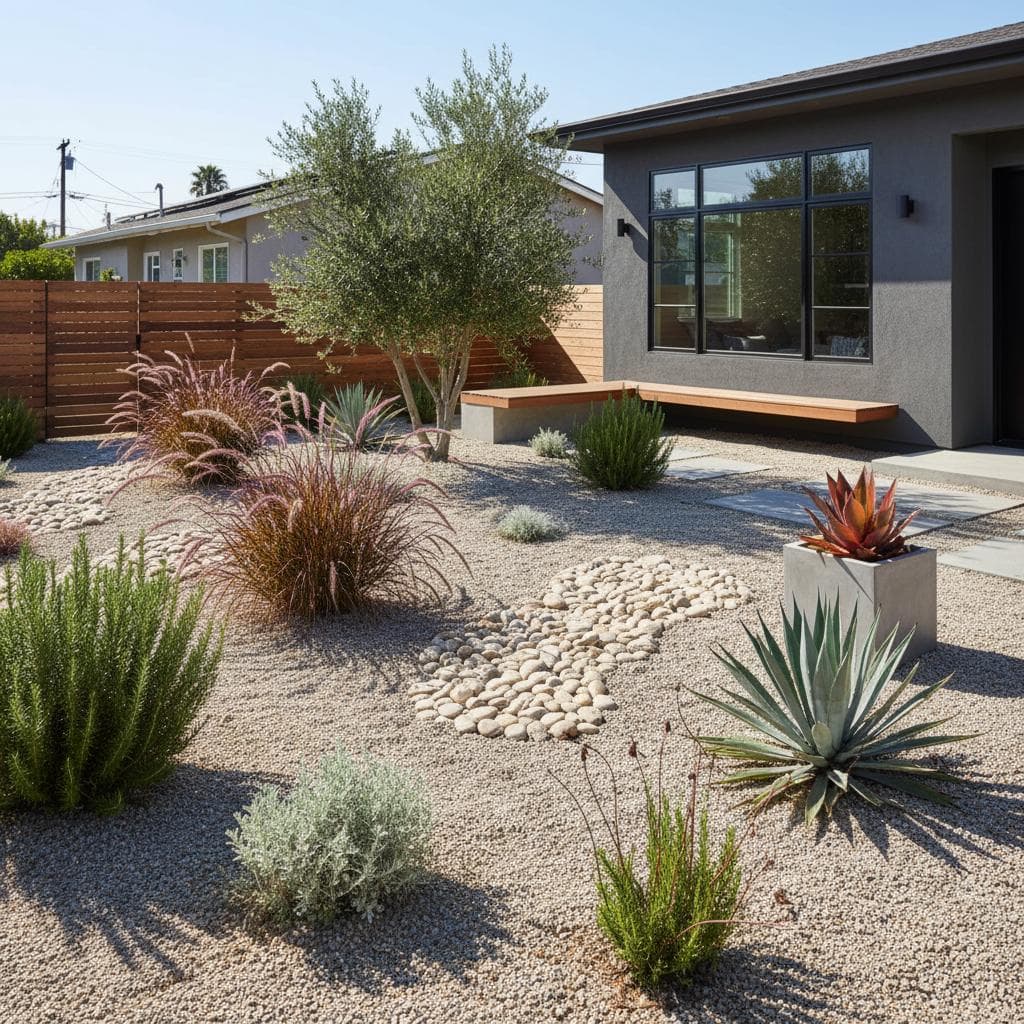
Gravel Lawns: Replace Turf with Low-Effort Landscape Savings
A vibrant green lawn enhances any property, yet it often requires substantial resources to maintain. Watering schedules, weekly mowing, seasonal fertilizing, and periodic reseeding consume time and money. Homeowners seeking aesthetic appeal without ongoing demands find gravel lawns an intelligent and attractive option. These landscapes conserve water, demand minimal upkeep, and align seamlessly with the arid conditions and casual outdoor ethos prevalent in California.
Reasons Homeowners Select Gravel Landscapes
Gravel lawns excel in areas characterized by extended dry periods. They preserve moisture, suppress weed growth, and maintain visual appeal throughout the seasons with little intervention. Numerous homeowners discover the surprising comfort and allure of gravel surfaces when combined with appropriate vegetation and structural elements. Rather than battling to sustain verdant grass, a gravel-based yard flourishes organically, requiring far less labor.
The attraction extends past functionality. Gravel surfaces reflect sunlight effectively, delineate living zones, and integrate harmoniously with patios and walkways. They complement contemporary, Mediterranean, or rustic aesthetics, offering flexibility for diverse residential styles.
Steps to Design an Effective Gravel Lawn
Effective gravel lawns start with meticulous preparation. Unlike living turf, gravel provides a fixed ground cover, so proper site grading and drainage establish the base. Ensure the terrain slopes gently, at least one percent, to direct runoff away from the foundation and avoid water accumulation. After achieving the correct elevation, install a four-to-six-inch layer of compacted crushed rock as the sub-base for durability and to minimize settling over time.
Gravel selection follows foundation work. Opt for pea gravel, with its one-quarter-inch rounded stones, in relaxed lounging spots for a soft, walkable feel. Decomposed granite, which binds into a stable surface upon compaction, suits high-traffic paths or driveways. For organic texture, choose blended aggregates in earth tones like beige, gray, or rust to introduce variation and visual interest. Match the gravel size and hue to the space's purpose and the surrounding architecture and foliage.
Design Techniques to Enhance Appeal
Gravel lawns avoid monotony through deliberate layering and focal points. Integrate these elements for dynamic results:
- Flagstone or concrete paver edging to outline boundaries and contain gravel migration
- Drought-resistant perennials such as lavender for fragrance, yarrow for blooms, or blue fescue for feathery accents
- Large boulders or artistic rock formations to provide focal points and stability
- Targeted drip irrigation systems to hydrate feature plants without overwatering the gravel
- Seating arrangements or fire pits to convert the area into an inviting gathering spot
Such additions create a purposeful, unified environment rather than a stark expanse.
Financial and Upkeep Advantages
Gravel lawns deliver significant long-term economies. Post-installation, they demand negligible irrigation, potentially slashing water bills by 50 to 75 percent in dry climates. This approach also eliminates expenses for sprinkler maintenance or expansions. Upkeep involves periodic raking to level the surface and manual removal of infrequent weeds. Replenish the top two-inch layer every three to five years to refresh appearance and depth.
Upfront expenses depend on excavation and material choices, typically ranging from $5 to $15 per square foot, but gravel outperforms sod in cost recovery within two to three years. Eliminating mowers, fertilizers, and hoses frees up storage and reduces exposure to pesticides. For those pursuing environmentally sound and hassle-free exteriors, these efficiencies accumulate rapidly.
Ensuring Comfort in a Gravel Landscape
Concerns about heat retention or firmness in gravel yards arise for some residents, particularly regarding pets and play areas. Address these through informed choices. Select pale gravel varieties, such as white quartz or light granite, to deflect solar heat more effectively than darker options. Incorporate shaded retreats with pergolas or tree canopies to moderate temperatures during peak sun.
For animal and child safety, prioritize smooth, small-pebble gravels that cushion steps without sharpness. Blend in flat stone patios or decomposed granite trails to distribute weight and add ergonomic variety across the yard.
Realize the Benefits of Your Gravel Yard
An established gravel lawn conveys enduring sophistication with simplicity. It nurtures indigenous and water-wise species, yielding a setting attuned to regional weather patterns. The yard evolves into a serene retreat that balances polish with usability. Invest initial effort in planning and sourcing to exchange routine tasks for relaxed gatherings, diminished responsibilities, and a landscape that sustains itself effortlessly.