
Understanding HOA Rules for Edible Landscapes
Homeowners associations often enforce strict guidelines on yard aesthetics to maintain neighborhood standards. These rules typically prioritize manicured lawns and ornamental plantings over functional gardens. However, many HOAs permit edible landscapes if they mimic traditional ornamental designs, allowing homeowners to grow food while preserving curb appeal.
This approach requires careful planning to balance productivity with visual harmony. By selecting plants that serve dual purposes and structuring layouts symmetrically, gardeners can create spaces that comply with regulations and enhance property value. The key lies in integrating edibles seamlessly into ornamental frameworks.
Selecting Dual-Purpose Plants
Choose plants that offer both beauty and harvest to avoid scrutiny from HOA boards. For example, berry bushes such as blueberries provide lush foliage and colorful fruits that resemble decorative shrubs. Their compact growth and vibrant autumn colors fit neatly into foundation plantings.
Herbs like lavender and rosemary add fragrance and texture while yielding culinary ingredients. These perennials form tidy mounds that echo the look of flowering perennials in formal gardens. Vegetables such as kale and Swiss chard, with their ruffled leaves in shades of green and purple, double as striking border plants.
Fruit trees on dwarf rootstocks, including apples and figs, deliver shade and blooms akin to ornamental varieties. Position them as focal points in lawns to draw attention to their elegant forms rather than their produce. Always verify plant maturity sizes against HOA height restrictions to ensure long-term compliance.
Recommended Plant Combinations
- Front Yard Borders: Mix compact tomatoes with marigolds for pest control and vivid color contrasts.
- Side Yard Accents: Pair espaliered pears against fences for a trained, artistic effect.
- Backyard Beds: Layer strawberries under rose bushes to create a lush, understory appearance.
These pairings maintain a polished look while maximizing yields. Consult local climate zones for varieties that thrive without excessive support structures.
Designing Symmetrical Layouts
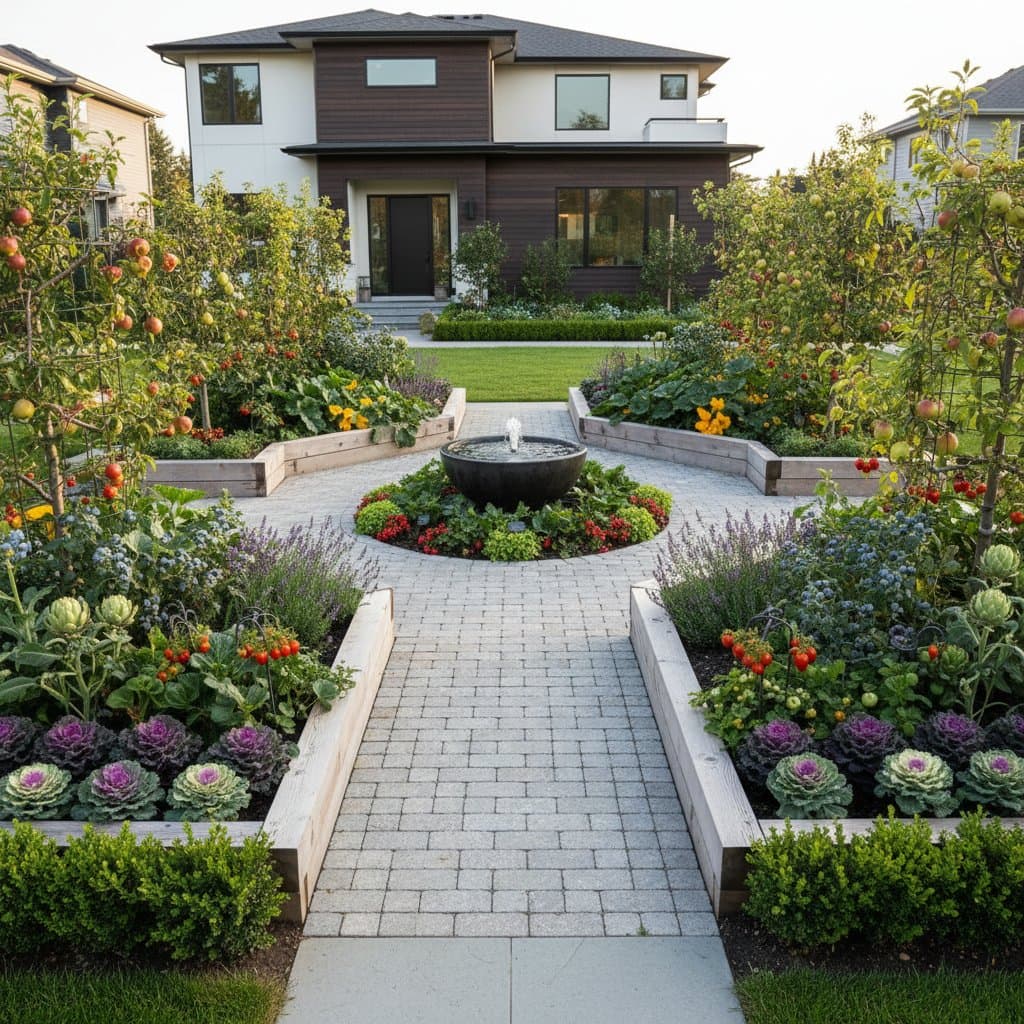
Symmetry forms the foundation of HOA-approved designs, creating a sense of order and intentionality. Divide garden spaces into mirrored sections using straight pathways or geometric beds. This structure prevents the chaotic appearance often associated with vegetable patches.
Incorporate raised beds framed with low hedges to define areas cleanly. Materials like cedar or stone align with ornamental standards and elevate edibles above ground level for better drainage. Pathways paved with gravel or bricks guide the eye and provide access without compacting soil.
Layer plantings by height to add depth: tall edibles in the rear, medium herbs in the middle, and low-growing fruits at the edges. This technique mimics layered perennial borders, ensuring the garden reads as decorative from the street. Adjust spacing to allow air circulation, which reduces disease and supports healthy growth.
Enhancing Curb Appeal with Details
Curb appeal hinges on subtle enhancements that elevate the overall impression. Install tidy edging around beds to contain growth and define boundaries sharply. Mulch with fine bark or pea gravel in neutral tones to suppress weeds and create a uniform base.
Lighting plays a crucial role in evening presentations. Use solar-powered path lights or low-voltage uplights to highlight plant forms without overwhelming the space. These fixtures accentuate symmetry and add a welcoming glow that complies with light pollution rules.
Seasonal interest sustains appeal throughout the year. Select evergreens like bay laurel for winter structure alongside spring bloomers such as nasturtiums, which produce edible flowers. Rotate annuals in containers to refresh displays, keeping the landscape dynamic yet controlled.
Practical Implementation Steps
- Review HOA covenants for permitted plant types and structure limits.
- Sketch a scaled layout emphasizing balance and proportion.
- Source plants from reputable nurseries that offer HOA-friendly varieties.
- Install hardscape elements before planting to establish the framework.
- Monitor growth quarterly and prune to maintain ornamental shapes.
Following these steps ensures a seamless integration of function and form.
Maintenance Strategies for Compliance
Regular upkeep prevents overgrowth and maintains the ornamental facade. Prune fruiting plants to encourage bushy habits rather than leggy stems. Harvest produce promptly to avoid unkempt appearances, and compost waste discreetly to keep areas clean.
Water efficiently with drip systems hidden beneath mulch to conserve resources and minimize visible hoses. Fertilize sparingly with organic options that promote steady, compact development. Document your garden's evolution with photos to demonstrate compliance during HOA inspections.
Engage neighbors early by sharing harvests, which builds support for your design. If challenges arise, propose amendments to HOA rules based on successful examples from similar communities. This proactive stance reinforces the garden's role in enhancing community aesthetics.
Realizing the Rewards of Elegant Edibles
An HOA-friendly edible garden delivers fresh produce without sacrificing style. Homeowners enjoy reduced grocery bills and healthier meals from homegrown bounty. The design fosters biodiversity, attracting pollinators that benefit surrounding landscapes.
Beyond practicality, these gardens boost property desirability in regulated neighborhoods. They demonstrate innovative stewardship that aligns with modern sustainability trends. Ultimately, such spaces create personal sanctuaries that harmonize with communal standards, yielding satisfaction season after season.