
Unlock Edible Front Yards: HOAs Now Allow Vegetables
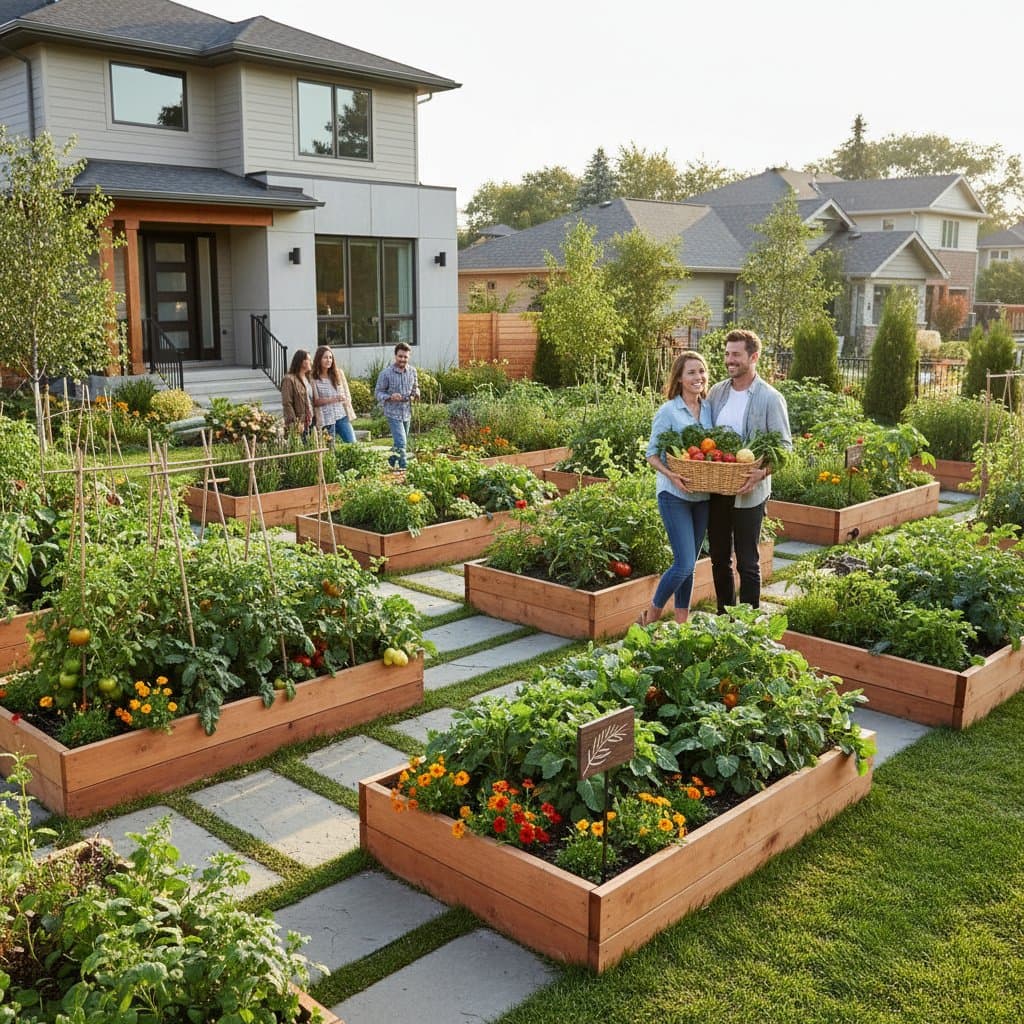
When Nora and Michael Lewis bought their suburban home, they dreamed of growing their own produce right outside the front door. For years, homeowners association rules limited what they could plant, keeping front yards ornamental and uniform. That changed when their HOA updated its landscape regulations, allowing vegetable gardens that meet design standards for beauty and maintenance. The Lewises took the opportunity to reimagine their entry garden as a space that feeds both the eye and the table.
From Restriction to Redesign
The Lewises’ neighborhood once prohibited vegetable beds in front yards, citing concerns about uniformity and upkeep. After several residents petitioned for change, the HOA board adopted new rules that allow edible planting, as long as designs follow certain standards for structure and care. The shift encouraged homeowners to treat food gardens as intentional parts of the landscape, not as utilitarian patches.
“We wanted the garden to look planned, not improvised,” said Nora. “Our goal was to make it feel like an extension of the house, not a separate farm.”
GreenPath Landscape Design created a plan that balanced order with abundance. The front yard now includes raised stone planters, dwarf fruit trees, and a border of herbs that doubles as a fragrant edging. Every element serves an aesthetic and practical purpose.
Design Choices That Blend Form and Function
Each planting decision supports both appearance and performance. The team selected varieties for scale, foliage texture, and yield. The front beds include kale, Swiss chard, and red leaf lettuce, which add color contrast even outside harvest season. Strawberries spill over stone edges, softening the hard lines and producing fruit for months.
A drip irrigation system runs beneath mulch to keep the garden looking clean. The mulch itself is a mix of shredded bark and cocoa hulls, chosen for color consistency with the stone walls. Integrated lighting highlights the terraces at night, creating a subtle glow that draws the eye to the layered planting.
To maintain a tidy look, the designers avoided large trellises or cages. Instead, they used discreet metal supports for tomatoes and beans, painted to match the trim of the house. “The idea was to make everything feel intentional,” said Ortiz. “Even the vegetable supports look like part of the architecture.”
Materials and Finishes
Every material choice contributes to the sense of permanence. The limestone walls tie visually to the home’s foundation, while the cedar planters weather gracefully over time. The seating area uses concrete pavers with a fine aggregate finish, echoing the texture of the driveway but in a lighter tone.
Planting soil contains a blend of composted leaves, sand, and perlite for drainage. Irrigation tubing is concealed beneath the mulch layer, with emitters adjusted for each plant type. Low-voltage lighting fixtures from FX Luminaire cast warm light upward through the fruit trees, creating dimension without glare.
Painted metal edging defines the transitions between gravel, mulch, and planting zones. This keeps the layout crisp and makes maintenance simpler for the homeowners. “We wanted every edge to feel finished,” said Ortiz. “That’s what helps an edible garden meet HOA expectations.”
Living with the Design
The new front yard has changed how the Lewises use their home. They spend mornings clipping herbs for breakfast and evenings chatting with neighbors who stop to ask about the plants. The garden draws people in, turning what was once a private facade into a shared experience.
Maintenance is straightforward. Nora trims herbs weekly, and Michael refreshes mulch twice a season. The irrigation timer keeps watering consistent, ensuring steady growth. Because the design integrates perennials with annual crops, the yard never looks bare, even after harvest cycles.
The couple keeps a rotation plan to manage production without overwhelming the space. Leafy greens occupy early spring beds, followed by tomatoes and peppers in summer. Root vegetables fill gaps in fall. The consistent rhythm keeps the garden productive and visually balanced.
Living with Your Design
As more HOAs relax restrictions on edible landscaping, homeowners can combine productivity with design quality. The key is thoughtful planning, clear communication, and consistent care. Treat the front yard as both a garden and a composition, with attention to structure, proportion, and texture.