
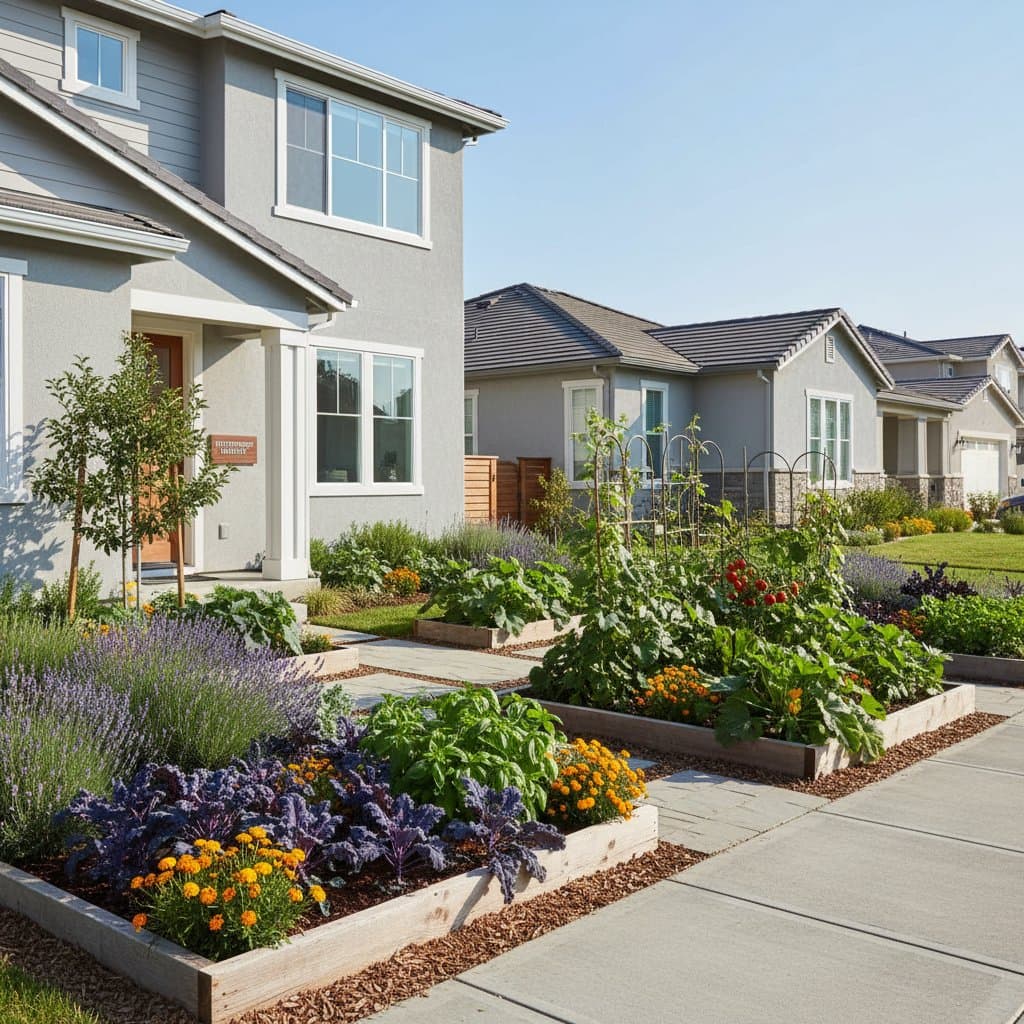
HOAs Embrace Edible Front Yard Gardens
Homeowners previously encountered resistance from associations when suggesting tomatoes near the mailbox or basil along the walkway. These organizations emphasized uniform appearances and considered edible plantings potential eyesores. In contemporary settings, particularly in California and similar regions, HOAs recognize the advantages of integrated edible landscapes. These designs combine visual elegance with environmental benefits and self-sufficiency, which align with growing priorities for sustainability and local food production.
Factors Driving the Shift
Several influences contribute to this change in perspective. Water scarcity encourages the replacement of water-intensive lawns with drought-tolerant edible plants. Escalating food prices motivate individuals to grow their own provisions. Modern design methods elevate functional plots into sophisticated elements that compete with conventional ornamental gardens.
HOAs now appreciate how these gardens increase property values. A well-organized vegetable patch, bordered with precise lines and maintained consistently, matches the refinement of traditional shrubbery. Achieving success requires careful attention to both functionality and appearance from the initial planning stage.
Strategies for Gaining HOA Approval
In communities with strict regulations, a persuasive design proposal becomes crucial. Emphasize layouts that demonstrate dedication to maintenance and integration with the surrounding environment. Provide clear visuals and logical explanations to help boards envision the beneficial outcomes.
Key design tactics include:
-
Define clear boundaries. Use raised beds, gravel borders, or neatly trimmed boxwood hedges to outline the plantings. These features indicate intentional design and prevent uncontrolled growth, presenting the garden as a deliberate landscape element.
-
Integrate edibles with ornamentals. Choose herbs like lavender or chives that offer texture throughout the year. Pair them with perennials such as echinacea or ornamental grasses to maintain visual interest across seasons.
-
Select appropriate proportions. In smaller areas, plant bushy tomato varieties or compact pepper plants. Position vertical climbers, such as pole beans, toward the rear to maintain overall balance in the front yard.
-
Develop intentional color schemes. Include variegated lettuces, golden oregano, or berry shrubs to add subtle color. Such selections provide enhancement without conflicting with the neutral tones common in neighborhoods.
Accompany the proposal with a hand-drawn diagram that labels plant species and includes a maintenance schedule. This level of preparation shows proactive planning and facilitates smoother approval.
Addressing Typical HOA Objections
HOA boards frequently raise concerns about messiness, pests, or visual inconsistency. Specific countermeasures can address these issues effectively.
-
Objection: Potential for disorder.
Resolution: Implement weekly pruning, apply mulch in autumn, and perform spring cleanups. Use organic mulch in beds to suppress weeds and promote tidiness. -
Objection: Attraction of pests or wildlife.
Resolution: Harvest produce immediately to prevent rot. Install row covers over susceptible plants and use companion planting to repel insects through natural means. -
Objection: Disruption of visual unity.
Resolution: Align decorative elements with local architecture, for instance, by incorporating wrought-iron trellises that mirror existing gate styles. This approach strengthens the community's overall character.
Initiating open discussions often leads to positive outcomes. Many HOAs revise their policies to support low-water, productive landscapes that support broader environmental objectives.
Real-World Examples from California
California communities provide compelling cases of successful implementations. In one suburban neighborhood, a resident replaced turf with aligned redwood-framed beds filled with lettuces and dill. The structured arrangement garnered praise and encouraged similar projects among neighbors.
On sloped properties, terraced stone retaining walls accommodate carrots next to sedums, improving drainage while enhancing vistas. These examples illustrate that productivity can amplify aesthetic value when approached with meticulous execution.
Collaborating with Landscape Experts
Consult professionals experienced in HOA requirements to streamline the approval process. These experts produce compliant visualizations, incorporate board feedback, and suggest appropriate plant varieties. Their knowledge of water-efficient systems ensures the garden serves both practical and decorative purposes.
Evaluate potential collaborators by examining portfolios of comparable installations and speaking with previous HOA clients. Familiarity with regional conditions aids in anticipating challenges and customizing designs to specific sites.
Benefits for Sustainability and Property Value
Edible front yard gardens provide fresh yields while advancing conservation efforts. Drip irrigation systems reduce water consumption by up to 50 percent compared to traditional lawns. Incorporating native plants supports pollinators like bees and decreases the need for chemical fertilizers.
Over time, these gardens lower costs associated with grocery purchases and landscape maintenance. Choose durable materials such as composite borders or recycled pavers for longevity. Rotate crops each year to preserve soil vitality and keep the appearance vibrant.
Fostering Neighborhood Connections
As adoption grows, these gardens encourage social interactions. Neighbors exchange excess produce like squash or organize group sessions for pruning techniques. Such activities cultivate relationships and a sense of shared responsibility.
Certain HOAs establish community gardens at entrance points, functioning as learning centers. These shared spaces motivate individual projects and highlight mutual benefits.
Steps to Create Your Own Garden
Begin by examining your community's covenants to understand permitted features. Develop a detailed blueprint that prioritizes lasting beauty and productivity. Gather input from fellow residents to build support prior to submitting a formal application.
Obtain resilient, regionally suited seeds or starts from trusted nurseries. Set up soaker hoses at the outset for targeted watering. Document growth with photographs to inform adjustments in subsequent seasons.
Edible front yard gardens represent a forward-thinking balance. They offer nutritional rewards, improved exteriors, and strengthened community ties, demonstrating that thoughtful evolution enriches neighborhood identity.