
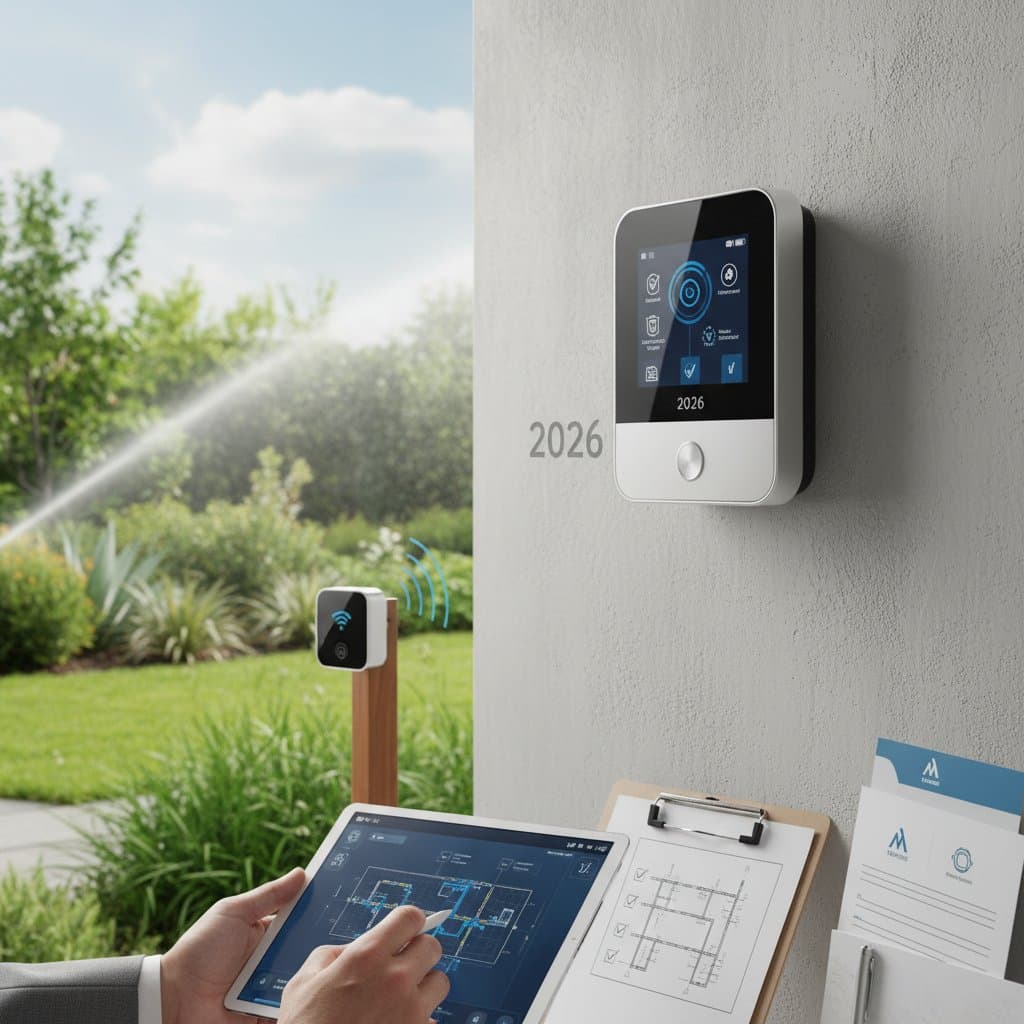
Prepare for Compliance: 2026 Rain Sensor Mandates Checklist
Effective irrigation systems sustain vibrant landscapes and preserve water resources. Mandates set for 2026 demand rain sensor integration on residential and commercial properties to curb unnecessary watering. These compact devices detect rainfall and interrupt sprinkler operation, fostering intelligent hydration practices that minimize waste and support environmental goals.
Preparation today avoids expensive modifications tomorrow. Property managers and homeowners benefit from proactive steps that align with tightening municipal codes. The following checklist guides users through assessment, selection, implementation, and ongoing management.
At a Glance
Applicability: Enforced in regions with updated irrigation ordinances, including urban and suburban areas.
Scope: Covers all scales, from residential yards to expansive commercial grounds.
Regional Focus: Prioritizes zones with frequent precipitation, though universal adoption encourages broader efficiency.
Primary Objective: Secure regulatory adherence while optimizing water use and system performance.
1. Audit Existing Irrigation Systems
Begin by evaluating current setups to identify compliance gaps. Inspect controllers, valves, and sprinkler heads for sensor compatibility. Document zones prone to overwatering during rain events.
Professionals recommend mapping the entire system layout. Note wiring configurations and exposure to weather elements. This baseline assessment reveals retrofit needs and potential efficiency gains.
Actionable Step: Schedule a site walk-through within the next month. Use a simple diagram to mark sensor placement opportunities. Address any outdated components, such as non-responsive timers, to prepare for integration.
2. Choose the Right Sensor Technology
Sensors differ in design and capabilities, including wired, wireless, and smart variants linked via Wi-Fi or Bluetooth. Selection hinges on property size, existing infrastructure, and desired automation level.
Wired models excel in compact residential applications with minimal cable distances. Wireless options idealize large-scale or disruptive retrofits by eliminating extensive wiring. Smart sensors leverage real-time weather forecasts for predictive adjustments.
A contractor observes: “Select a sensor that fits the environment, not just the budget. The right match keeps the system accurate year-round.”
Key Benefit: Accurate detection halts irrigation during precipitation and resumes when conditions dry, preventing resource loss.
Integration Tip: Align sensor choice with controller specifications to avoid compatibility issues. Adapters may bridge older systems.
Practical Example: The Hunter Mini-Clik pairs effectively with matching controllers, delivering dependable rain detection without frequent adjustments.
3. Understand Local Regulations and Incentives
Regulations vary by jurisdiction, specifying sensor types, installation standards, and verification processes. Review municipal codes or consult local water authorities for precise requirements.
Many areas offer rebates for compliant upgrades, offsetting costs. Factor in inspection protocols and deadlines to align timelines.
Actionable Step: Contact your regional environmental agency for code summaries. Compile a folder of applicable rules and incentive programs to guide decisions.
4. Plan Professional Installation
Homeowners may handle simple setups, but experts guarantee precision and evidentiary records for inspections. Certified installers assess site conditions and execute placements.
Position sensors in unobstructed locations to receive accurate precipitation data. Technicians calibrate sensitivity levels and test interconnections.
Key Benefit: Verified setups confirm operational integrity, from wiring to controller signaling.
Placement Guidance: Mount away from eaves, foliage, or spray zones for unfiltered readings.
Practical Example: The Rain Bird WR2 on an exposed fence post maintains reliable performance amid varied weather.
A designer notes: “A clean installation prioritizes data accuracy alongside visual harmony. The sensor integrates discreetly while operating without fault.”
5. Integrate with Smart Controllers
Pair sensors with advanced controllers for enhanced automation. These systems process sensor inputs alongside evapotranspiration data for optimized schedules.
Upgrade legacy controllers if necessary to support sensor signals. This synergy reduces manual interventions and adapts to microclimates.
Actionable Step: Evaluate controller firmware for updates. Test integration during dry periods to simulate full functionality.
Key Benefit: Comprehensive control minimizes water use by 20 to 30 percent in typical installations.
6. Schedule Routine Testing
Sensors demand periodic verification to counter environmental wear, such as debris accumulation or calibration drift.
Conduct tests seasonally by simulating rain and monitoring responses. Clean components and adjust thresholds based on local humidity patterns.
Key Benefit: Consistent testing upholds trigger reliability and post-rain reset functions.
Testing Protocol: Simulate precipitation on the sensor face and verify irrigation pause. Fine-tune for regional rainfall intensities.
Practical Example: In arid regions, pre-monsoon checks reactivate dormant units after extended dry spells.
A service expert advises: “Treat sensors like smoke detectors. A quick test each season prevents surprises.”
7. Maintain Comprehensive Documentation
Records prove compliance during audits and facilitate troubleshooting. Log installation dates, test results, and maintenance logs.
Digital tools or binders organize receipts, manuals, and certification stickers. Update files with any modifications.
Actionable Step: Create a dedicated compliance portfolio. Review and archive annually to track system evolution.
Key Benefit: Thorough records streamline inspections and support warranty claims.
8. Educate Users and Staff
Technology succeeds through user familiarity. Train residents, managers, or teams on sensor operations to avoid overrides.
Provide hands-on sessions covering testing, temporary bypasses, and indicator interpretations.
Key Benefit: Informed users sustain system efficacy and prevent misuse.
Training Approach: Deliver post-installation demos focused on daily interactions.
Practical Example: Workshops for community gardens instruct on signal lights before supplemental watering.
A designer emphasizes: “Education secures performance. People trust systems they understand.”
Sustain Efficiency Beyond Compliance
Adhering to 2026 mandates elevates irrigation beyond legal minimums. Updated systems conserve water, lower utility costs, and nurture resilient landscapes.
Early adopters navigate inspections effortlessly and realize long-term savings. Professionals who execute meticulously create installations that endure, blending functionality with aesthetic appeal. Compact rain sensors drive profound shifts toward sustainable outdoor environments.