
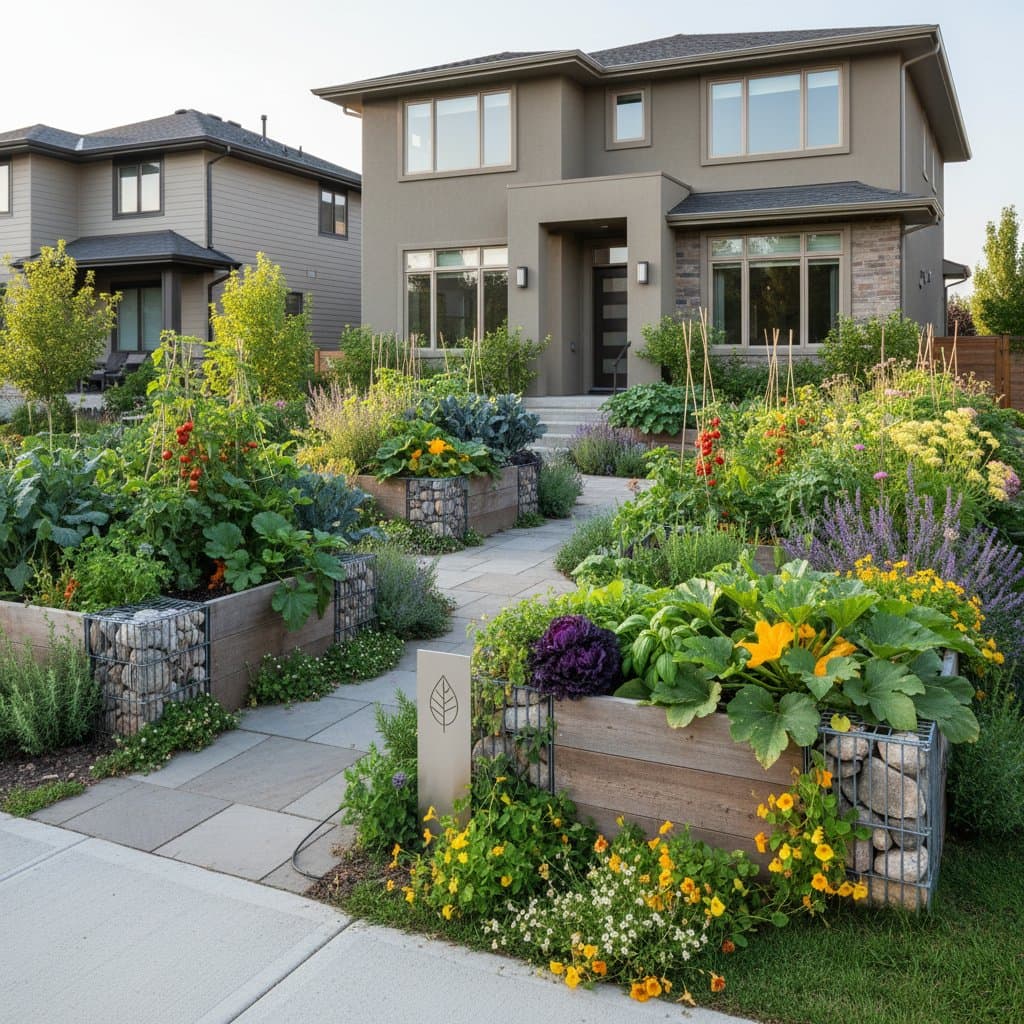
Edible Front Yards: HOAs Greenlight Vegetable Gardens
Front yards once limited to manicured lawns now host thriving vegetable gardens in many communities. Homeowners associations increasingly approve these edible landscapes when they align with neighborhood standards. This change allows residents to integrate food production into visible spaces while enhancing visual appeal and environmental benefits.
Homeowners previously concealed vegetable plots in backyards to avoid scrutiny. Today, intentional designs transform front yards into productive areas that satisfy both personal needs and community rules. These gardens demonstrate that sustainability and aesthetics can coexist effectively.
Redefining Curb Appeal Through Edible Design
Vegetable gardens in front yards gain acceptance when they exhibit polished features. Raised beds framed by natural stone create clean boundaries and elevate the overall look. Symmetrical arrangements of plants ensure the space feels organized and intentional.
Incorporate elements like rosemary as low hedges or artichokes for bold focal points. Rainbow chard varieties add vibrant color without disrupting harmony. Such choices prove that edible gardens can rival traditional flower beds in sophistication.
Communities in California lead this trend, where design-focused associations recognize the value in these landscapes. Property owners report higher curb appeal scores and increased interest from potential buyers. The approach highlights environmental stewardship alongside visual refinement.
Navigating HOA Regulations Effectively
Review your homeowners association documents before starting any project. Focus on sections covering landscaping, plant restrictions, and maintenance obligations. Many associations now permit edibles, provided they maintain neat appearances and respect privacy.
Prepare a detailed proposal including site plans, plant selections, and expected upkeep routines. Schedule a meeting with the board to present visuals such as sketches or photos of similar installations. This preparation often secures approval by addressing concerns upfront.
Common requirements include limiting plant heights to preserve sightlines and using non-invasive species. Irrigation systems must comply with water conservation rules in arid areas. Adhering to these guidelines prevents disputes and streamlines the process.
Principles for Balanced Garden Layouts
Apply core design elements like repetition, contrast, and proportion to edible front yards. Position taller crops such as corn or sunflowers at the rear to frame the space. Place compact options like basil or radishes along walkways for easy access.
Structure enhances functionality and form. Defined beds prevent soil spread and maintain tidy edges. Integrating edibles with ornamental plants creates seamless transitions.
Actionable Design Strategies
- Establish clear boundaries with materials like brick or corten steel to contain plantings and define pathways.
- Combine edibles and ornamentals, such as basil alongside salvia, to boost color and deter pests naturally.
- Achieve balance by mirroring bed arrangements on both sides of entry points for a formal appearance.
- Introduce anchors like espaliered fruit trees or vertical trellises to draw the eye and add depth.
These steps ensure the garden meets aesthetic demands while supporting productivity.
Selecting Plants Suited to Local Conditions
California's diverse climates support a wide range of edible plants. Opt for drought-resistant perennials like rosemary, lavender, and figs that require minimal watering. These selections thrive in Mediterranean conditions and provide year-round interest.
In cooler coastal zones, prioritize greens such as spinach, broccoli, and fava beans. Hotter inland regions suit heat-tolerant choices like eggplant, melons, and citrus under partial shade. Group plants by water requirements to optimize irrigation.
Install drip systems to target roots efficiently and reduce waste. Mulch layers conserve soil moisture and improve plant health.
Recommended Plant Options
- Perennials: Rosemary, thyme, artichokes, chives, and oregano offer enduring structure and flavor.
- Annual Vegetables: Tomatoes, peppers, zucchini, kale, and carrots deliver seasonal harvests.
- Fruits: Strawberries, blueberries, lemons, and pomegranates add sweetness and visual variety.
Each option enhances texture and color, fitting seamlessly into residential designs.
Strategies for Efficient Water Use
Address water conservation to align with HOA priorities in water-scarce areas. Apply organic mulches to lock in moisture and minimize evaporation. Drip irrigation targets delivery, cutting usage by up to 50 percent compared to sprinklers.
Capture rainwater with barrels connected to downspouts for supplemental supply. Check local rebates for installing low-flow systems or permeable paving. Cluster high-water plants centrally and surround with tolerant species.
These practices not only sustain yields but also demonstrate responsible resource management to the community.
Sustaining Garden Health and Community Relations
Regular care keeps edible front yards attractive and productive. Prune overgrown foliage weekly and harvest ripe produce to avoid clutter. Replenish mulch seasonally to support soil quality.
Engage neighbors by distributing surplus items or hosting informal tours. Such interactions build support and may influence future association policies. A vibrant garden often sparks positive dialogue about shared green initiatives.
Benefits of Professional Guidance
Consult landscape architects experienced in HOA-compliant projects for optimal results. They develop plans that balance innovation with rules, including detailed irrigation schematics. Professionals select durable materials like raised beds from recycled composites.
Invest in long-lasting components to lower ongoing costs. Quality setups convey commitment, easing approval and enhancing longevity.
Evolving and Enjoying Your Landscape
Established gardens integrate into routines, offering fresh ingredients and serene views. Adjust plantings based on performance, introducing companions like nasturtiums for natural pest management. Add subtle enhancements such as gravel paths or bird feeders to enrich the space.
Harvesting the Full Potential
HOA approvals for edible front yards signal evolving community values toward sustainability. Thoughtful execution yields spaces that nourish residents and beautify neighborhoods. These landscapes foster resilience, connection, and enduring satisfaction.